

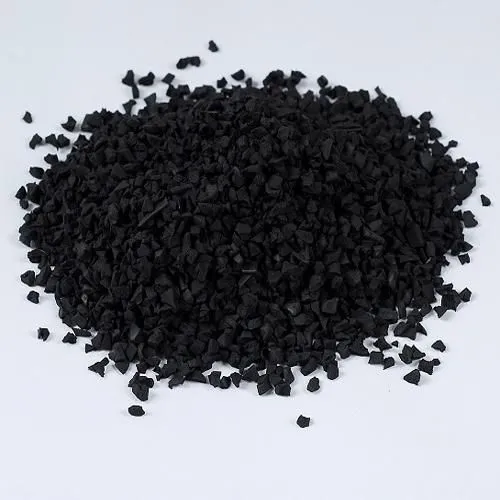
SBR Price Trend Q3 2026 | Global Price Trends, Forecast, Chart, Prices and Index Analysis

The SBR Price Trend in the third quarter of 2026 has shown considerable changes in the global rubber market. Styrene Butadiene Rubber (SBR) prices initially moved downward during the early and middle parts of the quarter before experiencing a strong recovery toward September.
This changing market situation was mainly influenced by geopolitical developments, crude oil movements, raw material costs, shipping conditions, and changes in regional supply availability. The market initially benefited from improving logistics and more stable petrochemical supplies.
However, renewed tensions in the Middle East created fresh uncertainty and pushed energy and transportation costs higher.
Please Submit Your Query For SBR Price Trend, Market Analysis and Forecast: https://www.price-watch.ai/book-a-demo/
SBR is an important synthetic rubber used in several industries, particularly tyre manufacturing, automotive components, footwear, industrial products, and rubber-based consumer goods. Because of its wide industrial use, changes in SBR prices can influence the purchasing decisions of manufacturers and distributors. Buyers generally monitor raw material availability, production costs, and international shipping expenses before making procurement decisions.
During Q3 2026, the global SBR market experienced two different pricing phases. The first phase was marked by declining prices as supply conditions improved and feedstock costs softened. The second phase began toward the end of the quarter when geopolitical tensions increased again, creating higher energy costs and logistical difficulties. These developments resulted in a noticeable price recovery across important markets, including Japan and the United States.
Global SBR Market Overview During Q3 2026
The global SBR market experienced a changing business environment throughout Q3 2026. At the beginning of the quarter, market participants were expecting better supply conditions following the easing of earlier geopolitical tensions. International shipping activities gradually improved, and the movement of important petrochemical raw materials became more predictable.
This improvement helped reduce some of the cost pressure experienced by manufacturers in previous months. With crude oil prices becoming softer, the overall production expenses for several petrochemical products also started to ease. As a result, SBR manufacturers faced lower feedstock-related costs, which encouraged a downward adjustment in selling prices.
The availability of styrene and butadiene played an important role in this movement. Both materials are essential components in SBR production, and their prices directly influence manufacturing economics. When these feedstocks become more affordable and easier to source, producers generally receive some relief in their production costs.
However, the market environment changed toward September. Renewed geopolitical tensions in the Middle East created concerns about international energy supplies and trade movements. Crude oil benchmarks increased sharply, and this development quickly affected the cost structure of the petrochemical industry.
Higher energy prices increased the expenses associated with feedstock procurement, manufacturing, and transportation. Consequently, SBR producers began facing renewed cost pressure, while buyers became more concerned about future availability. This combination supported a recovery in SBR prices toward the end of the quarter.
SBR Prices: Key Factors Influencing Market Movements
The movement of SBR Prices during Q3 2026 was influenced by several connected factors. These included crude oil prices, feedstock availability, international logistics, geopolitical developments, and demand from downstream industries.
1. Crude Oil Price Movements
Crude oil is an important factor influencing the wider synthetic rubber industry. Changes in oil prices affect the cost of several petrochemical products and create changes in the overall production expenses of synthetic rubber manufacturers.
During the early part of Q3 2026, softer crude oil values helped reduce upstream cost pressure. This created a more comfortable production environment for manufacturers and contributed to the downward movement in SBR prices.
However, toward September, renewed geopolitical tensions pushed crude oil benchmarks higher. The increase in energy prices raised concerns about future petrochemical production costs. Producers became more cautious about their selling prices as replacement raw materials became more expensive.
This change in the energy market was one of the major reasons behind the late-quarter recovery in SBR prices.
2. Styrene and Butadiene Availability
Styrene and butadiene are two important raw materials used in the production of Styrene Butadiene Rubber. Their availability and pricing have a direct influence on the manufacturing cost of SBR.
During the early and middle parts of the quarter, improved supply chain conditions supported the availability of these feedstocks. More stable transportation arrangements helped manufacturers receive raw materials with fewer logistical difficulties.
This situation reduced the pressure on production costs and supported lower SBR valuations.
However, the situation became less predictable toward the end of September. Rising crude oil prices and renewed international supply concerns increased the possibility of higher feedstock expenses. Manufacturers had to consider these developments while planning their production and sales activities.
3. Geopolitical Tensions and Supply Chain Disruptions
Geopolitical developments remained one of the most important factors influencing the global SBR market during Q3 2026.
At the beginning of the quarter, easing tensions helped improve confidence among traders and manufacturers. Shipping routes became more stable, and international cargo movements gradually returned to a more normal pattern.
However, renewed tensions in the Middle East during the final part of the quarter changed the market outlook. Concerns about trade routes, energy supplies, and international transportation created fresh uncertainty.
For the synthetic rubber industry, such disruptions can increase both direct and indirect costs. Even when raw materials remain available, difficulties in transporting them can affect delivery schedules and raise the overall landed cost of imported products.
4. Shipping and Transportation Expenses
Transportation costs also played an important role in determining regional SBR prices.
During the early part of Q3, improved shipping conditions helped reduce some of the expenses associated with international cargo movements. This supported more competitive import prices in several markets.
However, toward September, international trade disruptions and alternative shipping route requirements increased transportation expenses.
The situation was particularly important for the US market, where imports of SBR from South Korea experienced higher freight costs. A shortage of shipping containers and limited vessel capacity created additional difficulties for importers.
These developments contributed to a sharp increase in the landed cost of imported SBR.
SBR Price Trend in Japan During Q3 2026
The Japanese SBR market experienced a clear change in pricing direction during the third quarter of 2026. Prices initially declined as supply conditions improved and upstream feedstock values became more stable.
During the early and middle parts of the quarter, Japanese SBR prices recorded a decrease of approximately 6%. The decline was mainly supported by normalized shipping activities, improved regional supply availability, and softer raw material costs.
With fewer supply-related concerns, buyers had less urgency to purchase additional material. Manufacturers and suppliers also faced comparatively lower production expenses, which encouraged downward price adjustments.
This situation created a relatively comfortable purchasing environment for downstream industries. Buyers could focus more on their regular procurement requirements instead of purchasing additional quantities to protect themselves against possible supply shortages.
However, the market experienced a significant change in September 2026. Renewed geopolitical friction in the Middle East pushed crude oil benchmarks higher and increased pressure on the petrochemical industry.
As energy and feedstock expenses increased, Japanese SBR suppliers began adjusting their selling prices. Concerns about tighter inventories also supported the recovery.
Consequently, SBR prices in Japan increased by approximately 11% during September. This rebound reversed much of the earlier downward movement and highlighted how quickly changes in international energy markets can influence domestic synthetic rubber prices.
SBR Price Trend in the USA During Q3 2026
The US SBR market also experienced considerable price fluctuations during Q3 2026, particularly for CIF imports originating from South Korea.
During the early and middle parts of the quarter, imported SBR prices in the United States declined by approximately 6%. Better regional supply availability and relatively stable initial transportation conditions helped reduce the pressure on import valuations.
Importers benefited from improved supply conditions, while lower upstream raw material costs supported a more favourable purchasing environment.
However, the situation changed significantly toward the end of the quarter. International trade disruptions, alternative shipping route diversions, and container shortages created additional challenges for trans-Pacific transportation.
The shortage of shipping containers became a major concern for importers. Buyers faced difficulties securing suitable container space, while limited vessel capacity increased competition for available shipments.
These challenges pushed freight surcharges and transportation expenses higher. As a result, the total landed cost of South Korean SBR in the United States increased.
In September 2026, CIF import prices of SBR from South Korea recorded a sharp recovery of approximately 14%. This increase reflected the combined impact of higher transportation expenses, restricted container availability, and rising international supply chain costs.
The US market therefore experienced a stronger late-quarter recovery than Japan, highlighting the importance of shipping conditions in determining imported synthetic rubber prices.
SBR Price Chart: Understanding the Q3 2026 Movement
The SBR Price Chart during Q3 2026 reflects a market that moved through two different pricing phases. The first phase was dominated by declining prices, while the second phase showed a strong recovery due to renewed cost pressures.
During July and August, the market generally remained under downward pressure. Better supply availability, stable shipping conditions, and lower feedstock expenses reduced the need for suppliers to maintain higher selling prices.
Japan and US imports from South Korea both recorded approximately 6% declines during the early and middle parts of the quarter.
However, September brought a different market situation. Higher crude oil prices and renewed geopolitical uncertainty increased production and transportation expenses. This resulted in a strong upward movement in regional prices.
Japan recorded an approximately 11% recovery, while US CIF imports from South Korea increased by around 14%.
These movements demonstrate that the SBR market remained highly sensitive to external developments. Even when supply conditions improve, unexpected changes in energy prices or international shipping can quickly reverse the direction of the market.
For manufacturers and buyers, following monthly price movements is important because quarterly averages may not fully reflect sudden changes in market conditions.
Downstream Demand and Industrial Consumption
Demand from downstream industries is another important factor influencing the SBR market. The material is widely used in tyre manufacturing, automotive products, footwear, conveyor belts, hoses, and several industrial rubber applications.
The tyre industry remains one of the major consumers of SBR. Changes in vehicle production, replacement tyre demand, and automotive manufacturing activities can influence overall consumption.
When industrial activity is strong, rubber manufacturers generally require regular supplies of SBR to maintain production schedules. This can support market demand and improve purchasing activity.
On the other hand, when manufacturers become cautious about future demand, they may reduce inventory levels and purchase only the quantities required for immediate production.
During Q3 2026, the changing SBR price environment made procurement planning particularly important. Early-quarter price declines provided opportunities for buyers to manage purchasing costs. However, the September recovery created fresh uncertainty about replacement costs and future supply expenses.
In such conditions, downstream manufacturers generally focus on balancing inventory requirements with changing market prices. Purchasing too early can increase inventory costs if prices decline further, while delaying purchases can become expensive when the market suddenly moves upward.
Global SBR Market Outlook and Price Forecast
Looking ahead, the SBR market is expected to remain closely connected to developments in the crude oil and petrochemical industries. The direction of styrene and butadiene prices will continue to influence manufacturing costs, while international logistics will remain important for import-dependent markets.
If geopolitical conditions become more stable, crude oil prices may experience some moderation. Improved shipping availability and smoother international trade movements could also reduce transportation expenses. Under such conditions, SBR prices may face some downward pressure, particularly in markets where supply availability improves.
However, continued geopolitical uncertainty could create the opposite situation. Higher crude oil prices, expensive feedstocks, and shipping disruptions may increase the cost of production and imported material.
The Japanese market will remain sensitive to regional feedstock prices and the availability of imported raw materials. Meanwhile, the US market will continue to be influenced by international freight expenses, particularly for material arriving from Asian suppliers.
Demand from tyre manufacturers and other rubber-consuming industries will also determine how strongly suppliers can pass higher costs on to buyers.
Therefore, the future SBR price direction will depend on the balance between raw material costs, supply availability, transportation expenses, and downstream purchasing activity.
Conclusion
The global SBR Price Trend during Q3 2026 demonstrated how quickly market conditions can change in response to geopolitical developments, energy prices, and international logistics. The quarter began with declining prices as supply chains improved, crude oil values softened, and important feedstocks became more readily available.
Japan and US CIF imports from South Korea both recorded approximately 6% price declines during the early and middle parts of the quarter. However, renewed geopolitical tensions and rising transportation expenses changed the market direction in September. Japanese SBR prices recovered by approximately 11%, while US CIF import prices from South Korea increased by around 14%.
The overall market experience highlights the importance of monitoring feedstock prices, crude oil movements, shipping availability, and downstream demand. For manufacturers, distributors, and buyers, understanding these factors can help improve purchasing decisions and reduce exposure to sudden market changes.
Going forward, the SBR market will remain dependent on global energy conditions, raw material availability, and international trade stability. Regular monitoring of the SBR Price Index, market developments, and regional pricing movements will be important for understanding future changes and planning procurement strategies.
Please Submit Your Query For SBR Price Trend, Market Analysis and Forecast: https://www.price-watch.ai/book-a-demo/
About Price Watch™
Price Watch™ is an India-based, independent raw material price reporting agency that provides real-time price forecasts and data-driven insights into global raw material markets. Price Watch™ specializes in tracking raw material prices, analyzing market trends, and delivering timely updates on plant shutdowns, supply disruptions, capacity expansions, and demand-supply dynamics. The Price Watch™ platform empowers manufacturers, traders, and procurement professionals to make faster, smarter decisions. Leveraging AI-powered forecasting and over a decade of historical data, Price Watch™ transforms market volatility into actionable opportunity.
Futura Tech Park,
C Block, 8th floor 334,
Old Mahabalipuram Road,
Sholinganallur, Chennai, Tamil Nadu, Pincode - 600119.
𝐋𝐢𝐧𝐤𝐞𝐝𝐈𝐧: https://www.linkedin.com/company/price-watch-ai/
𝐅𝐚𝐜𝐞𝐛𝐨𝐨𝐤: https://www.facebook.com/people//61568490385598/
𝐓𝐰𝐢𝐭𝐭𝐞𝐫: https://x.com/pricewatchai
𝐖𝐞𝐛𝐬𝐢𝐭𝐞: https://www.price-watch.ai/
