

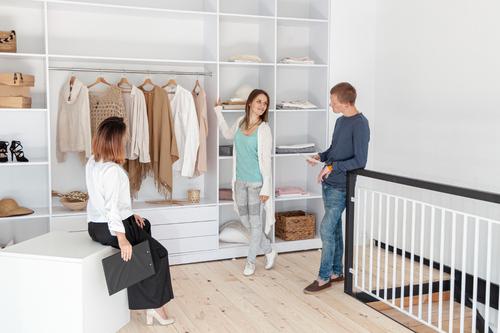

An organized closet can make mornings easier and reduce the frustration of searching for misplaced belongings. Yet standard storage arrangements rarely accommodate every household's clothing, accessories, and personal preferences.
Well-planned custom walk in closets provide dedicated spaces for different belongings while making efficient use of available room dimensions. A thoughtfully designed custom walk in closet can also create a more comfortable dressing environment.
The key is developing storage around personal habits instead of relying on a generic arrangement.
Begin With a Complete Wardrobe Assessment
Before designing a closet, examine everything that needs storage.
Clothing, shoes, seasonal items, bags, and accessories all require different arrangements.
Understanding the quantity and type of belongings helps determine which features deserve priority.
Separate Clothing by Storage Method
Some garments require hanging space, while others are better stored folded.
Long dresses and coats need different clearances than shirts and trousers.
Shoes may require adjustable shelves, while smaller accessories benefit from divided compartments.
Effective custom walk in closets accommodate these differences without wasting valuable space.
Design Storage Around Everyday Habits
A closet should support how its owner gets dressed and organizes belongings.
Items used every day should remain readily accessible.
Occasionally used belongings can occupy higher shelves or less prominent compartments.
Establish Convenient Storage Zones
Divide the closet into practical sections.
One area may contain everyday clothing, another formal outfits, and another footwear or accessories.
Within a custom walk in closet, this arrangement helps establish a natural organizational system.
Clear storage zones reduce unnecessary searching and make it easier to return belongings to their proper places.
Maximize Vertical Space
Many closets have unused space above hanging rails and shelves.
Taking advantage of vertical dimensions can significantly improve organization.
Upper shelves are useful for storing seasonal belongings and items that do not require daily access.
Combine Different Storage Heights
A single hanging rail is not always the most efficient arrangement.
Double hanging sections can accommodate shorter garments, while full-height areas provide space for longer clothing.
Adjustable shelving introduces additional flexibility.
Thoughtful custom walk in closets balance these elements according to wardrobe requirements.
Create Comfortable Movement and Access
Storage capacity should never come at the expense of usability.
Narrow walkways, awkward corners, and obstructed drawers can make a closet frustrating to use.
Plan Clear Circulation Paths
Consider how cabinet doors, drawers, and storage accessories operate.
Provide comfortable room to stand, turn, and access belongings.
A successful custom walk in closet should feel organized rather than overcrowded.
In compact spaces, carefully positioned shelving and open storage may improve accessibility.
Use Lighting to Support Organization
Lighting plays an important role in making clothing and accessories easy to locate.
Poor illumination can make dark corners difficult to use and affect how clothing colours appear.
Combine General and Focused Lighting
Overhead lighting creates overall visibility.
Additional illumination near hanging rails, shelves, and drawers can make individual storage sections easier to navigate.
Lighting should be selected and positioned with safety and convenience in mind.
For custom walk in closets, thoughtful illumination also enhances the appearance of organized storage.
Choose Suitable Finishes and Materials
Closet materials should withstand repeated use while complementing the surrounding interior.
Smooth surfaces simplify cleaning, and durable shelf supports help maintain consistent organization.
Neutral finishes can create a calm atmosphere.
Subtle contrasts may highlight specific storage sections without overwhelming the room.
Include Flexible Features
Wardrobe requirements evolve.
Adjustable shelves, repositionable accessories, and adaptable hanging arrangements can accommodate changing needs.
A well-designed custom walk in closet should remain useful even when clothing collections or household routines change.
Conclusion
Personalized closet planning creates more than additional storage. It establishes a practical system that supports daily routines and keeps belongings organized. Thoughtfully arranged custom walk in closets combine accessible shelving, appropriate hanging spaces, comfortable circulation, and effective lighting. By designing a custom walk in closet around individual wardrobe requirements and future flexibility, homeowners can create an orderly, welcoming space that simplifies dressing, reduces clutter, and makes everyday organization feel effortless.
