

A child's education is one of the most valuable investments a family can make. The right school can help children develop strong academic knowledge, discover their interests, build friendships, and become confident individuals. Parents often look for an educational environment that supports not only classroom learning but also creativity, communication, and personal development.
As the world becomes more connected, international education is becoming an important consideration for many families. It introduces children to different cultures, languages, and learning experiences that can help them understand the world from a wider perspective. Choosing an International school Pasadena can give families an opportunity to explore an educational approach that values academic achievement and global awareness.
Creating a Strong Foundation for Lifelong Learning
The early years of education play an important role in shaping how children approach learning. During this stage, students develop essential abilities such as reading, writing, mathematics, communication, and problem solving.
A strong educational foundation helps children feel more comfortable when exploring new subjects. Teachers can make lessons interesting through discussions, classroom activities, practical examples, and creative projects.
Children should also have opportunities to ask questions and express their opinions. When learning becomes an enjoyable experience, students are more likely to develop curiosity and a positive attitude towards education.
These early experiences can encourage children to become independent learners who remain interested in discovering new things throughout their lives.
Understanding Different Cultures and Traditions
One of the most valuable aspects of international education is cultural awareness. Children have opportunities to learn about different countries, traditions, celebrations, and lifestyles.
Understanding different cultures helps students become more respectful and accepting of people with different backgrounds. They learn that everyone has unique experiences and perspectives that deserve appreciation.
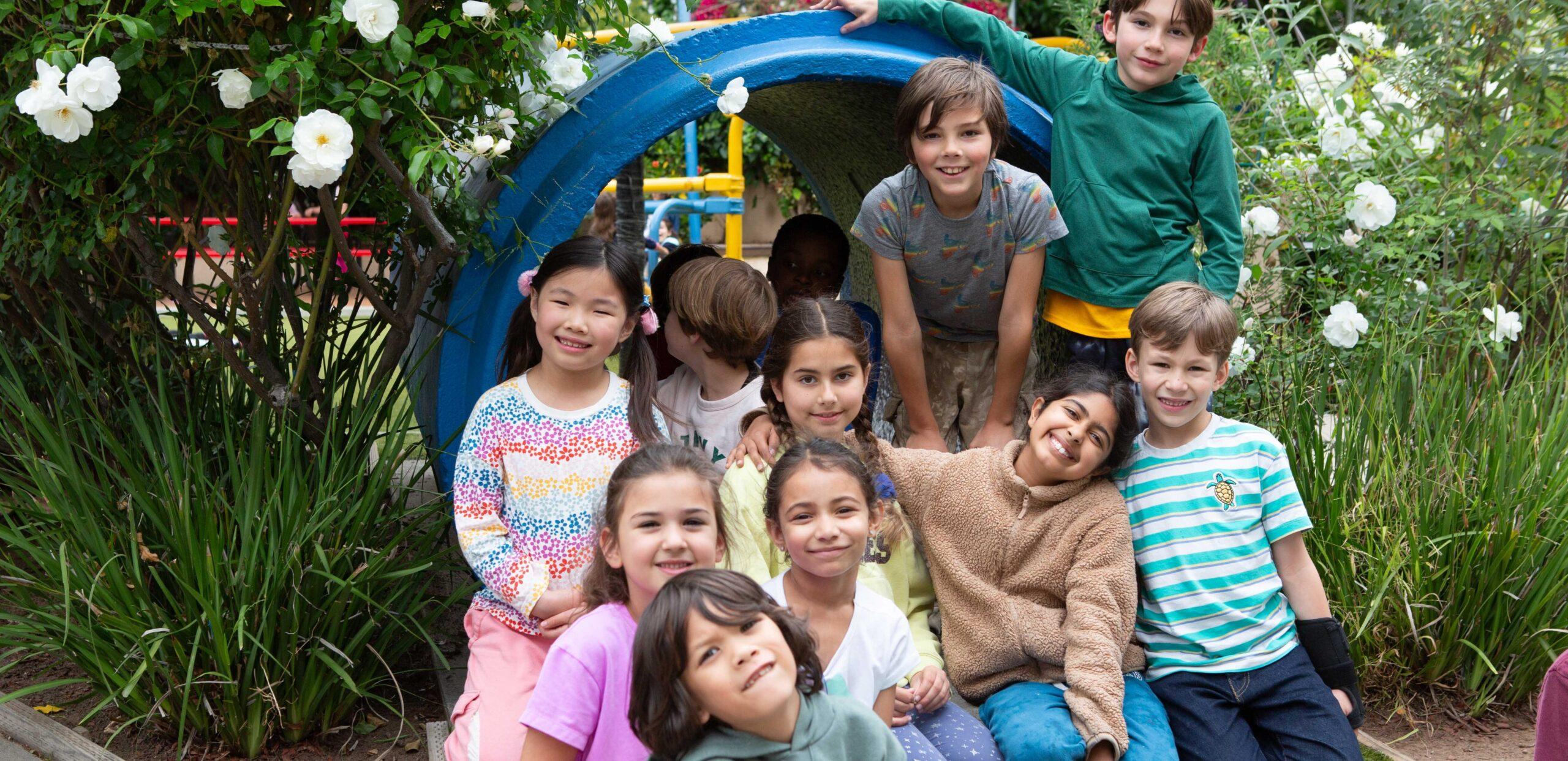
Classroom discussions, cultural activities, international celebrations, and friendships can make these lessons part of everyday school life.
This exposure can also help children become more comfortable communicating with people from different communities. Cultural understanding is an important skill that can support their personal, academic, and professional development in the future.
The Importance of Bilingual Education
Learning another language can create valuable opportunities for children. It allows them to communicate with more people, understand different cultures, and explore new ways of expressing their thoughts.
Bilingual education helps students develop language skills through regular classroom activities and practical communication. Reading stories, participating in conversations, listening exercises, and creative assignments can make language learning more enjoyable.
Children also become familiar with different vocabulary, expressions, and communication styles. With consistent practice, they can gradually become more confident when speaking and writing in another language.
For families who value multilingual learning, an International school Pasadena may be worth exploring when comparing educational approaches and language programmes.
Encouraging Creativity in the Classroom
Every child has a different personality and unique interests. Some children enjoy drawing, while others prefer music, storytelling, science, or practical activities. A good learning environment should provide opportunities for students to explore these interests.
Creative classroom activities allow children to express their imagination and develop new abilities. Art projects, group presentations, storytelling, and music can make education more engaging.
Creativity also teaches children that there can be different ways to approach a problem. Instead of always searching for one correct answer, students learn to experiment, explore ideas, and think independently.
These experiences can help children recognise their strengths and become more comfortable expressing themselves.
Developing Confidence and Communication Skills
Confidence is an important part of a child's development. Students who feel comfortable sharing their thoughts are often more willing to participate in classroom activities and explore unfamiliar subjects.
Teachers can encourage confidence by giving students opportunities to speak, ask questions, participate in discussions, and present their ideas.
Group activities can also improve communication skills. Children learn how to listen carefully, explain their opinions, and understand what others are saying.
Making mistakes should also be treated as a natural part of learning. When children understand that mistakes provide opportunities to improve, they may become more willing to accept challenges and try new things.
Building Meaningful Friendships and Relationships
School is an important place for children to develop friendships and learn how to interact with others. Positive relationships can make students feel comfortable, supported, and included.
International classrooms can provide opportunities to build friendships with classmates from different cultural and linguistic backgrounds. These relationships help children understand different perspectives and appreciate individual differences.
Everyday activities such as sharing resources, working on projects, playing games, and participating in group discussions teach cooperation and patience.
Learning to respect others and resolve disagreements peacefully can also support emotional development. These social skills remain useful throughout childhood and adult life.
Supporting Academic and Personal Development
Academic achievement is an important part of education, but personal development should receive equal attention. Children need guidance that helps them understand their abilities, manage responsibilities, and develop healthy learning habits.
A supportive teacher can identify areas where students perform well and subjects where they may need additional assistance.
Encouraging children to set realistic goals can also improve motivation. Small achievements, such as completing an assignment or understanding a difficult lesson, can help students recognise their progress.
A balanced educational approach allows children to develop knowledge while learning important qualities such as discipline, patience, responsibility, and determination.
Learning Beyond Traditional Classroom Lessons
Children can gain valuable knowledge through experiences outside regular academic lessons. Educational trips, sports, music, art, and practical projects can help students discover new interests.
Sports activities encourage teamwork, physical activity, and discipline. Creative projects develop imagination and problem solving, while educational visits allow children to connect classroom topics with real world experiences.
These activities can also help students discover talents that they might not recognise through academic subjects alone.
A varied learning experience gives children more opportunities to participate, explore, and enjoy their school years.
How Parents Can Choose the Right Educational Environment
Choosing a school requires time and careful research. Parents should consider the curriculum, teaching methods, language opportunities, classroom environment, and extracurricular activities before making a decision.
It is also important to understand how teachers support individual students and communicate with families. A positive relationship between parents and educators can help children receive consistent guidance.
Visiting a campus can provide useful information about the school's atmosphere and daily activities. Parents can ask questions about academic programmes, student support, classroom experiences, and opportunities for personal development.
Families researching an International school Pasadena should consider whether the educational environment matches their child's personality, interests, and future learning goals.
Preparing Children for a Changing World
The future will bring new opportunities, technologies, and challenges. Children will need more than academic knowledge to succeed in an increasingly connected world.
Communication, creativity, adaptability, cultural understanding, and independent thinking are valuable abilities that can help students face different situations.
International education can introduce these skills through diverse classroom experiences and opportunities to understand different perspectives.
When children are encouraged to remain curious and open to learning, they can become better prepared to explore new opportunities and make thoughtful decisions as they grow.
Conclusion
Choosing the right school can make a meaningful difference in a child's educational journey. A supportive international learning environment can help students develop academic knowledge, language abilities, creativity, confidence, and cultural awareness.
For parents exploring educational opportunities, an International school Pasadena can be a starting point for understanding the value of global learning. The most important goal is to find a school where children feel encouraged to learn, develop their interests, build meaningful relationships, and prepare for a confident future.
