

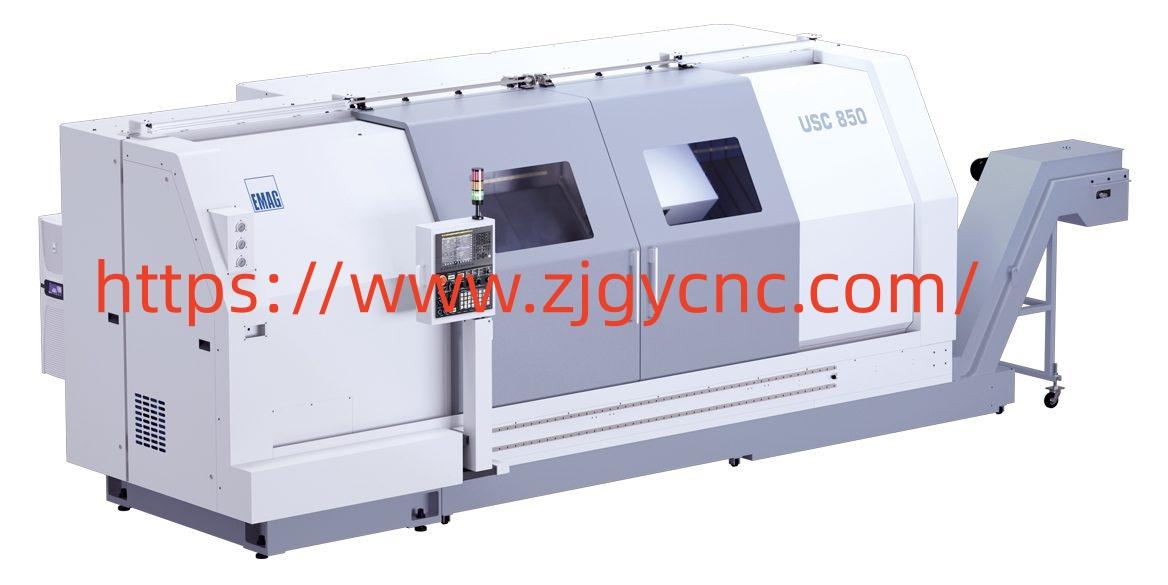

Universal CNC Lathe selection requires buyers to look beyond the machine price and basic specifications. For machining workshops, industrial manufacturers, and equipment distributors, the purchasing decision should begin with actual production requirements. Workpiece dimensions, material types, machining processes, batch quantities, and future product plans all influence which machine configuration is appropriate. A structured evaluation can help buyers communicate with manufacturers and avoid choosing equipment that does not match their daily operations.
Define the Parts You Plan to Produce
Before comparing machines, buyers should prepare a clear overview of the parts they intend to manufacture. This includes the maximum workpiece diameter, required length, material composition, shape, and dimensional tolerances.
A workshop producing small metal fittings may have different requirements from a manufacturer processing larger industrial components. Part geometry also matters. Components with external profiles, internal holes, grooves, or threaded sections may require different tooling arrangements and machining procedures.
Buyers should prepare several representative part drawings rather than describing their needs only in general terms. Technical drawings help the manufacturer understand the actual workload and discuss whether a proposed configuration can accommodate the required operations.
Match Machine Capacity With Production Requirements
Machine capacity should correspond to the size and weight of the workpieces. Buyers should review the maximum turning diameter, machining length, spindle bore, chuck dimensions, and available axis travel.
These parameters affect how a workpiece can be installed and processed. Selecting a machine with unsuitable capacity may limit the range of parts that can be produced or require additional setup arrangements.
Production volume should also be considered. A workshop handling occasional custom orders may prioritize flexible setup and convenient operation. A facility processing repeated batches may place greater emphasis on cycle planning, tool changes, and consistent machining conditions.
Instead of selecting specifications based on assumptions, buyers should discuss their current workload and expected production changes with the manufacturer.
Understand the Machine Structure
The machine structure influences how equipment responds to cutting forces during operation. Buyers should examine the bed design, guideway arrangement, supporting components, and overall construction.
Different structural configurations serve different machining conditions. For example, a linear guideway arrangement may be considered for operations requiring responsive axis movement, while a hard rail structure may be relevant to applications involving demanding cutting loads.
The choice should reflect the material, cutting depth, workpiece dimensions, and required machining process. Buyers can ask the manufacturer to explain the structural differences between available models and provide guidance based on representative workpieces.
It is also worth discussing installation requirements, including floor space, machine weight, electrical supply, and workshop layout. These details help prevent unexpected preparation work after delivery.
Review Spindle and Tooling Arrangements
The spindle is a key part of the machining system. Buyers should check its speed range, power, torque characteristics, and compatibility with the intended cutting operations.
Different materials and machining stages may require different spindle conditions. Rough cutting, finishing, and processing components with varied diameters can place different demands on the equipment.
Tooling arrangements deserve similar attention. Buyers should consider the number of tool positions, tool dimensions, boring tool compatibility, and the availability of suitable holders. If a workshop frequently changes between product types, convenient tool setup may help simplify production preparation.
Before ordering, provide the manufacturer with details about commonly used cutting tools and machining sequences. This makes it easier to discuss a practical configuration instead of relying solely on standard catalog descriptions.
Evaluate the Control System and Operator Requirements
The control system affects programming, setup, and everyday machine operation. Buyers should identify which control brands or configurations are suitable for their production environment and operator experience.
It is useful to consider program editing, coordinate settings, machining simulation, alarm information, and communication with existing production procedures. If operators already have experience with a particular control platform, maintaining familiarity may reduce the adjustment period when new equipment is introduced.
Training and technical support should also be discussed. Buyers can ask what operating documents are supplied, whether training is available, and how technical questions are handled after installation.
A clear understanding of these arrangements helps purchasing teams assess the equipment as part of a complete production process.
Request Practical Machining Evaluation
Catalog information provides a starting point, but a practical machining evaluation can offer additional insight. Buyers may provide sample drawings or representative workpieces and discuss whether a trial process can be arranged.
During evaluation, pay attention to dimensional results, surface condition, machining time, tool setup, and the repeatability of the process. The results should be reviewed against the actual requirements of the intended application.
It is also useful to record the cutting tools, operating parameters, and setup conditions used during the evaluation. This information provides a reference for later production planning and communication between the purchasing and engineering teams.
Compare the Complete Purchasing Arrangement
The final decision should include more than the machine quotation. Buyers should review included accessories, optional configurations, packaging, shipping arrangements, installation support, spare parts, and warranty conditions.
Maintenance planning is another important subject. Ask about routine inspection points, lubrication requirements, consumable parts, and recommended service intervals. Understanding these responsibilities can help workshops plan equipment use and maintenance budgets.As a machine tool manufacturer, zjgycnc can discuss different equipment configurations according to workpiece specifications and production requirements. Buyers can provide part drawings, material information, machining processes, and expected order quantities to support a more detailed selection discussion. To review available machine models and learn more about the company, visit https://www.zjgycnc.com/ and contact the team with your machining requirements.
