

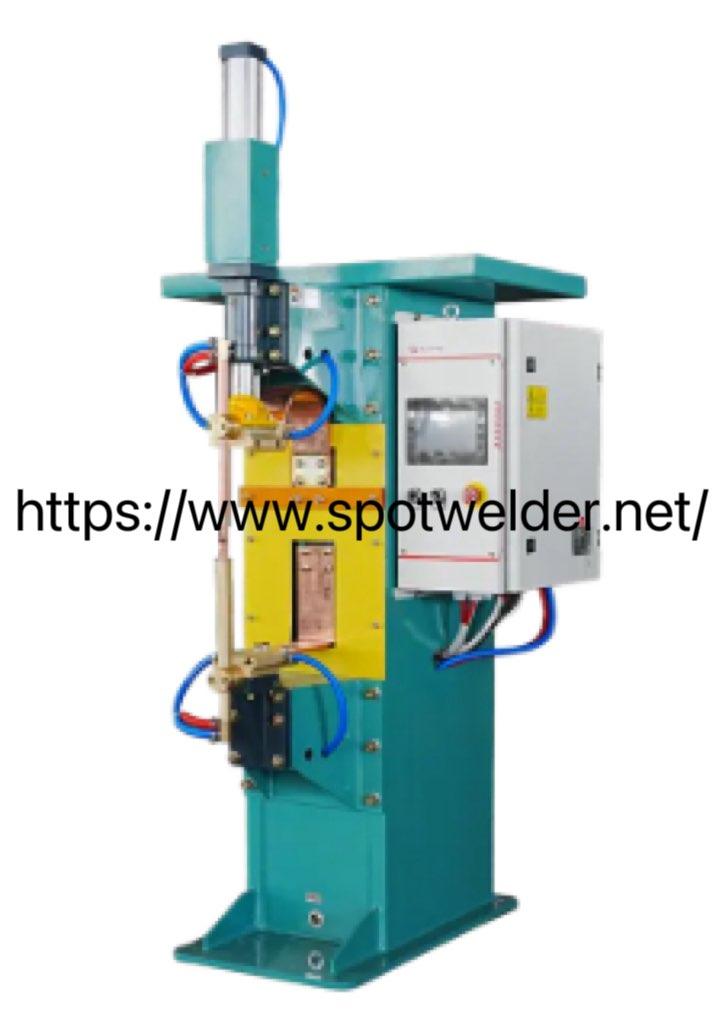

Spot Welder selection requires buyers to consider material compatibility, welding capacity, electrode pressure, control functions, and production requirements. For manufacturers working with metal sheets and assembled components, choosing suitable equipment can influence joint consistency, processing time, and daily operating costs. Before making a purchase, buyers should identify their workpiece materials, thickness ranges, joint positions, and expected production volume. These details provide a practical foundation for comparing machine configurations and discussing technical requirements with a manufacturer.
Identify the Materials and Workpiece Thickness
Material selection is one of the first considerations when evaluating resistance welding equipment. Different metals have different electrical resistance, thermal conductivity, and surface characteristics, which influence the required welding conditions.
Steel, stainless steel, copper, and aluminum may require different current levels, electrode arrangements, and process settings. Coated materials also need additional attention because surface layers can affect electrical contact and electrode wear.
Buyers should prepare detailed information about the materials they intend to process. Include the metal grade, individual sheet thickness, number of layers, and joint structure. Providing sample components or technical drawings can help the supplier evaluate whether a proposed configuration is suitable for the application.
Compare Power Supply and Welding Capacity
Different production tasks may require different power configurations. Power-frequency systems, medium-frequency direct-current systems, and capacitor-discharge equipment are available for different welding applications.
When comparing models, review rated capacity, available output current, operating duty cycle, and electrical supply requirements. These specifications should be considered together rather than treating the rated power as the only purchasing reference.
For example, a factory handling thin sheet assemblies may have different requirements from a workshop joining thicker metal components. Buyers should explain their actual workload and ask the manufacturer to confirm the appropriate configuration.
Yongkang Jiaxiao Welding Automation Equipment Co., Ltd. offers several equipment categories, including power-frequency, MFDC, and capacitor-discharge models. This product range gives buyers different configurations to consider according to their processing requirements.
Examine Electrode Pressure and Arm Design
Electrodes apply pressure to the workpieces and conduct electrical current through the joining area. Their shape, material, size, and alignment can influence the contact condition and final joint formation.
Buyers should check the available electrode force and whether it can be adjusted for different materials and thickness combinations. The electrode arms also deserve attention because their length and structure affect accessibility, pressure transmission, and positioning.
For components with narrow spaces or complex shapes, the distance between the machine frame and welding point may determine whether the equipment can reach the required position. Therefore, buyers should compare the working area with actual component drawings instead of relying only on general machine dimensions.
Review the Control System and Parameter Adjustment
The control system determines how important welding parameters are managed during operation. Current, welding time, pressure sequence, and other process settings should be adjustable according to the selected machine configuration.
A practical interface can help operators set production parameters and repeat established procedures. Some systems also support stored programs, which can be useful when a workshop handles several component types.
Before ordering, ask which functions are included in the standard configuration and which require additional options. Buyers should also clarify whether the controller provides current monitoring, fault indications, parameter storage, or communication with external automation equipment.
Consider Cooling and Continuous Production Requirements
Welding generates heat in the electrodes, transformers, and other components. Depending on machine design and operating conditions, a suitable cooling arrangement may be necessary to maintain stable operation.
Check whether the selected model requires water cooling, what flow conditions are specified, and whether monitoring components are included. The required maintenance schedule should also be discussed before installation.
Production volume is another important factor. Buyers should estimate the number of welding cycles per hour, operating shifts, and expected production interruptions. Comparing these figures with the rated duty cycle helps determine whether the proposed machine is appropriate for the intended workload.
Evaluate Customization and Supplier Support
Standard equipment may not address every production requirement. Manufacturers handling specialized components may need customized fixtures, modified electrode arms, automatic feeding arrangements, or integrated production stations.
spotwelder provides resistance welding equipment and customized welding solutions for different industrial applications. Its product range also includes welding transformers, controllers, pneumatic components, and related machine parts. Buyers can discuss material characteristics, component geometry, and production targets with the team when considering a suitable configuration.
Before confirming an order, request a detailed quotation, technical specification sheet, configuration list, and delivery schedule. It is also useful to clarify installation guidance, operator training, replacement component availability, and after-sales service arrangements.
Prepare a Practical Purchasing Checklist
A clear purchasing checklist helps buyers compare suppliers and avoid overlooking important technical details. Before requesting a quotation, prepare the following information:
Material types and individual workpiece thicknesses
Component drawings and required joining positions
Expected daily production volume and operating hours
Available factory voltage and electrical supply
Required electrode reach and machine working space
Cooling conditions and installation environment
Automation requirements and future production plans
These details allow manufacturers to provide more relevant recommendations instead of relying on general product descriptions.
Discuss Your Application Before Ordering
Selecting industrial welding equipment should begin with the actual components and production process. Material compatibility, output capacity, electrode design, control functions, cooling arrangements, and supplier support all deserve attention during the purchasing process. A clear understanding of these factors can help factories choose a configuration that fits their operations and planned production volume. To review available models, compare technical configurations, and discuss customized manufacturing requirements, visit https://www.spotwelder.net/product/ and contact spotwelder for further product information.
