

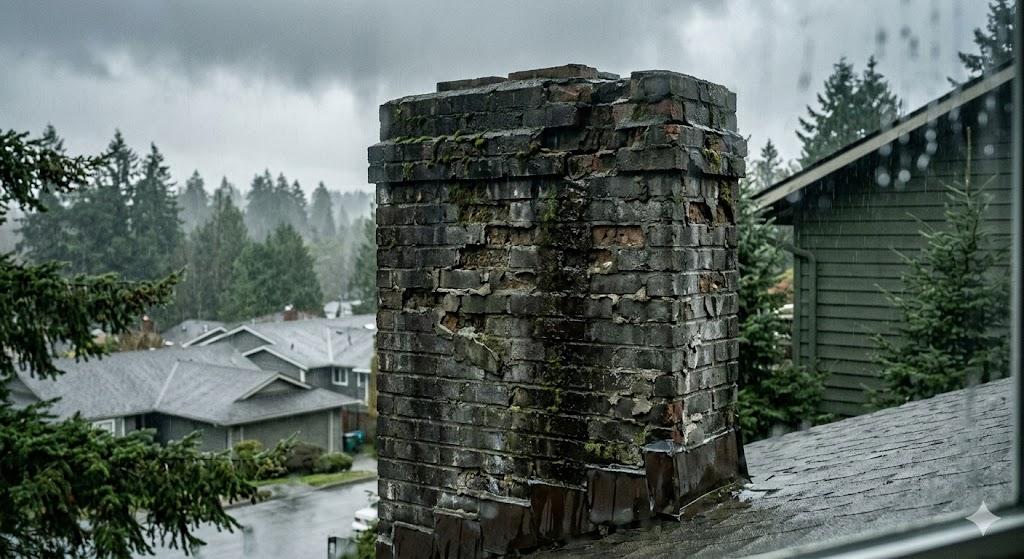
Chimney Repair and Inspections: Protect Your Home from Hidden Structural Damage

A chimney is more than an architectural feature; it plays an important role in maintaining fireplace safety, proper ventilation, and the overall condition of your home. However, constant exposure to rain, snow, moisture, temperature changes, and seasonal weather can gradually weaken its structure. Small cracks, deteriorating mortar joints, damaged flashing, and loose bricks may seem harmless initially, but they can develop into expensive problems. Regular chimney inspections help identify these warning signs early, while professional chimney repair restores the structure and prevents further deterioration. Understanding when your chimney needs attention can help protect your property and maintain a safer, more comfortable living environment.
Why Regular Chimney Inspections Matter
Many chimney problems develop gradually and remain unnoticed until visible damage appears. A professional inspection provides an opportunity to assess the chimney's exterior masonry, interior flue, flashing, crown, mortar joints, and other important components.
During chimney inspections, professionals look for cracks, moisture penetration, loose bricks, damaged chimney caps, creosote accumulation, and signs of structural deterioration. These issues can affect fireplace performance and create potential safety concerns if ignored.
Scheduling inspections at least once a year is a useful maintenance practice, particularly for homeowners who regularly use their fireplaces. Inspections are also important after severe weather events, when strong winds, heavy rainfall, or freezing temperatures may have caused unexpected damage.
Common Signs Your Chimney Needs Repair
Recognizing early warning signs can help homeowners arrange appropriate repairs before minor issues become major structural concerns.
1. Cracked or Missing Mortar
Mortar holds individual bricks together and provides stability to the masonry structure. Over time, moisture and temperature fluctuations can cause mortar joints to deteriorate. Missing or crumbling mortar should be addressed through professional masonry repairs or chimney repointing.
2. Water Leaks Around the Chimney
Water stains on ceilings, damp walls near the fireplace, musty smells, or visible moisture inside the chimney may indicate water penetration. Damaged flashing, cracked crowns, and missing chimney caps are common causes of these problems.
3. Loose or Damaged Bricks
Bricks can become cracked, displaced, or weakened after years of exposure to harsh weather. Damaged masonry should not be ignored because it can affect the chimney's stability. Depending on the condition, individual bricks may need replacement or more extensive reconstruction.
4. Damaged Chimney Flashing
Flashing creates a protective seal where the chimney meets the roof. If the flashing becomes loose, corroded, or improperly sealed, rainwater can enter the roofing system. Professional chimney flashing repair helps restore this protective barrier and reduce the risk of interior water damage.
5. White Stains on Exterior Masonry
White powdery deposits, commonly called efflorescence, can indicate moisture moving through the masonry and carrying mineral salts to the surface. Although the stains themselves are not always serious, they can signal an underlying moisture problem that requires attention.
How Professional Chimney Repair Protects Your Property
Timely chimney repair addresses existing damage and helps prevent additional deterioration. The appropriate solution depends on the type and severity of the problem identified during an inspection.
For example, deteriorated mortar joints may require repointing, while cracked or damaged bricks may need replacement. A damaged chimney crown can be repaired or rebuilt to prevent water from entering the masonry. Similarly, installing a suitable chimney cap can help keep rain, debris, birds, and other unwanted elements out of the flue.
Water-related problems may also require flashing replacement or repair. Addressing these issues promptly helps protect surrounding roofing materials, attic spaces, and interior ceilings.
For more extensive structural damage, partial or complete chimney reconstruction may be necessary. A qualified masonry professional can evaluate the condition and recommend an appropriate repair strategy.
Preventing Moisture Damage and Masonry Deterioration
Moisture is one of the biggest threats to brick chimneys. When water enters small cracks or porous masonry and temperatures fluctuate, repeated expansion and contraction can gradually damage the structure.
Homeowners can reduce these risks by following a few practical maintenance steps:
-
Schedule annual chimney inspections to identify developing problems.
-
Check the chimney crown for cracks and signs of deterioration.
-
Ensure chimney caps are properly installed and in good condition.
-
Address damaged flashing before water reaches the roof structure.
-
Repair deteriorating mortar joints before bricks become loose.
-
Keep gutters and nearby drainage systems functioning properly.
-
Arrange professional assessments after significant storms.
Preventive maintenance does not eliminate every potential issue, but it can reduce the likelihood of unexpected repairs and help extend the chimney's service life.
Why Professional Assessment Is Better Than Guesswork
Chimney damage is not always limited to the area where it first becomes visible. A small exterior crack could be connected to deeper moisture penetration, while water stains near the fireplace might originate from damaged roof flashing.
Professional assessments help determine the actual source of the problem rather than simply covering up visible symptoms. Experienced masonry specialists can evaluate the chimney's condition, identify the materials involved, and recommend suitable repair methods.
They can also explain which repairs require immediate attention and which maintenance tasks can be planned for the future. This allows homeowners to make informed decisions about property maintenance and avoid unnecessary expenses.
Protect Your Chimney with Timely Maintenance
A well-maintained chimney contributes to the safety, functionality, and appearance of your home. Ignoring damaged mortar, cracked bricks, leaking flashing, or moisture-related warning signs can lead to more complicated repairs over time.
Combining regular chimney inspections with timely chimney repair is a practical way to protect your investment and maintain the condition of your masonry. Whether your chimney needs minor repointing, flashing repairs, crown restoration, or more extensive structural work, addressing the problem early can make a significant difference.
Don't wait until visible damage becomes a costly concern. Arrange a professional chimney assessment and give your home the attention it needs to remain protected throughout the changing seasons.
