

Is Attic Vacuum Service Needed Before New Insulation in Pensacola, FL Homes for Better Installation Results?

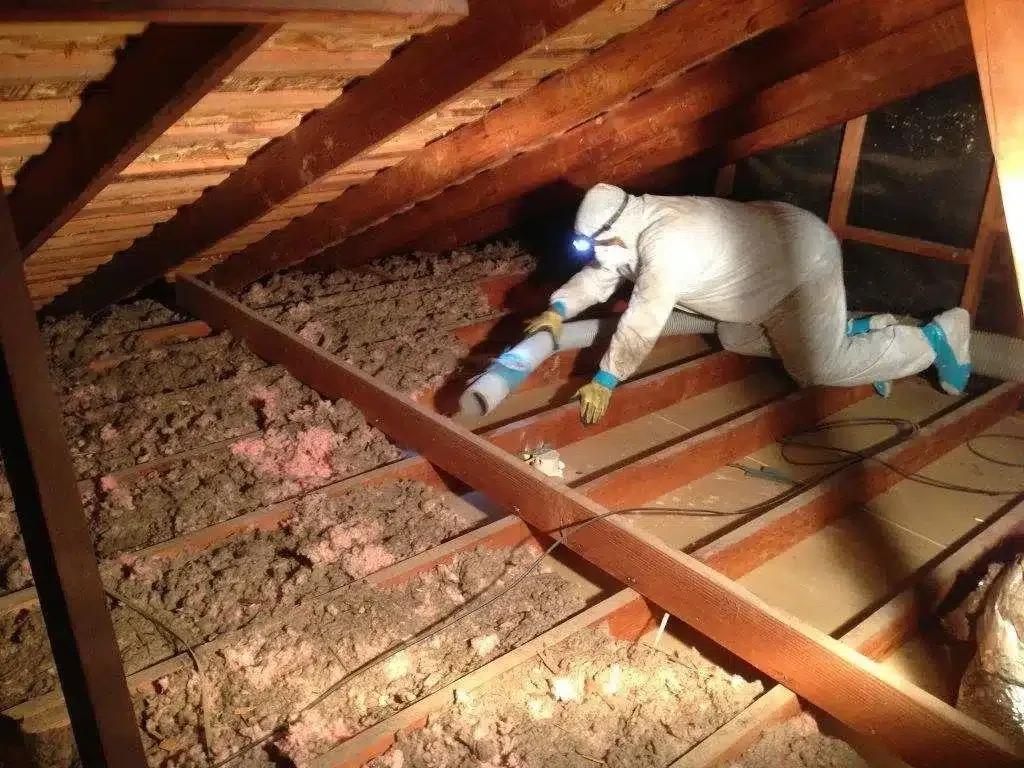
Yes, attic vacuum service can help prepare a Pensacola home for new insulation when the attic contains loose debris, contaminated insulation, or accumulated dust. However, vacuuming is not required for every project. The need depends on the existing insulation's condition and whether the attic floor must be cleaned for repairs or air sealing.
This guide explains when attic insulation vacuuming is useful, how it compares with other preparation methods, and what homeowners should consider before installing replacement insulation. It also covers Pensacola's weather, R-value, and how professional insulation removal services can help with preparation.
When Is Attic Vacuuming Necessary Before New Insulation?
Attic vacuuming is most useful when loose insulation or debris needs to be removed before repairs and replacement. Clean, dry insulation in good condition can often remain in place if the new installation allows for proper coverage.
Homeowners may need attic vacuum service in Pensacola, FL, when they notice:
-
Pest contamination: Rodent droppings, nesting materials, or damaged insulation may require controlled removal and cleanup.
-
Water damage: Wet insulation from roof leaks may need removal after the moisture source is repaired.
-
Heavy debris: Dust, construction scraps, and loose material can interfere with inspection and air sealing.
-
Insulation replacement: Removing old material can expose the attic floor, making it easier to inspect and prepare the surface.
The ENERGY STAR attic insulation guide explains that existing insulation can often remain if it is dry and in good condition. Removal is more appropriate when the material is wet, moldy, contaminated, or damaged.
Benefits of Professional Attic Vacuum Service
Professional attic cleaning helps prepare the work area before new insulation is installed. The main benefit is not simply removing dust, but making it easier to identify problems and complete necessary preparation.
-
Cleaner surfaces: Removing loose debris can help prepare attic-floor surfaces for air sealing and other work.
-
Better inspection: Clearing damaged insulation can reveal water stains, pest activity, or gaps that need attention.
-
Controlled removal: Suitable equipment and work practices help manage dust and debris during cleanup.
-
Improved installation preparation: Contractors can address necessary repairs before installing replacement insulation.
The U.S. Department of Energy recommends cleaning attic-floor surfaces where needed so sealants can adhere properly during air sealing. See its guidance on air sealing existing attics.

Attic Vacuuming vs. Other Insulation Preparation Methods
Not every attic needs full insulation removal. The appropriate method depends on the material's condition, the amount of debris, and the work planned.
|
Preparation Method |
Best Suited For |
Main Consideration |
|
Attic vacuuming |
Loose-fill insulation, dust, and suitable debris removal |
Equipment and method must suit the material and contamination |
|
Manual removal |
Accessible insulation batts or selected materials |
Can require more handling and careful dust control |
|
Surface cleaning and air sealing |
Attics with sound insulation that can remain in place |
Insulation may need to be moved aside to access gaps |
|
Full insulation replacement |
Damaged, wet, or contaminated insulation |
Moisture sources and other underlying problems must be addressed first |
Suspected hazardous insulation requires special care. Homeowners should not disturb vermiculite insulation that may contain asbestos. They should seek advice from qualified asbestos professionals before any removal or vacuuming.
Pros and Cons of Attic Vacuuming
Vacuuming can be useful for specific attic conditions, but it is not always necessary or sufficient on its own.
Pros
-
Removes suitable loose insulation and debris from hard-to-reach areas.
-
Helps expose surfaces for inspection, repairs, and air sealing.
-
Supports a cleaner work area before replacement insulation is installed.
Cons
-
Adds cost when the existing insulation is already clean and serviceable.
-
Does not repair roof leaks, correct ventilation problems, or remove the source of moisture.
-
May be unsuitable for hazardous materials without specialized assessment and handling.
A contractor should inspect the attic before recommending vacuuming or full removal.
Common Attic Problems in Pensacola Homes
Pensacola's warm, humid climate and seasonal heavy rainfall make moisture checks an important part of attic preparation. Vacuuming alone will not solve problems caused by leaks, condensation, or poor ventilation.
Homeowners should watch for:
-
Musty odors or visible mold: These can indicate moisture problems that need investigation before new insulation is installed.
-
Roof leaks: Water-damaged insulation may need removal, but the roof must be repaired first.
-
Pest activity: Droppings, nests, and damaged material may require pest treatment and controlled cleanup.
-
Uneven indoor temperatures: Low insulation levels and air leaks can contribute to discomfort, although HVAC and duct problems may also be involved.
The U.S. Department of Energy's attic assessment guidance recommends addressing roof leaks, moisture damage, mold, and pest issues before proceeding with insulation work.
How Pensacola Weather Affects Attic Cleaning and Insulation
Hot weather, humidity, and heavy rain can make moisture control especially important during attic projects. The Florida Climate Center's Pensacola climate normals document the area's warm temperatures and substantial annual rainfall.
Before new insulation is installed, homeowners should confirm that:
-
Roof leaks and other water sources have been repaired.
-
Wet building materials have been properly dried.
-
Ventilation and air leaks have been assessed.
-
Required attic ventilation openings will remain clear.
Attic vacuuming can be done in any season if the area is safe and dry. Moisture problems must be fixed before installing new insulation.
Does Attic Vacuuming Affect R-Value?
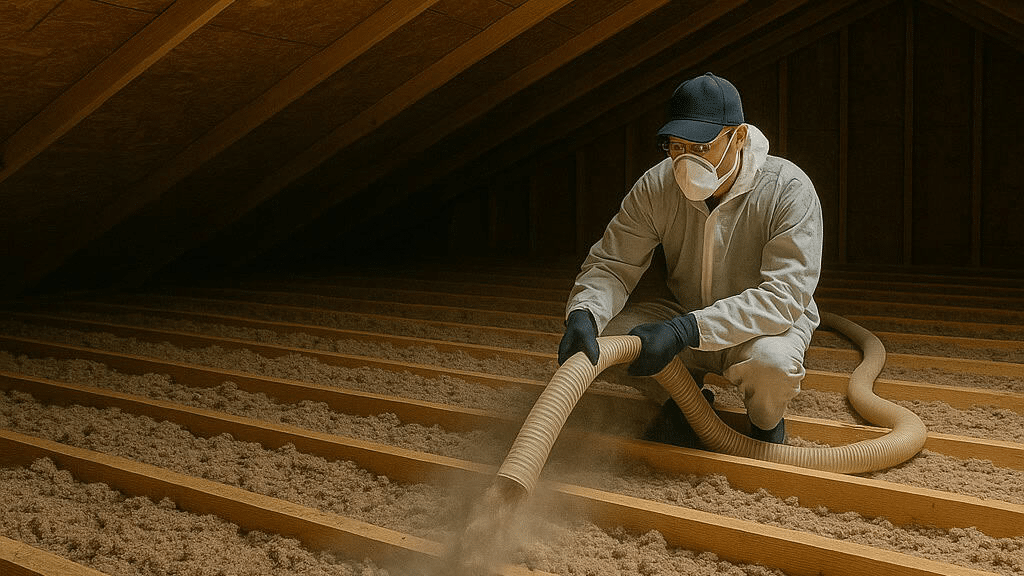
R-value measures how well insulation resists heat flow. A higher R-value generally means greater resistance to heat transfer, but actual performance also depends on coverage, installation quality, and air leakage.
Vacuuming does not increase R-value by itself. Its role is to remove material when necessary and prepare the attic for suitable replacement insulation. The correct insulation type and depth should be selected based on the home and applicable requirements.
Before approving the work, homeowners should ask the contractor to specify the replacement material, target R-value, and planned coverage.
How to Prepare for New Attic Insulation
Good preparation helps prevent existing problems from being covered by new insulation. A professional assessment should establish what needs to be removed and what can safely remain.
A typical preparation plan includes:
-
Inspect the attic: Check insulation condition, debris, moisture, pest activity, wiring, and ventilation.
-
Determine the removal method: Identify whether vacuuming, manual removal, or limited cleaning is appropriate.
-
Address underlying problems: Repair leaks and arrange qualified treatment for mold, pests, or hazardous materials when needed.
-
Clean and air seal: Remove suitable debris and seal accessible gaps before adding insulation.
-
Install and inspect: Apply the selected insulation with consistent coverage while keeping required ventilation paths clear.
Why Consider Prestige Insulation Solutions?
Prestige Insulation Solutions offers insulation removal, residential and commercial insulation, blown-in insulation, fiberglass insulation, spray foam insulation, and roof insulation services.
For Pensacola homeowners, the appropriate service depends on the attic's condition and the work required before replacement. Homeowners should request a clear scope that identifies whether vacuuming, insulation removal, cleanup, air sealing, repairs, and new insulation are included.
Conclusion
Attic vacuum service can be helpful before new insulation when an attic contains loose debris, damaged material, or contamination. However, clean, dry insulation may not need removal. An inspection helps determine the right approach and identify moisture or air-leakage problems before installation.
Homeowners should confirm the removal method, cleanup arrangements, repairs, and replacement insulation details before work begins.
Contact Prestige Insulation Solutions
Homeowners planning attic preparation in Pensacola can contact Prestige Insulation Solutions to discuss insulation removal and suitable replacement options for their property.
-
Email: [email protected]
-
Phone: (850) 429-4969
Frequently Asked Questions
1. How Long Does Attic Vacuuming Usually Take?
The time depends on attic size, insulation depth, access, and debris levels. A contractor can provide a more accurate estimate after inspecting the space.
2. Will Attic Vacuuming Increase My Home’s Energy Efficiency?
Not by itself. Energy performance may improve when damaged insulation is replaced, coverage is corrected, and air leaks are sealed.
3. Do Homeowners Need to Remove Belongings Before Attic Cleaning?
Items stored in the attic should be removed or protected if they could interfere with access or become contaminated by dust and debris.
4. Can New Insulation Be Installed Over Old Insulation After Vacuuming?
Sometimes. Existing insulation must be clean, dry, and in suitable condition, and the added material must provide proper coverage without blocking ventilation or creating moisture problems.
Author & Reviewer
Author: I’m Rene Zamarripa, a spray foam installer and owner with experience in the insulation industry. I started my career with Key Insulation and have built my experience through hands-on work in the trade. Today, I run a successful insulation company, applying my knowledge of R-values, spray foam, fiberglass, and cellulose to every project. I’m committed to delivering high-quality results and maintaining strong standards in my work. My company was established on 12/01/2023, continuing my work and experience in the insulation industry while serving customers with quality insulation solutions.
Reviewer: With over 13 years in spray foam insulation, Benjamin Lee reviewed this content and offered feedback aimed at helping growing businesses connect with local homeowners and commercial clients more effectively.
