

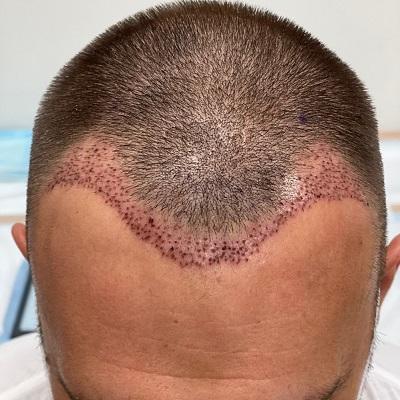
How Does Tajmeels Clinic Evaluate Scalp Condition Before Hair Transplant?
A successful Hair Transplant in Dubai begins with more than identifying areas of hair loss. The condition of the scalp plays an important role in determining treatment suitability, planning graft placement, and supporting the healing process. Before recommending hair restoration, specialists need to understand the scalp's health, existing hair density, skin condition, and possible factors contributing to hair loss.
A detailed scalp evaluation helps identify concerns that may influence the procedure and allows treatment planning to be adjusted according to individual needs. In Dubai, people considering hair restoration can benefit from understanding why scalp assessment is an essential part of the hair transplant process.
Why Is Scalp Evaluation Important Before Hair Transplant?
The scalp provides the environment where transplanted hair follicles are placed and begin their healing process. If the scalp has inflammation, irritation, infection, or certain skin conditions, these issues may affect treatment suitability and recovery.
A professional assessment helps identify whether the scalp is healthy enough for surgery or whether an underlying concern needs attention first.
Scalp evaluation also helps specialists understand:
-
The distribution and severity of hair thinning.
-
The condition of existing hair follicles.
-
Areas with redness, irritation, or inflammation.
-
Skin texture and scalp sensitivity.
-
The availability of suitable donor hair.
-
Factors that may influence healing and recovery.
This information supports a more informed approach to hair transplant planning.
How Is the Scalp Examined Before Hair Transplant?
A scalp examination generally involves visual inspection and a closer assessment of the skin and hair follicles. Specialists may use magnification or digital scalp imaging to examine areas that are difficult to assess with the naked eye.
During the examination, attention is given to the following factors.
1. Scalp Skin Health
Healthy scalp skin is an important consideration before hair transplant surgery. Specialists check for dryness, excessive oiliness, flaking, redness, irritation, and visible skin abnormalities.
Conditions such as seborrhoeic dermatitis, psoriasis, or folliculitis may require medical assessment before proceeding. Active inflammation or infection should not be ignored because it can increase the risk of complications.
The objective is to determine whether the scalp environment is suitable for the planned procedure.
2. Hair Follicle and Density Assessment
Hair density varies across different areas of the scalp. Some individuals experience thinning around the temples, while others notice changes near the crown or central scalp.
Specialists examine the distribution of existing hair and assess follicular characteristics. This helps identify areas that may benefit from transplantation and understand how much natural hair remains.
A density assessment also supports realistic expectations regarding the appearance of the final result.
3. Donor Area Condition
The donor area, usually located at the back and sides of the scalp, is another important part of the evaluation.
Specialists examine the density, thickness, and general condition of donor hair to determine whether enough suitable follicles are available. They also look for visible scarring, skin abnormalities, and signs of previous procedures.
Donor hair availability is important because removing too many grafts can create visible thinning in the donor region. Therefore, careful assessment helps support responsible graft planning.
4. Scalp Sensitivity and Skin Texture
Some individuals have sensitive scalp skin that becomes irritated easily. Others may experience discomfort, itching, or dryness because of underlying dermatological concerns.
Specialists consider these characteristics when reviewing the scalp before surgery. Skin texture and elasticity may also be assessed as part of the overall examination.
Although sensitivity alone does not automatically prevent someone from having a hair transplant, it should be discussed during the consultation.
Does an Existing Scalp Condition Affect Hair Transplant Suitability?
Certain scalp conditions can influence when and how hair transplant surgery is performed. For example, active infections, severe inflammation, or uncontrolled skin disorders may require treatment before surgery is considered.
People experiencing persistent itching, unusual scaling, painful bumps, or unexplained redness should mention these symptoms during their consultation.
A dermatologist may be involved when further investigation is necessary. Treating an underlying scalp condition first can help establish a healthier environment for the procedure.
It is also important to understand that not every scalp concern makes someone unsuitable for hair transplantation. Suitability depends on the specific condition, its severity, and the overall clinical assessment.
What Other Factors Are Considered During Scalp Assessment?
Scalp health is only one part of the complete hair transplant evaluation. Specialists also review personal and medical factors that may influence treatment planning.
These may include:
-
Hair loss history: Understanding when thinning started and how it has progressed.
-
Family history: Identifying possible patterns of hereditary hair loss.
-
Previous treatments: Reviewing medications, PRP sessions, or earlier hair restoration procedures.
-
Medical history: Identifying health conditions or medications that may affect surgery and healing.
-
Hair characteristics: Considering hair thickness, texture, colour, and natural growth direction.
Combining these details with the scalp examination allows specialists to develop a more appropriate treatment strategy.
How Does Tajmeels Clinic Evaluate Scalp Condition Before Hair Transplant?
At tajmeels clinic dubai, scalp evaluation is an important part of the hair transplant consultation. The assessment focuses on understanding individual hair loss patterns, examining scalp health, and reviewing the condition of the donor and recipient areas.
The clinic's approach considers factors such as hair density, follicular characteristics, skin condition, and previous hair restoration treatments. If a scalp concern requires further medical attention, it can be considered before discussing surgical treatment.
Based on the findings, the treatment plan can be tailored to the individual's hair restoration goals and clinical suitability. Patients can also discuss expected outcomes, recovery considerations, and questions about the procedure during their consultation.
This personalised evaluation helps ensure that hair transplant recommendations are based on individual needs rather than a standard approach.
How Can Patients Prepare for a Scalp Evaluation?
Preparing for a hair transplant consultation can help make the assessment more informative. Patients should share their hair loss history, previous treatments, and any ongoing scalp symptoms.
It is also helpful to:
-
Bring details of current medications and supplements.
-
Mention any diagnosed scalp or skin conditions.
-
Explain previous hair transplant or scalp procedures.
-
Avoid hiding symptoms such as itching or persistent irritation.
-
Prepare questions about donor hair, graft planning, and recovery.
Patients should follow the clinic's instructions regarding scalp products and hair washing before the appointment.
Conclusion
Evaluating scalp condition before hair transplant surgery helps specialists understand skin health, follicular characteristics, donor hair availability, and possible concerns that may affect treatment suitability. A detailed examination also supports realistic expectations and personalised planning.
Choosing a clinic that considers both scalp health and hair restoration goals is an important step towards informed treatment decisions. A professional consultation at Tajmeels Clinic can help individuals understand their scalp condition and explore suitable hair transplant options in Dubai.
More Information
Tajmeels Clinic Dubai
WhatsApp: +971 56 203 8751
Phone: tel:+971 43739000
Social Media:
