

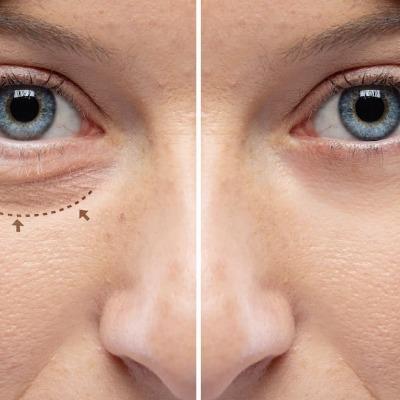

The eyes are among the most expressive features of the face. Their appearance can change over time as the skin loses elasticity and the supporting tissues gradually shift. Loose upper eyelid skin, noticeable puffiness, and under-eye bags may create a tired appearance even when someone feels refreshed. Eyelid Surgery in Islamabad is a surgical option for individuals who want to improve selected eyelid concerns and restore a more balanced eye contour.
At Enfield Royal Clinic in Islamabad, people considering blepharoplasty can discuss their concerns and explore whether the procedure is suitable for their needs. Learning about the surgical techniques, recovery process, and possible outcomes helps patients approach treatment with realistic expectations.
Why Does the Eye Area Need Special Attention?
The skin around the eyes is thinner and more delicate than skin on many other parts of the face. It is supported by muscles, connective tissues, and fat compartments that help maintain normal eyelid movement.
As these structures change with age, excess skin may develop around the upper eyelids, while fat pockets beneath the eyes can become more prominent. Genetics may also influence eyelid shape and the timing of these changes.
Because several conditions can create a similar appearance, identifying the underlying cause is important before considering Eyelid Surgery in Islamabad.
What Is the Role of Blepharoplasty?
Blepharoplasty is a surgical procedure that addresses selected concerns involving the upper and lower eyelids. Depending on the patient's needs, the surgeon may remove excess skin, reposition fat, or adjust selected tissues.
Upper blepharoplasty generally focuses on loose skin that creates folds or a heavy appearance. Lower blepharoplasty may address prominent under-eye fat pockets and certain changes in the lower eyelid contour.
The procedure is planned around the patient's anatomy. The objective is to improve the appearance of the eyelids without compromising normal blinking, eye protection, or comfortable eyelid closure.
Can Upper Eyelid Surgery Improve Facial Expression?
Excess skin on the upper eyelids can create a heavy appearance and sometimes make the eyes look smaller. In certain individuals, significant excess skin may also affect the upper field of vision.
Upper eyelid surgery may help when excess skin is the main cause. The incision is commonly placed within the natural eyelid crease, where it may become less noticeable as healing progresses.
However, not every heavy upper eyelid is caused by loose skin. Eyebrow descent and ptosis, which involves drooping of the eyelid margin, require different assessments and may need different treatments.
How Does Lower Eyelid Surgery Address Puffiness?
Under-eye bags may develop when fat beneath the eyes becomes more prominent. Changes in the supporting tissues and skin elasticity can make these areas appear more noticeable over time.
Lower eyelid surgery may involve repositioning or removing selected fat to improve the contour between the lower eyelid and cheek. If excess skin is present, the surgeon may also consider addressing it.
Dark circles and under-eye hollows are different concerns. They may be associated with pigmentation, thin skin, or natural facial anatomy. Surgery cannot guarantee that all these features will disappear.
Who May Be Suitable for Eyelid Surgery?
Adults who are concerned about loose eyelid skin or persistent under-eye bags may consider a professional consultation. Suitability depends on overall health, eye condition, facial anatomy, and individual expectations.
A surgeon may evaluate:
-
Upper and lower eyelid structure.
-
Skin elasticity and excess tissue.
-
Eyelid position and muscle function.
-
The presence of prominent fat pockets.
-
Dry-eye symptoms and other eye conditions.
-
Previous procedures and medical history.
Patients should provide accurate health information and discuss their goals openly. This helps the surgeon determine whether surgery is appropriate or whether another approach should be considered.
Why Is the Consultation an Important Step?
A detailed consultation helps establish realistic treatment goals. The surgeon may examine the eyelids, assess eye function, review medical history, and explain the available surgical techniques.
Patients should mention previous eye operations, allergies, vision concerns, dry eyes, and medications. They should also ask about the recommended procedure, anaesthesia, possible complications, and expected recovery.
At Enfield Royal Clinic in Islamabad, individuals can discuss their eyelid concerns and ask questions about blepharoplasty. Before choosing surgery, patients should verify the operating surgeon's qualifications, experience with eyelid procedures, surgical facility, anaesthesia arrangements, and follow-up support.
How Should You Prepare Before the Procedure?
Preparation begins with a medical review and clear instructions from the surgeon. Patients may be asked about their medications, supplements, smoking habits, and previous treatments.
Some medicines can increase bleeding risk, so any adjustments should be made only under medical guidance. Smoking should also be discussed because it can interfere with healing.
Patients should arrange transportation for the day of surgery and understand the instructions about eating, drinking, and postoperative care. Proper preparation helps address individual medical considerations before treatment.
What Happens During Recovery?
After Eyelid Surgery in Islamabad, swelling, bruising, and mild discomfort are common. Some individuals may also experience temporary tightness, watering, or irritation around the eyes.
The surgeon may recommend prescribed medication, gentle cleaning, cold compresses, and temporary restrictions on exercise or strenuous activities. Patients should avoid rubbing their eyes and follow instructions about contact lenses and makeup.
Recovery varies between individuals. Follow-up appointments help monitor healing and address concerns. Sudden vision changes, severe pain, or rapidly increasing swelling require urgent medical assessment.
What Kind of Results Are Possible?
The results of blepharoplasty depend on the patient's anatomy, the selected technique, and the healing process. Upper eyelid surgery may improve folds caused by excess skin, while lower eyelid surgery may reduce the prominence of certain under-eye bags.
The objective is to create a refreshed appearance while maintaining natural facial characteristics. The procedure cannot stop ageing, guarantee perfect symmetry, or remove every wrinkle and dark circle.
Patients should understand that the final appearance develops gradually as swelling decreases and scars mature.
What Are the Potential Surgical Risks?
Blepharoplasty is a surgical procedure and has potential complications. These include infection, bleeding, scarring, asymmetry, dry eyes, irritation, and difficulty closing the eyelids. Rare but serious complications can threaten vision.
Patients should receive clear information about these risks before making a decision. Choosing a qualified surgeon, an appropriate facility, and a suitable postoperative care plan is essential.
Why Consider Enfield Royal Clinic in Islamabad?
Selecting a clinic for eyelid surgery involves careful research. Patients should consider the surgeon's professional qualifications, relevant experience, safety arrangements, communication, and follow-up care.
Enfield Royal Clinic in Islamabad can be considered as a starting point for discussing eyelid concerns and exploring possible treatment options. Patients should confirm who will perform the procedure and understand how complications would be managed.
Is Eyelid Surgery Worth Exploring?
Every person has different eyelid features and expectations. Some may benefit from upper eyelid surgery, while others may require lower eyelid treatment or assessment for a different condition.
