

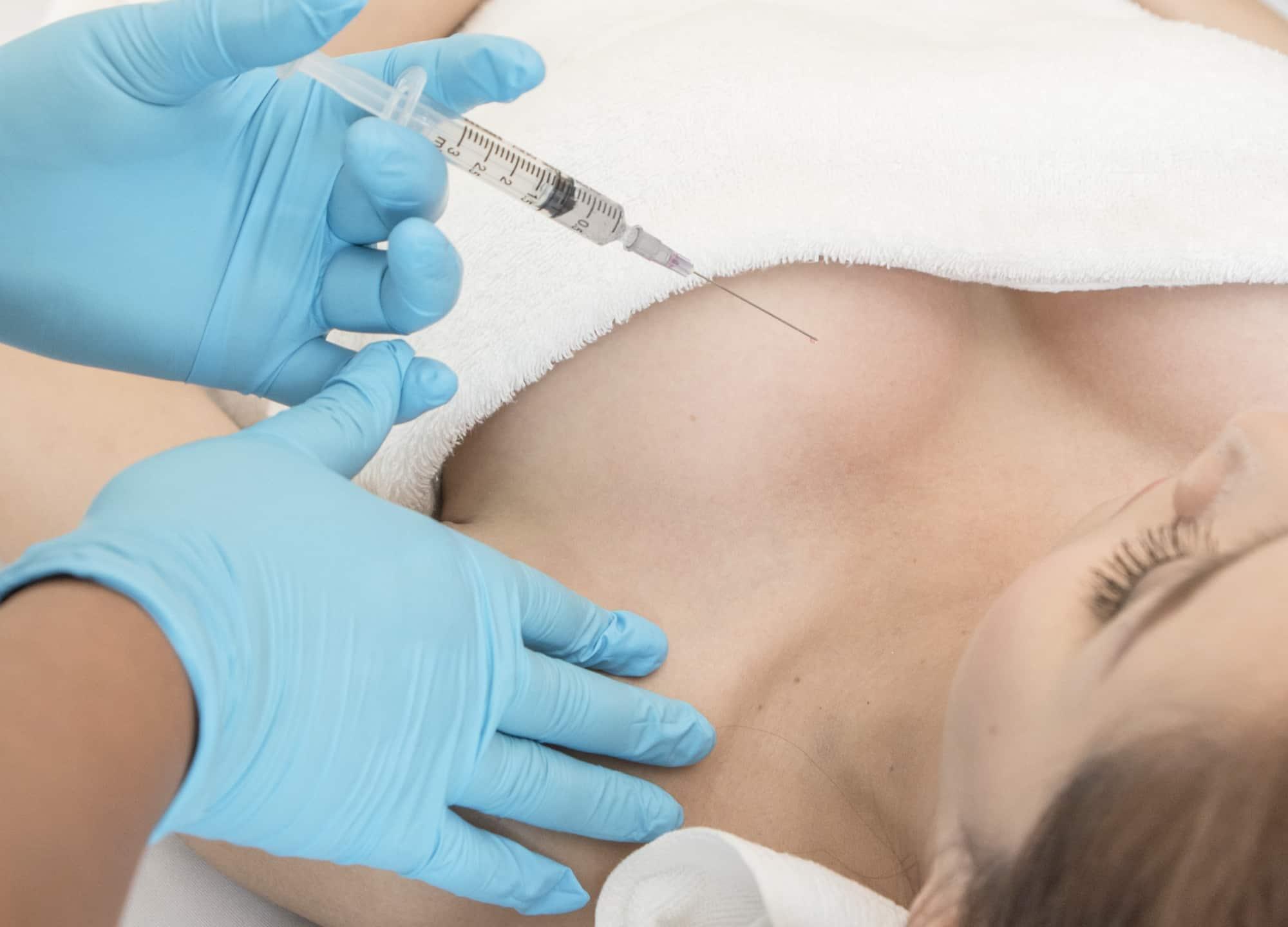

Breast contouring focuses on improving the appearance, shape, and proportions of the breasts. People researching Breast Filler Injections in Dubai may wonder whether injectable treatments can create smoother contours or improve uneven areas. Although some cosmetic advertisements promote fillers for breast enhancement, many injectable products are not approved or established for use in breast tissue. Understanding the available medical options and their limitations is essential before considering any procedure.
What Is Breast Contouring?
Breast contouring refers to procedures intended to change or improve the appearance of the breasts. Depending on individual goals, this may involve addressing differences in volume, breast position, shape, or natural asymmetry.
Some people want a fuller appearance, while others may be concerned about sagging, unevenness, or changes following pregnancy or weight fluctuations. The appropriate approach depends on the underlying concern and the individual's anatomy.
Can Injectable Fillers Improve Breast Contours?
Breast Augmentation Lab
Breast Augmentation Lab provides educational information about breast enhancement procedures, cosmetic treatment considerations, and the importance of understanding medical safety.
Injectable fillers are sometimes advertised as a non-surgical way to change breast appearance. However, products designed for facial treatments are not automatically suitable for breast tissue, and many fillers are not approved or established for breast contouring.
Using unsuitable substances can lead to infection, inflammation, painful lumps, migration, tissue damage, and difficulties with future breast imaging. Patients should not assume that an injectable treatment is safe simply because it does not involve traditional surgery.
What Factors Influence Breast Shape?
Natural breast shape is influenced by several anatomical factors. These include breast tissue distribution, skin elasticity, chest wall structure, breast spacing, and nipple position.
Ageing, pregnancy, breastfeeding, and changes in body weight can also affect breast appearance. Because these factors vary between individuals, the same cosmetic procedure may produce different outcomes.
A qualified specialist should assess these characteristics before discussing possible treatment options.
What Medical Options Are Available for Breast Contouring?
Depending on the patient's concerns, a qualified plastic surgeon may discuss established procedures such as breast augmentation, breast lift, breast reduction, or fat transfer.
Breast augmentation may increase volume, while a breast lift focuses on improving breast position. Breast reduction may be considered when excessive volume is a concern.
Fat transfer involves collecting a patient's own fat through liposuction, processing it, and transferring it into selected breast areas. Some transferred fat may not survive, and possible complications include fat necrosis, oil cysts, calcifications, infection, and uneven contours.
Each procedure has its own risks, limitations, and recovery requirements.
Can Breast Contouring Improve Asymmetry?
Breast asymmetry is common and can involve differences in volume, shape, position, or nipple placement. The appropriate treatment depends on the specific cause of the uneven appearance.
A specialist may discuss different approaches for addressing asymmetry, but complete symmetry cannot always be guaranteed. Patients should understand that natural anatomical differences may remain after treatment.
Any sudden change in breast shape or size should be medically assessed before considering cosmetic correction.
Why Is Product Approval Important?
Before considering an injectable product, patients should ask whether it is specifically authorized for breast use by the relevant regulatory authority.
Approval for facial wrinkles or other cosmetic applications does not establish safety for breast injections. Permanent fillers and non-medical substances, including industrial silicone, should never be injected into breasts for cosmetic enhancement.
Patients should also ask whether a proposed material could complicate future mammograms, ultrasound examinations, or other breast imaging.
How Can You Choose an Appropriate Treatment?
The first step is to identify the specific concern and discuss it with a qualified plastic surgeon. Patients should explain their expectations, medical history, previous procedures, and any existing breast symptoms.
A reliable specialist should explain the benefits and limitations of medically appropriate options, possible complications, recovery requirements, and long-term considerations. Treatment decisions should be based on medical assessment rather than advertising claims.
Final Thoughts
Breast contouring involves more than simply adding volume, as natural anatomy, breast position, and tissue distribution all influence the final appearance. Although injectable fillers may be promoted for cosmetic breast enhancement, many are not approved or established for this purpose and can carry significant risks. Patients should discuss medically appropriate alternatives with a qualified specialist and verify the regulatory status of any proposed product. Anyone researching Breast Filler Injections Dubai should prioritize breast health, safety, and realistic treatment expectations.
