

What Happens During an Endolift Suitability Assessment at Tajmeels Clinic?

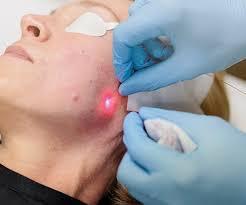
Endolift in Dubai is a minimally invasive aesthetic treatment designed to address concerns such as skin laxity, reduced facial definition, and mild to moderate sagging. It uses laser energy delivered beneath the skin through a very fine optical fibre to support tissue remodelling and stimulate collagen production. However, not everyone is automatically a suitable candidate. A professional assessment is an important first step in determining whether this treatment matches an individual's skin condition, aesthetic goals, and expectations.
At Tajmeels Clinic, an Endolift suitability assessment focuses on understanding each patient's concerns and evaluating the areas they wish to improve. This process helps establish whether Endolift is an appropriate option or whether another treatment approach may be more suitable.
Understanding the Patient's Aesthetic Concerns
The assessment usually begins with a discussion about the patient's main concerns. Some individuals want to improve loose skin around the jawline, while others are concerned about early jowls, reduced cheek definition, or skin laxity around the neck.
Understanding these concerns helps the practitioner identify the areas that require attention. Patients may also explain when they first noticed changes in their skin and whether these changes have progressed over time.
A clear discussion of aesthetic goals is important because Endolift is not intended to produce the same outcome for everyone. Treatment planning should reflect individual facial features, skin condition, and realistic expectations.
Evaluating Skin Quality and Elasticity
Skin quality is an important consideration when determining Endolift suitability. During the assessment, the practitioner may examine skin firmness, elasticity, thickness, and the degree of visible laxity.
Skin naturally changes with age as collagen and elastin production gradually decline. These changes can contribute to wrinkles, reduced firmness, and less defined facial contours.
Individuals with mild to moderate skin laxity may be considered for Endolift, depending on their overall condition. However, significant skin excess or advanced sagging may require a different approach.
Evaluating skin elasticity helps the practitioner understand how the treatment may perform and whether the patient's concerns fall within its intended treatment scope.
Examining Facial Structure and Treatment Areas
Another important part of the assessment involves examining the facial or body areas the patient wants to address.
Depending on individual needs, Endolift may be considered for areas such as:
-
Lower cheeks and jawline
-
Early jowl formation
-
Under-chin fullness
-
Neck laxity
-
Selected areas of the lower face
The practitioner considers facial proportions, tissue distribution, and the location of concerns before deciding whether treatment is appropriate.
For example, someone experiencing reduced jawline definition may have skin laxity, localised fat deposits, or a combination of both. Identifying the underlying concern helps prevent unrealistic treatment expectations.
Reviewing Medical History and Previous Treatments
A suitability assessment should also include a review of relevant medical history. Patients may be asked about existing medical conditions, medications, allergies, previous cosmetic procedures, and any history of skin-related concerns.
Previous aesthetic treatments can be particularly relevant because they may influence treatment planning. Patients should mention procedures such as fillers, laser treatments, skin tightening procedures, or facial surgery.
The practitioner may also need to identify factors that could increase treatment risks or affect healing. Depending on the patient's circumstances, certain medical conditions, active infections, or other contraindications may make treatment unsuitable or require additional evaluation.
Providing accurate information during this stage supports safer clinical decision-making.
Discussing Expected Results and Treatment Limitations
An essential part of Endolift assessment is understanding what the treatment can realistically achieve.
Endolift uses laser energy to interact with tissue beneath the skin. Its intended effects include supporting collagen remodelling, improving skin firmness, and addressing selected areas of localised fat.
However, results depend on several factors, including:
-
Individual skin elasticity
-
Age-related tissue changes
-
Treatment area and condition
-
Existing skin laxity
-
Individual healing response
Patients should understand that Endolift is not equivalent to a surgical facelift. It cannot reliably correct significant excess skin or replace surgical procedures when substantial tissue repositioning is required.
Discussing these limitations helps patients make informed decisions rather than expecting identical results to those seen in advertisements or photographs.
Understanding Potential Risks and Recovery
Before recommending treatment, the practitioner should explain possible side effects and recovery considerations.
Temporary swelling, bruising, tenderness, redness, and discomfort may occur after Endolift. Less common but more serious complications can include burns, infection, nerve injury, irregular contours, or unwanted tissue changes.
Patients should have an opportunity to ask questions about these risks, aftercare instructions, recovery expectations, and when normal activities can be resumed.
A thorough discussion also helps determine whether the patient can follow the recommended aftercare guidance.
Developing an Individualised Treatment Plan
Once the examination and medical history review are complete, the practitioner can discuss the most appropriate next steps.
If Endolift appears suitable, the treatment plan may identify the areas to be addressed, the expected approach, preparation requirements, and follow-up arrangements. If the treatment is not appropriate, alternative options may be discussed according to the patient's concerns.
The goal is not simply to recommend a procedure but to ensure that the selected approach is clinically appropriate and aligned with the patient's expectations.
Endolift Suitability Assessment at Tajmeels Clinic
At tajmeels clinic dubai, the Endolift suitability assessment focuses on individual skin concerns, facial structure, medical history, and desired outcomes. Patients can discuss areas such as jawline definition, lower-face laxity, under-chin fullness, and neck firmness during their consultation. The clinical team can use this information to evaluate suitability, explain potential benefits and limitations, and discuss an appropriate treatment approach. This personalised assessment supports informed decisions and helps establish realistic expectations before proceeding with Endolift in Dubai.
Conclusion
An Endolift suitability assessment is an important step before considering laser-based skin tightening. It allows the practitioner to evaluate skin quality, facial anatomy, medical history, and aesthetic goals while identifying potential risks and treatment limitations. A personalised approach helps determine whether Endolift is appropriate or whether another option may better address the patient's concerns. Understanding the assessment process allows individuals to make informed decisions about their aesthetic treatment journey.
More Information
Tajmeels Clinic Dubai
WhatsApp: +971 56 203 8751
Phone: tel:+971 43739000
Social Media:
