

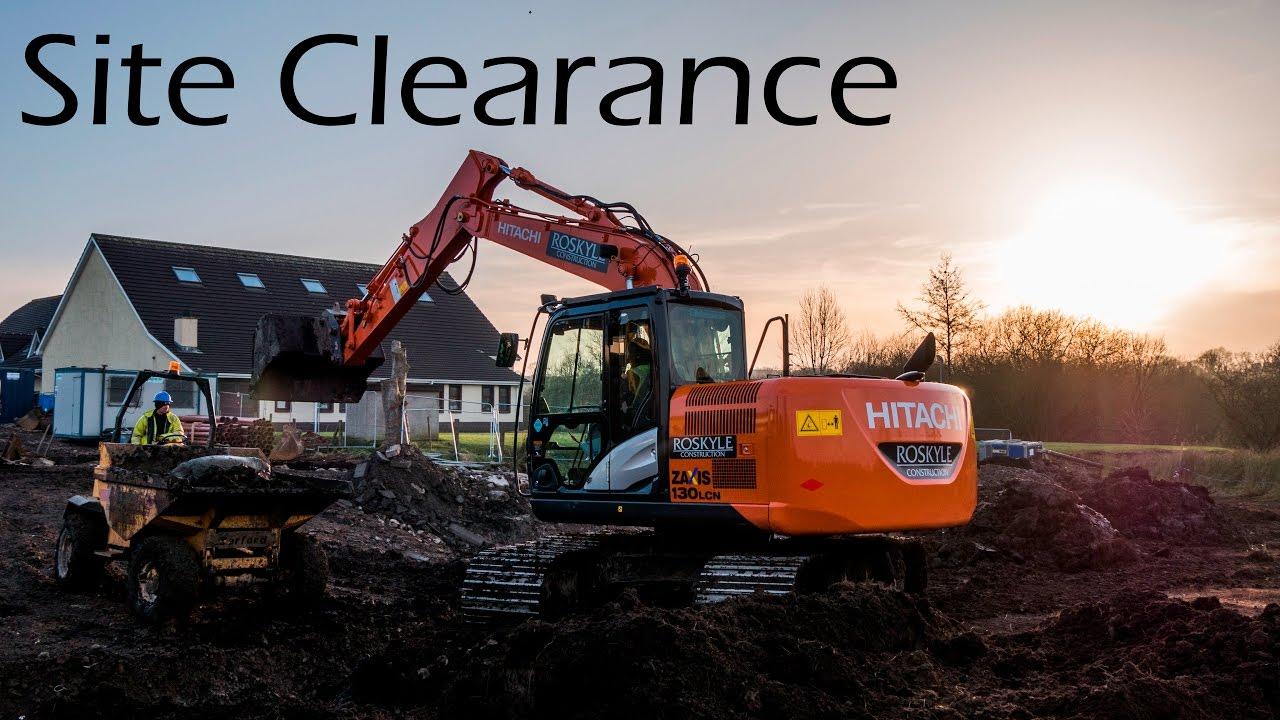
Site Clearance Yorkshire: Professional Land Preparation for Construction Projects

Preparing land for a construction project involves much more than removing visible rubbish. Before builders can begin laying foundations, installing infrastructure or developing new properties, the site needs to be assessed and made suitable for the work ahead. Unwanted vegetation, old structures, construction debris and accumulated waste can all create obstacles that affect safety, access and project planning.
Professional Site Clearance Yorkshire services help property owners, developers and construction companies prepare land in a structured and practical way. Whether the project involves a small residential plot or a larger commercial development, effective preparation can create a more organised starting point for the next stage.
Understanding the Purpose of Professional Land Preparation
Every development site has its own requirements. Some plots may be unused for several years and covered with vegetation, while others may contain remnants of previous buildings, discarded materials or unwanted structures.
The purpose of land preparation is to identify these obstacles and deal with them appropriately. This can include removing general waste, clearing suitable vegetation, collecting loose construction materials and arranging the removal of unwanted items.
A properly prepared site also makes it easier for contractors to understand the available working area. They can assess access routes, identify areas requiring further investigation and plan where machinery and construction materials should be positioned.
It is important to remember that clearance does not automatically mean the land is ready for foundations. Surveys, excavation, ground stabilisation and other specialist work may still be necessary depending on the project's design.
Initial Site Inspection and Project Assessment
An effective clearance project should begin with an assessment of the land. This helps establish the type of work required and reduces the possibility of unexpected problems once operations begin.
The inspection should consider the site's size, current condition and previous use. It should also identify the approximate quantity of waste, the presence of existing structures and any restrictions affecting access.
For example, a residential plot between neighbouring properties may have limited space for machinery. A commercial development near a main road may require careful vehicle scheduling and additional access arrangements.
Ground conditions are another important consideration. Uneven surfaces, soft soil, standing water and steep slopes can influence how equipment is used. Identifying these issues early helps contractors select an appropriate working method.
Where the site has a history of industrial use, environmental checks may be needed before soil or other materials are disturbed.
Common Land Preparation Activities
The work involved depends on the property's condition and the intended development. Typical activities may include:
- Removing general rubbish and discarded materials.
- Clearing suitable shrubs, branches and unwanted vegetation.
- Collecting loose bricks, concrete and rubble.
- Removing old timber, fencing and broken fixtures.
- Clearing accessible construction waste.
- Organising suitable materials for collection and disposal.
- Improving access to designated working areas.
Some sites may also require the removal of small unwanted structures. This work should be assessed carefully to establish whether demolition expertise, structural checks or additional permissions are required.
The clearance provider should explain exactly what is included in the agreed work. This helps prevent confusion between waste removal, demolition, excavation and final ground preparation.
Selecting Suitable Machinery and Equipment
Choosing the correct equipment can make a significant difference to the efficiency of a project. The decision should be based on the materials involved, the layout of the site and the available access.
Smaller areas may be cleared using manual methods and suitable collection vehicles. Larger projects could require excavators, loading equipment or specialist machinery to move heavier materials.
Grab lorries can be useful for collecting certain loose materials where the vehicle can be positioned safely and its loading arm can reach the collection point. However, they are not suitable for every type of waste or site layout.
Overhead cables, narrow entrances, soft ground and nearby buildings must be considered before machinery arrives. Good planning helps reduce the risk of damage and unnecessary disruption.
Waste Segregation and Environmental Responsibility
Construction sites can generate several different categories of waste. Treating everything as general rubbish may result in missed recycling opportunities or inappropriate disposal.
Where practical, materials should be separated according to their type. Metal, timber, concrete, soil and green waste may have different recovery or disposal options.
The condition and classification of each material matter. For instance, soil from a potentially contaminated site should not automatically be treated as ordinary clean soil. It may need testing and specialist management.
In England, waste producers and handlers have legal responsibilities concerning waste storage, transfer and disposal. Businesses should use appropriately authorised waste carriers and retain the relevant documentation where required.
Responsible waste management supports environmental protection and helps demonstrate that the project has considered its legal obligations.
Creating a Safer Working Environment
An uncleared construction site can contain hazards that are difficult to identify. Sharp objects, broken glass, exposed metal and unstable debris may create risks for workers and visitors.
Vegetation can also conceal holes, uneven surfaces or discarded materials. Clearing these areas improves visibility and makes it easier to establish safe movement routes.
However, site clearance should form part of a wider health and safety plan. Contractors must continue to assess risks associated with machinery, lifting operations, underground services and remaining structures.
If asbestos or another hazardous substance is suspected, work should stop in the affected area until suitable assessment and specialist arrangements have been made.
Coordinating Clearance with the Construction Schedule
Timing is an important part of project preparation. Clearance should be coordinated with surveys, demolition activities, deliveries and the arrival of construction teams.
If the work is completed too early, the land may become obstructed again through unauthorised dumping or additional activity. If it is delayed, other contractors may be unable to start on schedule.
Larger developments may benefit from phased clearance. Preparing one section at a time can help maintain access and allow different parts of the project to progress in an organised sequence.
Project managers should agree on the scope, access requirements and expected completion dates before work begins.
Choosing a Professional Clearance Provider
When comparing contractors, consider their experience, equipment, insurance and approach to waste management. A written quotation should explain the work included and identify any potential additional charges.
Ask which materials can be collected, whether loading is included and what happens if the actual waste quantity differs from the estimate. It is also useful to confirm whether specialist services are needed for any unusual materials.
A reliable provider should communicate clearly and explain any limitations before the work is arranged.
About mljgrabhire
Customers considering mljgrabhire for a construction preparation project should discuss the site's condition and requirements directly with the company. Ask about currently available clearance and collection services, accepted waste types, equipment options and pricing. It is also important to confirm access arrangements and establish whether any materials require specialist handling outside the agreed service.
Conclusion
Professional land preparation is an important part of organising a construction project. Removing unwanted materials, improving access and identifying potential hazards can help create a more suitable working environment.
With a clear assessment, appropriate equipment and responsible waste management, Site Clearance Yorkshire projects can be planned more effectively. Taking the time to prepare land properly gives developers and contractors a stronger starting point for the work that follows.
