

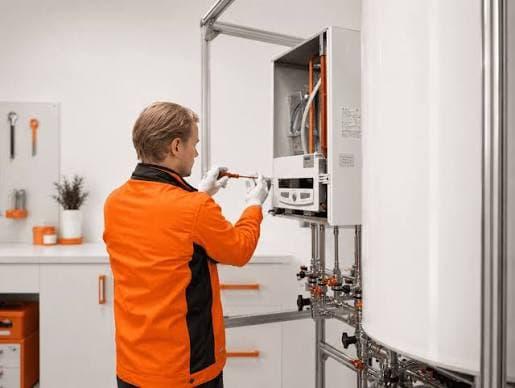
Gas Boiler Repair Near Me: A Complete Guide to Reliable Boiler Repairs and Home Heating Safety
A properly functioning gas boiler is essential for maintaining a comfortable, warm, and energy-efficient home. Whether you rely on your boiler for central heating, hot water, or both, an unexpected breakdown can quickly become inconvenient, particularly during colder months. From unusual noises and water leaks to heating failures and inconsistent water temperatures, boiler problems should never be ignored. Understanding the causes of these issues and knowing when to seek professional assistance can help homeowners avoid unnecessary disruption and expensive repairs.
Searching for gas boiler repair near me is often the first step when a heating system stops working or begins showing signs of trouble. However, choosing a qualified professional involves more than simply finding someone who can attend quickly. It is important to consider technical expertise, relevant gas safety qualifications, transparent pricing, and the quality of the repair service.
This guide explains common gas boiler problems, how professional repairs work, important safety precautions, and what homeowners should consider when choosing a reliable heating engineer. It also explores practical maintenance measures that can help extend boiler lifespan and improve overall performance.
Understanding How a Gas Boiler Works
A gas boiler is a heating appliance that uses natural gas to heat water for domestic heating and hot water supplies. Modern boilers are designed to operate efficiently, providing consistent warmth while managing fuel consumption.
Most residential gas boilers contain several essential components that work together to deliver heat.
Main Components of a Gas Boiler
Understanding the basic components can help homeowners recognise potential problems.
· Heat exchanger: Transfers heat generated by burning gas to the water circulating through the heating system.
· Burner: Combusts gas to produce the heat required for the system.
· Pump: Circulates heated water through radiators and heating pipes.
· Expansion vessel: Accommodates changes in water volume as the system heats and cools.
· Pressure sensor: Monitors system pressure and helps protect the boiler.
· Control board: Coordinates different boiler functions and manages its operation.
· Thermostat: Regulates heating temperatures according to household requirements.
When one or more components malfunction, the boiler may become inefficient, display an error code, or stop operating altogether. Professional inspection helps identify the underlying problem rather than simply addressing its visible symptoms.
Common Signs That Your Gas Boiler Needs Repair
Boiler problems can develop gradually or appear suddenly. Recognising early warning signs can help prevent further damage and improve household safety.
1. No Heating or Hot Water
One of the most noticeable boiler problems is the sudden loss of heating or hot water. This issue can result from several faults, including a malfunctioning thermostat, pump failure, faulty diverter valve, or problems with the boiler's electrical supply.
Although checking the thermostat settings may help identify a simple issue, persistent heating failures require professional investigation.
2. Unusual Boiler Noises
Boilers generally produce some operational noise. However, loud banging, whistling, gurgling, or vibrating sounds may indicate an underlying fault.
Common causes include:
· Air trapped inside the heating system.
· Limescale accumulation within the heat exchanger.
· Poor water circulation.
· Pump-related problems.
· Excessive system pressure.
A qualified heating engineer can determine the source of the noise and recommend an appropriate repair.
3. Water Leaks Around the Boiler
Water collecting beneath or around a boiler should never be ignored. Leaks may originate from damaged seals, loose connections, corroded pipes, or faulty internal components.
In addition to damaging surrounding surfaces, continued water leakage can affect boiler pressure and heating performance. Professional attention is important to prevent the problem from becoming more serious.
4. Low or Fluctuating Boiler Pressure
Most domestic sealed heating systems operate within a manufacturer-specified pressure range. If the pressure repeatedly drops or rises unexpectedly, there may be an issue with the expansion vessel, pressure relief valve, or a leak somewhere in the system.
Repeatedly topping up the pressure without investigating the cause is not a reliable long-term solution.
5. Boiler Keeps Switching Off
A boiler that repeatedly switches itself off may be responding to an internal safety condition. Possible causes include overheating, insufficient water pressure, restricted circulation, sensor faults, or problems with the flue system.
Safety mechanisms should never be bypassed to keep a faulty boiler running.
Why Professional Gas Boiler Repairs Are Important
When a boiler develops a fault, professional diagnosis is essential. Gas appliances involve combustible fuel, electrical components, hot water, and pressurised systems. Incorrect repairs can create serious safety risks.
For homeowners searching for gas boiler repair near me, selecting a properly qualified heating engineer should be a priority.
Accurate Fault Diagnosis
A professional engineer uses appropriate diagnostic equipment and technical knowledge to identify the cause of a malfunction.
Rather than replacing components unnecessarily, the engineer can inspect relevant parts, examine fault codes, assess operating conditions, and determine which repairs are required.
Improved Heating Efficiency
Faulty components, restricted circulation, and poor system operation can affect heating efficiency. Correct repairs restore the boiler's intended operation and may help reduce unnecessary energy consumption.
Greater Household Safety
Gas appliances must operate safely. Professional engineers can assess relevant components, check for combustion-related problems, and identify conditions that require immediate attention.
In the UK, gas work must be carried out by an appropriately qualified Gas Safe registered engineer.
Reduced Risk of Further Damage
Ignoring minor faults can sometimes lead to more expensive problems. For example, an unresolved circulation issue may contribute to overheating, while a persistent leak can damage internal components.
Timely repairs help address problems before they develop into more complicated failures.
What Does a Professional Gas Boiler Repair Service Include?
A professional repair service generally follows a structured process to identify the problem, establish the appropriate solution, and verify that the appliance operates safely.
Initial Inspection and Assessment
The engineer begins by discussing the symptoms experienced by the homeowner. They may ask when the problem started, whether any error codes appeared, and whether the boiler has experienced similar issues previously.
The appliance and relevant heating components are then inspected.
Fault Identification and Diagnosis
Depending on the symptoms, the engineer may examine:
· Boiler pressure and operating temperature.
· Electrical connections and controls.
· Pump and circulation performance.
· Heat exchanger condition.
· Thermostat operation.
· Gas supply and relevant safety components.
· Flue and ventilation arrangements.
The inspection helps establish the likely cause of the malfunction.
Repair or Component Replacement
Once the fault has been identified, the engineer explains the recommended repair. Depending on the problem, this may involve adjusting controls, repairing connections, replacing a faulty component, or addressing circulation problems.
Homeowners should receive a clear explanation of the work required before proceeding.
Testing and Final Safety Checks
After completing the repair, the engineer carries out appropriate operational and safety checks. These help confirm that the appliance functions correctly and that the work has addressed the identified issue.
A reliable repair service should also explain any additional maintenance requirements or potential concerns.
How to Choose the Right Boiler Repair Specialist
Finding a dependable heating professional requires careful consideration. Not every repair provider offers the same level of technical expertise, availability, or customer service.
When evaluating gas boiler repair near me, consider the following factors.
Check Gas Safe Registration
In the UK, anyone carrying out gas work must be appropriately qualified and registered with Gas Safe Register.
Homeowners should:
· Check the engineer's Gas Safe registration.
· Verify that their qualifications cover the specific work required.
· Ask to see their Gas Safe ID card.
· Confirm the relevant categories of gas work they are authorised to undertake.
Registration helps homeowners establish whether an engineer is legally qualified to work on gas appliances.
Look for Relevant Experience
Experience with different boiler manufacturers and models can be valuable. Engineers familiar with modern condensing boilers, older heating systems, and common component failures may be better equipped to identify faults efficiently.
Ask whether the provider has experience with your particular boiler type.
Understand the Pricing Structure
Repair costs depend on the nature of the fault, replacement components, labour requirements, and appointment arrangements.
Before authorising work, ask for information about:
· Initial inspection or call-out charges.
· Labour costs.
· Replacement component prices.
· Additional charges for emergency appointments.
· Warranty arrangements for completed repairs.
Clear pricing helps homeowners make informed decisions.
Consider Customer Reviews
Customer feedback can provide useful information about punctuality, communication, workmanship, and overall service quality.
However, reviews should be considered alongside qualifications, experience, and transparent business practices rather than treated as the only measure of reliability.
Emergency Boiler Problems: What Should Homeowners Do?
Some boiler faults require immediate attention, particularly when there are signs of a possible gas leak or carbon monoxide exposure.
Recognising a Potential Gas Leak
Warning signs may include the smell of gas or an unusual hissing sound around gas pipes or appliances.
If you suspect a gas leak:
1. Turn off the gas supply at the meter if it is safe to do so.
2. Open doors and windows.
3. Avoid operating electrical switches or creating flames.
4. Leave the property if necessary.
5. Contact the National Gas Emergency Service in Great Britain on 0800 111 999.
Do not attempt to repair gas pipes or investigate the leak yourself.
Understanding Carbon Monoxide Risks
Carbon monoxide is a poisonous gas that cannot be seen, smelled, or tasted. Faulty or improperly maintained fuel-burning appliances can create dangerous exposure conditions.
Potential symptoms include headaches, dizziness, nausea, breathlessness, and confusion.
If carbon monoxide exposure is suspected, move outside into fresh air and seek urgent medical assistance. Contact emergency services where appropriate.
Installing a suitable carbon monoxide alarm and arranging regular professional boiler maintenance are important household safety measures.
How Much Does Gas Boiler Repair Cost?
The cost of a boiler repair varies according to the type of fault, appliance model, replacement parts, and labour involved.
Minor repairs may require relatively little work, while major component failures can involve higher expenses.
Factors That Influence Repair Costs
Type of fault: A faulty sensor may be less expensive to replace than a damaged heat exchanger.
Boiler age: Older appliances may require specialist components that are difficult or expensive to source.
Availability of replacement parts: Common components are generally easier to obtain than discontinued or manufacturer-specific parts.
Labour requirements: Complicated repairs may take longer and involve additional testing.
Emergency appointments: Out-of-hours or urgent attendance may involve higher charges.
Repair or Replace: Which Option Is Better?
Repairing an existing boiler may be appropriate when the appliance is relatively modern, the fault is straightforward, and replacement parts remain available.
However, replacing the boiler may be worth considering when:
· The appliance experiences repeated breakdowns.
· Major components have failed.
· Replacement parts are difficult to obtain.
· Repair costs are disproportionately high.
· The boiler is approaching the end of its expected working life.
A qualified heating engineer can assess the appliance and explain the advantages and disadvantages of both options.
Preventative Boiler Maintenance Tips
Regular maintenance can help identify developing problems and maintain reliable heating performance.
Arrange Annual Boiler Servicing
An annual service by a qualified professional helps assess the condition and operation of the appliance. The engineer can inspect relevant components, identify potential concerns, and carry out appropriate safety checks.
A boiler service is preventative maintenance and is not a substitute for repairing an existing fault.
Monitor Boiler Pressure
Check the pressure gauge periodically and compare the reading with the manufacturer's recommended operating range.
If pressure changes repeatedly, arrange a professional inspection instead of continually adjusting the system.
Keep Heating Controls in Good Condition
Thermostats and heating timers help regulate household temperatures. Incorrect settings, damaged controls, or faulty batteries can affect heating performance.
Checking these controls can help identify simple issues before arranging a repair appointment.
Avoid Blocking Ventilation Areas
Boiler ventilation and flue arrangements must remain unobstructed. Never cover ventilation openings or interfere with flue components.
If you notice damage or suspect an obstruction, contact a qualified professional.
Pay Attention to Unusual Changes
Unexpected noises, inconsistent heating, unusual smells, and repeated error messages should be investigated. Keeping a record of recurring symptoms can help an engineer diagnose the problem more efficiently.
Why Choose PGAD for Professional Boiler Assistance?
Choosing a dependable heating service provider is an important decision for homeowners who want reliable heating and peace of mind.
PGAD aims to support customers by providing professional assistance for boiler-related requirements. Whether a heating system develops an unexpected fault or begins showing signs of reduced performance, receiving appropriate technical guidance is essential.
Customers considering PGAD should look for clear communication, transparent repair recommendations, relevant technical qualifications, and appropriate safety procedures.
A professional approach should include understanding the customer's concerns, assessing the appliance, explaining the identified fault, and discussing suitable solutions before work begins.
Furthermore, homeowners should always verify the engineer's Gas Safe registration and relevant qualifications before authorising any gas-related work.
Frequently Asked Questions About Gas Boiler Repairs
1. How Do I Know If My Gas Boiler Needs Repair?
Common warning signs include no heating or hot water, unusual noises, water leaks, fluctuating pressure, repeated shutdowns, and persistent error codes. These symptoms should be investigated by a qualified heating engineer.
2. How Quickly Can a Boiler Be Repaired?
Repair times depend on the nature of the fault, the availability of replacement components, and the engineer's schedule. Simple repairs may be completed during the initial appointment, while more complicated problems may require additional visits.
3. Is It Safe to Use a Faulty Gas Boiler?
Not necessarily. Some faults can create serious safety risks, particularly those involving gas leaks, combustion problems, or suspected carbon monoxide exposure. Stop using the appliance if it appears unsafe and seek professional assistance.
4. Should I Repair or Replace an Old Boiler?
The decision depends on the boiler's condition, age, reliability, repair costs, and availability of replacement parts. A qualified engineer can assess whether repairing the appliance remains practical.
5. How Often Should a Gas Boiler Be Serviced?
An annual professional service is generally recommended for domestic gas boilers. Regular servicing helps identify potential problems and assess the appliance's operating condition.
6. Can Low Boiler Pressure Cause Heating Problems?
Yes. Insufficient pressure can prevent some sealed heating systems from operating correctly. Persistent pressure loss may indicate a leak or component fault that requires professional investigation.
7. Why Does My Boiler Keep Making Banging or Whistling Sounds?
Possible causes include trapped air, limescale accumulation, restricted circulation, or component problems. The exact cause should be established through a professional inspection.
Conclusion
A reliable gas boiler plays an important role in maintaining household comfort, providing hot water, and supporting efficient central heating. However, like any mechanical appliance, it can develop faults through normal wear, component failure, poor circulation, or insufficient maintenance.
Understanding common warning signs, arranging timely inspections, and choosing appropriately qualified professionals can help homeowners protect their heating systems and avoid unnecessary complications. When comparing gas boiler repair near me, prioritise Gas Safe registration, relevant experience, transparent pricing, and proper safety procedures rather than choosing a provider based solely on cost.
Regular servicing and responsible boiler maintenance can also improve reliability and help identify potential problems before they become serious. For homeowners seeking professional heating assistance, PGAD is a provider to consider when evaluating suitable boiler repair support. Always ensure that any gas-related work is completed by an appropriately qualified and registered engineer.
