

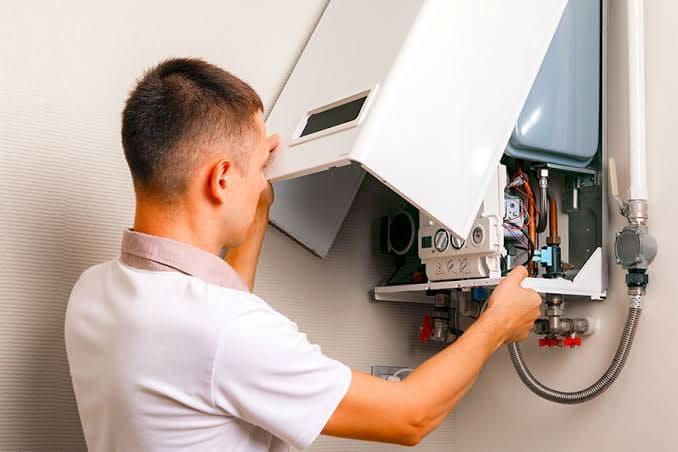
Boiler Installation Sheffield: A Complete Guide to Choosing and Installing the Right Boiler

Choosing a new boiler is an important investment for any homeowner. A reliable heating system provides consistent warmth, dependable hot water and improved energy efficiency throughout the year. However, selecting the right boiler involves more than simply choosing a model. Property size, household requirements, existing pipework, energy consumption and installation standards all play an important role in achieving the best results.
Professional boiler installation sheffield services help homeowners upgrade outdated heating systems, replace unreliable boilers and install energy-efficient solutions that meet their property's requirements. Whether you are renovating your home, experiencing frequent boiler breakdowns or looking to reduce heating costs, understanding the installation process can help you make an informed decision.
In this guide, we explore different boiler types, installation considerations, costs, efficiency improvements, safety requirements and the importance of choosing a qualified heating engineer. With the right information and professional support, homeowners can enjoy a comfortable, safe and efficient heating system for years to come.
Why Is Professional Boiler Installation Important?
A boiler is one of the most important appliances in a property because it supplies heating and hot water. Incorrect installation can lead to inefficient operation, unnecessary energy consumption, water leaks and potentially dangerous safety issues.
Professional installation ensures that the heating system is selected, fitted and tested according to the manufacturer's instructions and relevant UK safety requirements.
Improved Heating Efficiency
Modern boilers are generally more energy-efficient than older models. Replacing an outdated appliance can help reduce wasted energy and improve the overall performance of your central heating system.
A correctly installed boiler distributes heat more effectively, helping maintain comfortable indoor temperatures without unnecessary energy consumption.
Greater Reliability
An ageing boiler may experience repeated breakdowns, unusual noises, pressure problems and inconsistent heating. Although individual repairs can sometimes resolve these issues, frequent faults may indicate that replacement is a more practical long-term solution.
A professionally installed boiler can provide more dependable heating and reduce the inconvenience associated with recurring equipment failures.
Enhanced Household Safety
Gas boilers must be installed and maintained correctly to minimise potential hazards. Poor workmanship, incorrect ventilation and unsuitable flue arrangements can create serious risks.
A qualified Gas Safe registered engineer should carry out gas boiler installation and relevant gas work. Professional testing also helps confirm that the appliance operates safely before it is put into regular use.
Understanding Different Types of Boilers
Before arranging a new installation, it is essential to understand the main boiler options available. Each type has different advantages and is suitable for particular property layouts and household requirements.
Combi Boilers
Combination boilers, commonly known as combi boilers, provide central heating and hot water directly from one compact appliance.
They do not require a separate hot water cylinder or cold water storage tank, making them particularly suitable for properties with limited storage space.
Key advantages include:
· Compact design that saves space.
· Hot water supplied directly from the mains.
· No requirement for a separate hot water storage cylinder.
· Generally straightforward installation in suitable properties.
· Efficient operation when correctly sized and installed.
However, a combi boiler may not be the best option for households that regularly use multiple showers or hot water outlets simultaneously.
System Boilers
System boilers work with a separate hot water storage cylinder but incorporate many heating components within the boiler itself.
They are often suitable for medium-sized and larger homes where several people may need hot water at the same time.
Their main benefits include:
· Ability to supply multiple hot water outlets.
· Compatibility with suitable solar thermal systems.
· No requirement for a separate cold water storage tank.
· Consistent hot water availability from the storage cylinder.
The main consideration is that sufficient space is needed for the cylinder.
Regular Boilers
Regular boilers, sometimes called conventional or heat-only boilers, use a separate hot water cylinder and cold water storage tank.
They can be appropriate for traditional properties with existing heating systems that homeowners want to retain or upgrade.
Benefits include compatibility with certain older heating arrangements and the ability to provide stored hot water for larger households.
However, they generally require more installation space than combi boilers.
How to Choose the Right Boiler for Your Property
Selecting a suitable boiler requires an assessment of your home's heating and hot water requirements. Choosing an appliance based only on its price or brand may result in an unsuitable system.
Consider Your Property Size
The size and layout of your home influence the heating capacity required. A smaller property with one bathroom may have different requirements from a large family house with several bathrooms and radiators.
A heating engineer can assess the property's heat loss, radiator requirements and hot water demand before recommending an appropriate appliance.
Evaluate Household Hot Water Demand
Think about how many people live in your property and how frequently hot water is used.
For example, a household with several bathrooms may benefit from a system boiler with a suitably sized hot water cylinder. Meanwhile, a smaller household may find a combi boiler more practical.
Check Existing Pipework and Heating Equipment
The condition of your existing pipework, radiators, valves and heating controls can affect installation requirements.
Older systems may require additional work, such as pipework improvements, radiator replacements or system cleaning.
An initial assessment helps identify these requirements and reduces the likelihood of unexpected complications.
Compare Boiler Efficiency and Features
Look for modern appliances with suitable efficiency ratings, reliable manufacturer support and useful control options.
Features such as weather compensation, programmable thermostats and smart heating controls can improve comfort and help manage energy consumption.
The Boiler Installation Process Explained
Understanding the installation process helps homeowners prepare for the work and know what to expect from their heating engineer.
Professional boiler installation sheffield projects generally involve several important stages, although the exact process depends on whether the work involves a straightforward replacement or a completely new heating system.
1. Initial Property Assessment
The first stage involves inspecting the existing heating arrangement and understanding the property's requirements.
The engineer may assess:
· Existing boiler condition and location.
· Available gas supply and pipework.
· Hot water demand.
· Radiators and heating distribution.
· Flue positioning and ventilation.
· Available space for the replacement appliance.
This information helps determine which boiler type and capacity are appropriate.
2. Selecting the Appropriate Boiler
Once the assessment is complete, the engineer can recommend suitable boiler models.
Homeowners should consider the manufacturer's warranty, energy efficiency, installation requirements, servicing arrangements and availability of replacement parts.
Obtaining a clear quotation is also important. It should explain the equipment supplied, installation work, additional components and any excluded services.
3. Removing the Existing Boiler
For replacement installations, the old appliance must be safely disconnected and removed.
The engineer will isolate the relevant supplies, remove the existing boiler and prepare the installation area for the new equipment.
Where necessary, existing pipework and system components may also need attention.
4. Installing the New Appliance
The new boiler is positioned and connected according to manufacturer instructions and applicable safety standards.
This stage may involve adapting pipework, connecting heating circuits, installing appropriate controls and fitting the flue.
Correct positioning, secure connections and suitable system configuration are essential for safe and reliable operation.
5. Testing and Commissioning
After installation, the engineer carries out the required checks and commissioning procedures.
These may include checking gas pressure, combustion performance, water circulation, heating controls, flue integrity and system operation.
The homeowner should receive relevant documentation, operating instructions and information about ongoing maintenance.
How Much Does a New Boiler Installation Cost?
The cost of installing a boiler varies depending on the appliance, property requirements and complexity of the work.
There is no single price that applies to every household because different properties require different installation arrangements.
Factors That Influence Installation Costs
Several elements can affect the overall quotation.
Boiler type: Combi, system and regular boilers have different equipment and installation requirements.
Installation complexity: A straightforward replacement may cost less than relocating a boiler or installing a completely new heating arrangement.
Pipework modifications: Older properties may require additional pipework, valves or connections.
Additional equipment: New thermostats, filters, cylinders and heating controls can increase the total project cost.
System cleaning: Existing heating systems may require flushing or cleaning to remove accumulated debris and improve circulation.
Labour requirements: The time needed to complete the installation depends on the property's layout and the work involved.
Homeowners should compare detailed quotations rather than choosing a contractor based entirely on the lowest advertised price.
Boiler Installation Regulations and Safety Requirements
Gas heating work in the UK must comply with relevant legislation and safety requirements. Understanding these responsibilities helps homeowners protect their property and household.
Use a Gas Safe Registered Engineer
Anyone undertaking gas boiler installation must have the appropriate Gas Safe registration and qualifications for the work being performed.
Homeowners can verify an engineer's registration through the official Gas Safe Register.
It is also sensible to check that the engineer holds the relevant qualifications for the specific appliance and installation involved.
Follow Manufacturer Instructions
Every boiler has specific installation and operating requirements. Following the manufacturer's instructions helps ensure the appliance functions correctly and maintains its warranty conditions.
Obtain Relevant Documentation
After installation, homeowners should receive appropriate commissioning and warranty documentation. Where required, the installation must also be notified through the applicable building regulations compliance process.
Keeping these documents provides useful evidence of the work completed and helps with future servicing.
Signs That Your Existing Boiler May Need Replacing
Not every boiler problem requires a complete replacement. However, certain warning signs suggest that homeowners should arrange a professional inspection.
Frequent Breakdowns
Repeated repairs can become expensive and inconvenient. If faults continue occurring, an engineer can assess whether replacement offers better long-term value.
Increasing Energy Bills
An older or poorly maintained boiler may operate inefficiently. Although rising bills can have several causes, reduced heating efficiency may be one contributing factor.
Inconsistent Heating and Hot Water
Radiators that fail to heat properly, fluctuating water temperatures and slow hot water delivery can indicate problems with the boiler or wider heating system.
Unusual Noises
Banging, whistling, vibrating or gurgling noises should not be ignored. These sounds may indicate circulation problems, trapped air, component faults or limescale accumulation.
A qualified engineer can investigate the cause and recommend an appropriate solution.
Maintaining Your Boiler After Installation
A new boiler still requires regular maintenance to maintain its performance and safety.
Arrange Annual Boiler Servicing
An annual service allows a qualified engineer to inspect the appliance, assess its operation and identify potential problems.
Regular servicing can help maintain efficiency and detect developing faults before they become more serious.
Monitor Boiler Pressure
Homeowners should familiarise themselves with the manufacturer's recommended operating pressure.
If pressure repeatedly drops or rises beyond the recommended range, professional investigation may be necessary.
Keep Heating Controls Properly Configured
Programmable thermostats and heating schedules can help maintain comfortable temperatures while avoiding unnecessary heating.
Adjusting controls according to household routines may also help manage energy use.
Maintain Radiators and Heating Components
Radiators should heat evenly and operate without unusual noises or persistent cold areas.
If circulation problems occur, a heating engineer can inspect the system and determine whether balancing, bleeding or cleaning is necessary.
Why Choose Experienced Local Heating Professionals?
Choosing a knowledgeable local heating specialist can make the installation process easier and more straightforward.
Experienced professionals understand the importance of assessing individual property requirements instead of recommending the same boiler solution to every customer.
FH Plumbing & Gas Installations can be considered when exploring professional heating and plumbing support in the Sheffield area. Homeowners should assess any prospective installer based on relevant Gas Safe registration, experience, transparent quotations, customer feedback and the quality of their installation process.
Before appointing a contractor, consider asking the following questions:
· Are you Gas Safe registered for the required work?
· Which boiler models would you recommend and why?
· Does the quotation include all necessary installation materials?
· Will the heating system be tested and commissioned?
· What warranty documentation will be provided?
· Is ongoing servicing available?
Clear communication and professional standards are important indicators of a reliable installation experience.
Frequently Asked Questions About Boiler Installation
How long does a new boiler installation take?
A straightforward boiler replacement may take approximately one day. However, relocating a boiler, changing boiler types or installing additional pipework can extend the project.
Which boiler is best for a small home?
A combi boiler is often suitable for smaller homes because it provides heating and hot water without requiring a separate storage cylinder. However, the final choice depends on water pressure, household demand and property characteristics.
Can I replace my old boiler with a different type?
Yes, changing from one boiler type to another is possible in many properties. However, the existing pipework, available space, hot water requirements and installation costs must be assessed first.
How often should a boiler be serviced?
Most manufacturers and heating professionals recommend an annual service. Regular maintenance helps identify faults, check safe operation and maintain appliance performance.
Is a new boiler more energy-efficient?
Modern boilers generally offer improved efficiency compared with older models. Actual savings depend on the previous appliance, property insulation, heating controls, installation quality and household usage.
Should I replace my boiler if it still works?
Not necessarily. A working boiler may continue to provide reliable service if it is safe and properly maintained. However, frequent repairs, poor performance and expensive replacement parts may make upgrading worth considering.
Conclusion
Installing a new boiler is an important decision that affects household comfort, energy consumption and long-term heating reliability. By understanding the different boiler types, assessing household requirements and choosing suitable equipment, homeowners can make more informed decisions about their heating systems.
Professional boiler installation sheffield services should always prioritise correct appliance selection, qualified workmanship, safety compliance and thorough commissioning. Equally important is maintaining the boiler through regular servicing and responsible use.
Whether you are replacing an outdated appliance or planning a completely new heating system, take time to compare options and request a detailed installation assessment. FH Plumbing & Gas Installations is a name homeowners can consider when researching local plumbing and heating support. Ultimately, choosing a suitably qualified and experienced installer is the foundation of a safe, efficient and dependable heating system.
