

Commercial Deep Cleaning: A Complete Guide to Maintaining a Cleaner, Healthier and More Professional Workplace
A clean and hygienic workplace is essential for creating a positive business environment. Whether you operate an office, restaurant, retail store, warehouse, educational facility or commercial property, maintaining high standards of cleanliness helps protect employees, customers and visitors. While regular cleaning is important for everyday maintenance, it may not always be sufficient to remove deeply embedded dirt, stubborn stains, accumulated grease and hidden bacteria. This is where commercial deep cleaning becomes particularly valuable.
Businesses often experience heavy daily foot traffic, which can cause dust, grime and contaminants to build up in areas that routine cleaning might overlook. Over time, these issues can affect indoor air quality, workplace hygiene and the overall appearance of a property. A comprehensive cleaning programme addresses these concerns by focusing on frequently used surfaces, difficult-to-reach spaces and neglected areas.
Understanding the importance of professional cleaning, the methods involved and the benefits it provides can help business owners make informed decisions about workplace maintenance. This guide explains everything businesses need to know about deep cleaning, including its processes, benefits, recommended frequency and the importance of choosing experienced cleaning professionals.
What Is Commercial Deep Cleaning?
Commercial deep cleaning is a comprehensive cleaning process designed to remove accumulated dirt, grease, dust, stains and other contaminants from business premises. Unlike routine cleaning, which generally focuses on visible surfaces and everyday maintenance, deep cleaning involves more detailed attention to different areas of a building.
The process may include cleaning floors, carpets, upholstery, washrooms, kitchens, windows, workstations, communal areas and other frequently used spaces. Professional cleaners use appropriate equipment, cleaning products and techniques to address different materials and levels of contamination.
Furthermore, deep cleaning can be adapted to the requirements of individual businesses. For example, a restaurant may need specialised kitchen degreasing, whereas an office may require detailed carpet cleaning, workstation sanitisation and washroom treatment.
How Is Deep Cleaning Different from Regular Cleaning?
Regular cleaning is generally performed daily or weekly to maintain basic cleanliness. Typical tasks include emptying bins, vacuuming floors, wiping desks and cleaning accessible surfaces.
Deep cleaning, however, is more intensive and focuses on areas that are not always included in everyday cleaning schedules.
The main differences include:
· Cleaning depth: Deep cleaning addresses stubborn dirt and accumulated grime.
· Specialised equipment: Professional machinery may be used for carpets, upholstery and hard floors.
· Detailed attention: Hidden corners, difficult-to-reach areas and neglected surfaces receive additional attention.
· Hygiene improvement: Appropriate cleaning and disinfection procedures help reduce harmful microorganisms.
· Comprehensive coverage: More areas of the property are included in the cleaning process.
Consequently, both cleaning approaches are important for maintaining a professional commercial environment.
Why Is Deep Cleaning Important for Businesses?
Workplace cleanliness affects more than the appearance of a building. It also influences employee comfort, customer confidence, hygiene standards and the overall working environment.
Investing in commercial deep cleaning helps businesses address cleaning challenges that develop through regular workplace activities.
1. Creates a Healthier Working Environment
Offices and commercial buildings can collect dust, allergens, food particles and other contaminants. These substances may accumulate in carpets, upholstery, ventilation grilles and less accessible areas.
Thorough cleaning helps remove accumulated debris and improve the general cleanliness of indoor spaces. Additionally, cleaning frequently touched surfaces using suitable products can support better workplace hygiene.
Although cleaning cannot eliminate every health risk, maintaining hygienic surroundings is an important part of responsible facility management.
2. Improves Employee Comfort and Productivity
Employees spend considerable time inside commercial premises. An untidy or poorly maintained workplace can create discomfort and negatively influence their working experience.
Clean desks, fresh-smelling rooms, hygienic washrooms and well-maintained floors contribute to a more pleasant atmosphere.
Moreover, employees are more likely to feel comfortable and motivated when their organisation takes workplace cleanliness seriously.
3. Creates a Positive Impression on Customers
First impressions matter in business. Customers visiting an office, showroom, restaurant or retail premises often notice the condition of the surroundings.
Dirty floors, stained carpets, unpleasant odours and neglected washrooms can damage a company's professional image.
In contrast, a well-maintained property communicates attention to detail, professionalism and consideration for visitors.
4. Helps Protect Commercial Furniture and Equipment
Dirt, dust and abrasive particles can gradually affect furniture, flooring and other workplace assets.
For instance, accumulated dirt can contribute to carpet deterioration, while grease and unsuitable cleaning chemicals may damage certain surfaces.
Regular professional maintenance helps preserve materials and may reduce the need for premature replacements.
5. Supports Better Workplace Hygiene Standards
Different commercial environments have different hygiene requirements. Restaurants, healthcare facilities, educational buildings and food preparation areas may require additional cleaning precautions.
A structured cleaning programme helps businesses identify important hygiene priorities and establish suitable procedures.
However, cleaning requirements should always reflect the relevant industry regulations and risk assessments.
What Does a Professional Deep Cleaning Service Include?
The exact tasks depend on the property's size, condition and business activities. Nevertheless, a comprehensive cleaning service may cover several important areas.
Office and Workplace Cleaning
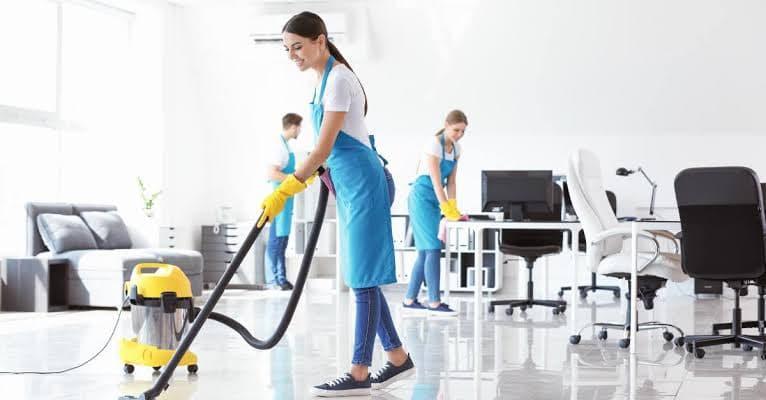
Offices contain multiple surfaces that are used throughout the working day. Desks, chairs, keyboards, meeting tables and communal facilities can collect dust and everyday dirt.
Professional office deep cleaning may include:
· Detailed cleaning of desks and workstations.
· Wiping suitable office equipment and furniture.
· Cleaning skirting boards and accessible fixtures.
· Vacuuming carpets and upholstery.
· Cleaning meeting rooms and reception areas.
· Removing dust from accessible surfaces.
· Cleaning internal glass and partitions.
· Sanitising appropriate frequently touched surfaces.
These tasks help maintain a more organised and hygienic working environment.
Commercial Kitchen Cleaning
Commercial kitchens require particular attention because grease, food residue and moisture can accumulate quickly.
A thorough kitchen cleaning programme may involve:
· Degreasing suitable cooking surfaces.
· Cleaning worktops and preparation areas.
· Removing food residue from accessible equipment.
· Cleaning sinks and taps.
· Washing floors using appropriate products.
· Cleaning cupboard exteriors.
· Addressing grease deposits in designated areas.
· Cleaning accessible wall surfaces and splashbacks.
Importantly, specialist extraction systems, commercial ventilation equipment and fire suppression systems may require separate qualified maintenance.
Carpet and Upholstery Cleaning
Carpets and upholstered furniture can trap dust, allergens, spills and unpleasant odours. Routine vacuuming removes loose debris but may not address deeper contamination.
Professional carpet and upholstery cleaning techniques may include hot water extraction, low-moisture cleaning or other material-appropriate methods.
Before cleaning, professionals should assess the fabric, identify stains and select suitable products to avoid unnecessary damage.
Washroom and Toilet Cleaning
Commercial washrooms require consistent attention because they experience frequent use throughout the day.
A detailed cleaning service may include:
· Cleaning and disinfecting toilets and urinals.
· Washing sinks, taps and basins.
· Cleaning mirrors and glass surfaces.
· Removing soap residue and limescale.
· Washing floors and accessible wall surfaces.
· Cleaning dispensers and frequently touched fixtures.
· Emptying waste bins.
· Checking general cleanliness and replenishing agreed supplies.
Maintaining these areas is particularly important for employee comfort and visitor satisfaction.
Floor and Hard Surface Cleaning
Different flooring materials require different cleaning approaches. For example, tiled floors, vinyl, natural stone and hardwood should not necessarily be treated with the same products.
Professional cleaners assess the flooring material before choosing appropriate methods.
Depending on the surface, services may include machine scrubbing, stain removal, polishing and suitable protective treatments.
How Often Should Commercial Premises Be Deep Cleaned?
There is no universal schedule because cleaning requirements depend on several factors, including business type, foot traffic, property size and daily activities.
Nevertheless, businesses can use the following general guidance when developing a cleaning schedule.
|
Commercial environment |
Suggested deep cleaning frequency |
|
Standard office |
Every 3–6 months |
|
Retail premises |
Every 1–3 months |
|
Restaurants and commercial kitchens |
Monthly or more frequently where necessary |
|
Educational facilities |
Every term or according to usage |
|
Warehouses |
Every 3–6 months, depending on operations |
|
Shared commercial buildings |
According to occupancy and maintenance requirements |
These are general planning suggestions rather than mandatory industry standards. High-risk environments and areas with specific hygiene requirements may need more frequent specialist cleaning.
Factors That Influence Cleaning Frequency
Several considerations can help determine an appropriate schedule:
Foot traffic: Buildings with many daily visitors generally accumulate dirt more quickly.
Business activities: Food preparation, manufacturing and healthcare-related activities may create additional cleaning requirements.
Property size: Larger premises require more time and planning to clean thoroughly.
Seasonal conditions: Wet weather can increase the amount of mud, moisture and debris entering buildings.
Existing maintenance: Properties with consistent daily cleaning may require less intensive intervention than neglected premises.
How to Choose a Reliable Commercial Cleaning Company
Choosing the right cleaning provider is important because professional standards, cleaning methods and service quality can vary.
Before appointing a contractor, businesses should consider the following factors.
Check Experience and Professional Expertise
Look for a company with relevant experience in commercial environments. Cleaning an office requires different considerations from maintaining a restaurant, warehouse or educational building.
Ask about previous projects, staff training and experience with the types of surfaces and facilities found on your premises.
Review Cleaning Methods and Equipment
A reliable provider should understand which products and techniques are appropriate for different materials.
Ask whether the company uses professional cleaning machinery, suitable disinfectants and industry-appropriate procedures.
Additionally, confirm that products are used according to manufacturer instructions and relevant safety guidance.
Check Insurance and Health and Safety Procedures
Commercial cleaning involves equipment, chemicals and potentially hazardous working conditions.
Businesses should check whether their cleaning contractor has appropriate insurance and documented health and safety procedures.
Staff should also understand chemical handling, personal protective equipment and safe working practices.
Request a Clear Cleaning Plan
Before work begins, establish which areas will be cleaned and what tasks are included.
A written cleaning checklist helps prevent misunderstandings and makes it easier to evaluate service quality.
Businesses should also discuss working hours, access arrangements, special requirements and any areas that need additional attention.
Compare Service Quality Rather Than Price Alone
Choosing the cheapest cleaning provider may not always deliver the best long-term value.
Instead, compare the scope of work, experience, equipment, staff training and quality assurance procedures.
A professional provider should explain what is included in the quotation and identify any additional services that may involve separate charges.
The Importance of Sustainable Cleaning Practices
Modern businesses are increasingly interested in maintaining cleaner premises while reducing unnecessary environmental impact.
Professional cleaning providers can support these objectives through responsible product selection and efficient working methods.
Examples include:
· Using concentrated cleaning products where appropriate.
· Reducing unnecessary water consumption.
· Selecting suitable lower-impact cleaning solutions.
· Using reusable cleaning materials where hygienically appropriate.
· Separating waste according to business requirements.
· Maintaining equipment to improve efficiency.
· Following correct chemical storage and disposal procedures.
However, environmentally preferable products must still be suitable for the cleaning task. Effective hygiene and surface compatibility should remain important considerations.
Why Professional Cleaning Is a Valuable Business Investment
Professional cleaning should be viewed as part of an overall property maintenance strategy rather than simply an occasional expense.
A properly planned cleaning programme can help businesses maintain attractive premises, protect valuable furnishings and address hygiene concerns before they become more difficult to manage.
For example, regular carpet maintenance may help prevent excessive dirt accumulation, while periodic kitchen degreasing can address deposits that routine cleaning might miss.
Similarly, maintaining washrooms, communal areas and reception spaces helps create a consistent standard throughout the property.
Businesses looking for dependable cleaning support can consider SPARKLING CLEAN MANCHESTER LTD for professional cleaning solutions tailored to different commercial environments. Selecting services according to the property's specific requirements can help ensure that important areas receive appropriate attention.
Preparing Your Workplace for a Deep Cleaning Appointment
Good preparation makes the cleaning process more efficient and helps minimise disruption to normal business operations.
Before the cleaning team arrives, consider these practical steps:
1. Remove personal belongings: Encourage employees to clear unnecessary items from desks and shared workspaces.
2. Secure important documents: Store confidential paperwork and sensitive business materials safely.
3. Identify priority areas: Inform the cleaning provider about stubborn stains, spills or neglected spaces.
4. Discuss access arrangements: Confirm which rooms and facilities need to be available.
5. Protect valuable equipment: Follow manufacturer guidance when preparing computers, machinery and electrical equipment.
6. Arrange suitable timings: Schedule intensive cleaning outside busy working hours whenever possible.
7. Communicate special requirements: Explain any material sensitivities, restricted areas or safety considerations.
These preparations help cleaning professionals work systematically while reducing interruptions to employees and customers.
Frequently Asked Questions About Commercial Deep Cleaning
What is included in a commercial deep cleaning service?
A professional service may include detailed floor cleaning, carpet treatment, upholstery cleaning, kitchen degreasing, washroom sanitisation, workstation cleaning and the removal of accumulated dust and grime. The exact scope depends on the property and the agreed cleaning specification.
How long does commercial deep cleaning take?
The duration depends on the size of the building, its condition, the number of cleaning professionals involved and the tasks required. A small office may take several hours, whereas a large commercial facility may require multiple days or scheduled cleaning sessions.
Is deep cleaning necessary if a workplace is cleaned every day?
Yes. Daily cleaning helps maintain general hygiene, but certain areas may still accumulate dirt, grease and debris over time. Periodic intensive cleaning addresses these areas and complements routine maintenance.
Can businesses arrange cleaning outside working hours?
Many professional cleaning providers offer flexible scheduling, including evenings, weekends and other suitable periods. This can help minimise disruption to employees, customers and everyday business operations.
Are professional cleaning products safe for workplaces?
Products can be suitable for commercial environments when selected and used correctly. Cleaning professionals should follow manufacturer instructions, safety data sheets, appropriate dilution requirements and relevant workplace safety procedures.
How can businesses maintain cleanliness after a deep clean?
Businesses should establish a consistent cleaning schedule, encourage employees to maintain tidy workstations, address spills promptly and arrange regular maintenance of carpets, floors, kitchens and washrooms.
Conclusion
Maintaining a clean commercial environment is an important responsibility for every business. From improving workplace appearance to supporting hygiene standards and protecting valuable property, a structured cleaning programme offers several practical advantages.
While everyday cleaning keeps premises presentable, periodic intensive maintenance addresses accumulated dirt, stubborn stains and neglected areas that may otherwise remain untreated. Choosing experienced professionals, establishing a suitable cleaning schedule and following appropriate maintenance procedures can make a significant difference to the condition of commercial premises.
Ultimately, commercial deep cleaning is an important part of creating a welcoming, hygienic and professional business environment. With the right cleaning strategy and reliable support from SPARKLING CLEAN MANCHESTER LTD, businesses can maintain cleaner facilities and create a better experience for employees, customers and visitors.
