

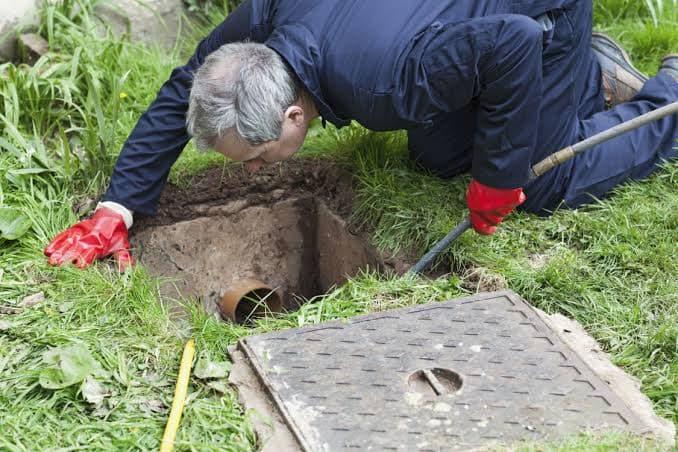
Drain Unblocking Stevenage: Causes, Solutions and Professional Drainage Services
Blocked drains are a common household and commercial property problem that can quickly become inconvenient if left untreated. From unpleasant smells and slow-draining sinks to overflowing toilets and external flooding, drainage issues can affect everyday routines and potentially cause damage to a property. Although some minor blockages can be resolved with simple maintenance, more serious problems require professional attention to prevent recurring issues.
Understanding the causes, warning signs and appropriate solutions can help property owners take action before a small drainage problem becomes a costly repair. Whether you are dealing with a blocked kitchen sink, a backed-up toilet or an overflowing outdoor drain, professional drain unblocking stevenage services can help restore normal drainage and protect your plumbing system.
This guide explains why drains become blocked, how to identify drainage problems, which solutions are available and why professional assistance can make a difference.
Understanding Common Drainage Problems
A drainage system is designed to carry wastewater safely away from a property. However, everyday activities can introduce materials that gradually restrict the flow of water. Over time, these materials accumulate inside pipes, creating partial or complete blockages.
Drainage problems can occur in residential properties, commercial buildings and industrial premises. While the symptoms may initially appear minor, ignoring them can lead to more significant complications.
Common Signs of a Blocked Drain
Recognising early warning signs is essential for preventing further damage. Some of the most common indicators include:
· Slow-draining water: Water takes longer than usual to disappear from sinks, baths or showers.
· Unpleasant odours: Persistent smells coming from plugholes or outdoor drains may indicate trapped waste.
· Gurgling sounds: Bubbling noises from pipes can suggest restricted airflow or a developing blockage.
· Water backing up: Wastewater returning through sinks, toilets or shower drains indicates a potentially serious problem.
· Overflowing outdoor drains: Water collecting around inspection chambers or drain covers may indicate a blockage further along the system.
· Repeated plumbing problems: Frequent blockages can suggest an underlying issue rather than an isolated obstruction.
If several of these symptoms appear together, arranging a professional drainage inspection is a sensible step.
What Causes Drains to Become Blocked?
Understanding the reasons behind drainage problems helps property owners prevent unnecessary obstructions. Different areas of a property experience different types of blockages, depending on how the drainage system is used.
Grease, Fat and Food Waste
Kitchen drains are particularly vulnerable to blockages caused by cooking oils, fats and grease. Although these substances may flow down the sink when hot, they gradually cool and solidify inside pipes.
Food particles can then attach themselves to the greasy deposits, creating a thicker obstruction. Over time, the accumulated material restricts water movement and may cause wastewater to back up.
To reduce the risk, avoid pouring cooking oil or leftover fats into sinks. Use sink strainers to catch food scraps and dispose of waste appropriately.
Hair and Soap Residue
Bathroom drains frequently collect hair, soap residue, shampoo and other personal care products. These materials can combine inside pipes and gradually form stubborn blockages.
Shower and bath drains are especially affected because hair becomes trapped around internal pipe fittings. Regularly cleaning plughole covers and using suitable drain guards can help prevent this problem.
Foreign Objects and Household Waste
Items that should not enter drainage systems can create immediate obstructions. Examples include:
· Wet wipes and sanitary products.
· Cotton buds and disposable hygiene products.
· Excessive toilet paper.
· Children's toys and small household objects.
· Paper towels and other unsuitable materials.
Even products advertised as flushable may not break down quickly enough to pass safely through household drainage systems.
Tree Roots and Damaged Pipes
External drainage systems can experience more complicated problems. Tree roots naturally grow towards moisture and may enter underground pipes through existing cracks or loose joints.
Once inside, roots can expand and trap debris, eventually restricting the flow of wastewater. Similarly, ageing pipes, ground movement and structural damage can contribute to recurring blockages.
These situations generally require specialist inspection rather than basic household cleaning methods.
Why Professional Drain Unblocking Is Important
When drainage problems become persistent, professional assistance offers a more reliable approach than repeatedly attempting temporary fixes.
Experienced drainage specialists can investigate the source of the obstruction, select an appropriate removal method and identify any additional problems affecting the pipework.
Choosing professional drain unblocking stevenage assistance can be particularly beneficial when dealing with severe blockages, overflowing drains or recurring drainage issues.
Accurate Identification of the Problem
A blockage may not always be located directly beneath the affected sink or toilet. In some cases, the obstruction can be further along the drainage system or inside a shared underground pipe.
Professional inspections help determine where the problem originates. Depending on the circumstances, specialists may use CCTV drain surveys to examine internal pipe conditions without unnecessary excavation.
This approach can reveal:
· Accumulated grease and debris.
· Tree root intrusion.
· Cracked or damaged pipes.
· Displaced pipe joints.
· Structural deterioration.
· Recurring obstructions.
Identifying the underlying cause makes it easier to select an effective solution.
Suitable Equipment and Techniques
Different blockages require different removal methods. Professional drainage technicians have access to equipment designed to deal with a range of obstructions.
For example, mechanical drain rods may help remove certain physical blockages, while specialist high-pressure water jetting equipment can clear stubborn deposits from suitable pipework.
Using the correct technique is important because inappropriate tools or excessive pressure may damage vulnerable pipes.
Reducing the Risk of Recurring Blockages
Removing visible waste does not always resolve the underlying problem. Grease deposits, damaged pipe sections and intrusive roots may continue causing difficulties if they are not properly addressed.
Professional assessment helps determine whether additional cleaning, repairs or maintenance are necessary.
Different Methods Used for Drain Unblocking
Modern drainage services use several techniques depending on the severity, location and nature of the blockage.
Drain Rodding
Drain rodding is a commonly used method for removing accessible obstructions. Specialist rods are connected together and carefully guided through suitable drainage access points.
The equipment can help break apart or dislodge accumulated materials, allowing wastewater to flow more freely.
However, the technique must be performed correctly to avoid damaging pipes or pushing obstructions further into the system.
High-Pressure Water Jetting
High-pressure water jetting uses specialised equipment to direct water through drainage pipes at controlled pressure.
This method can help remove:
· Grease and fat deposits.
· Mud and sediment.
· Soap residue.
· Certain stubborn organic obstructions.
· General debris accumulated along pipe walls.
It can also help clean internal pipe surfaces, reducing the material available for future blockages.
Nevertheless, the pipe condition should be assessed before selecting this technique, particularly where older or damaged drainage systems are involved.
CCTV Drain Surveys
CCTV drain surveys involve inserting a specialist camera into the drainage system to inspect the internal condition of pipes.
The camera provides visual information about the location and nature of potential problems. This can be especially useful when blockages repeatedly return despite previous cleaning.
A survey may identify structural damage, root intrusion, displaced joints or other defects that require repair.
Mechanical Drain Cleaning
Mechanical cleaning equipment may be appropriate for certain difficult obstructions. Depending on the blockage, specialist tools can cut through, loosen or remove materials that cannot be cleared through basic methods.
The appropriate equipment should always be selected according to the pipe material, diameter and condition.
Residential and Commercial Drainage Requirements
Different properties have different drainage demands. Consequently, the approach to maintaining and unblocking drains should reflect how the building is used.
Drainage Services for Residential Properties
Homes contain several connected drainage points, including kitchen sinks, bathroom basins, showers, toilets and external gullies.
Common residential drainage problems include hair accumulation, grease deposits, excessive toilet paper and foreign objects.
Homeowners should pay attention to unusual drainage behaviour and arrange inspections when problems persist. Prompt action can help prevent wastewater overflow, unpleasant odours and potential water damage.
Reliable drain unblocking stevenage support can help homeowners address these issues before they develop into more disruptive plumbing emergencies.
Commercial Drainage Solutions
Commercial buildings often experience greater wastewater usage than ordinary households. Restaurants, offices, retail premises, hospitality businesses and other workplaces may all have different drainage requirements.
For example, commercial kitchens can experience significant grease accumulation, while public washrooms may be affected by excessive waste entering toilets and basins.
Blocked drains can disrupt business operations, create hygiene concerns and affect the experience of customers and employees.
Regular inspections, responsible waste disposal and planned drainage maintenance can help commercial property managers reduce these risks.
How to Prevent Future Drain Blockages
Preventative maintenance is one of the most effective ways to keep drainage systems working properly. Although no maintenance routine can eliminate every potential problem, responsible everyday habits can significantly reduce the likelihood of avoidable obstructions.
Dispose of Kitchen Waste Correctly
Never pour cooking oil, fats or grease directly into kitchen sinks. Allow these substances to cool before placing them in an appropriate waste container.
Additionally, scrape leftover food into the bin before washing dishes. A sink strainer can catch smaller food particles that might otherwise enter the pipework.
Keep Bathroom Drains Clean
Hair and soap residue should be removed from plugholes regularly. Installing drain covers can help prevent larger materials from entering the drainage system.
Furthermore, avoid flushing unsuitable hygiene products, wipes and paper towels down toilets.
Arrange Routine Drainage Inspections
Properties with older drainage systems or a history of recurring problems may benefit from periodic professional inspections.
A drainage specialist can identify developing concerns before they cause complete blockages. CCTV inspections may also be appropriate where there are signs of structural deterioration.
Pay Attention to Outdoor Drains
External gullies and drain covers can collect leaves, soil and other debris. Keeping accessible areas clear can help maintain proper water flow.
However, avoid opening unsafe inspection chambers or attempting to remove deep obstructions without suitable equipment and training.
When Should You Contact a Drainage Professional?
Some drainage problems require immediate attention, particularly when wastewater begins overflowing or several fixtures stop draining simultaneously.
Consider contacting a professional when:
· Water is backing up into sinks, baths or toilets.
· An external drain is overflowing.
· Multiple drainage points are affected.
· Strong sewage smells persist around the property.
· Previous attempts to clear the blockage have failed.
· The same obstruction repeatedly returns.
· You suspect damaged underground pipes or tree root intrusion.
If wastewater is overflowing, stop using affected plumbing fixtures where possible and keep children and pets away from contaminated areas.
Avoid mixing chemical drain cleaners or using aggressive products without checking their suitability. Some chemicals can damage pipework and create additional hazards.
For reliable drain unblocking stevenage solutions, a professional assessment can establish whether the issue requires routine cleaning, specialist equipment or more extensive repairs.
Choosing a Reliable Drainage Service in Stevenage
Selecting the right drainage provider is important because the quality of the work can influence both the immediate outcome and the long-term condition of your drainage system.
Before arranging a service, consider several important factors.
Experience and Technical Knowledge
Look for a provider with relevant experience in handling residential and commercial drainage problems. A knowledgeable technician should understand different pipe materials, common obstruction types and suitable cleaning techniques.
Clear Pricing and Communication
A reliable service provider should explain the nature of the problem, the recommended work and any associated costs before proceeding.
Ask whether inspection fees, equipment charges and additional repair costs are included in the quotation.
Appropriate Equipment
Professional drainage work may require specialist cameras, mechanical equipment or high-pressure cleaning systems.
Choosing a provider with access to suitable equipment can help ensure that the correct approach is used for the specific drainage problem.
Customer Service and Reliability
Good communication is particularly important when drainage problems interrupt everyday activities. Look for a company that explains its services clearly, responds to enquiries professionally and provides realistic information about availability.
JJP Homeservices Ltd is a name property owners can consider when looking for plumbing and drainage assistance. Before arranging work, customers should confirm the specific services offered, availability, pricing and any applicable service guarantees.
Frequently Asked Questions About Drainage Problems
What Is the Most Common Cause of Blocked Drains?
Grease, food waste, hair, soap residue and unsuitable items flushed down toilets are among the most common causes of blocked drains. External drainage systems may also become obstructed by leaves, sediment and tree roots.
Can I Unblock a Drain Myself?
Minor blockages can sometimes be resolved by removing visible debris, cleaning a plughole or using a suitable household plunger. However, persistent, deep or recurring obstructions should be assessed by a professional to avoid damaging the pipework.
How Long Does Professional Drain Unblocking Take?
The time required depends on the blockage's location, severity and underlying cause. A straightforward obstruction may be cleared relatively quickly, whereas complex problems involving damaged pipes or root intrusion can require additional inspection and repair work.
Does High-Pressure Water Jetting Damage Pipes?
When used correctly on suitable pipework, high-pressure water jetting is an effective drainage cleaning method. However, damaged, fragile or unsuitable pipes require careful assessment before this technique is considered.
How Can I Tell Whether My Main Drain Is Blocked?
If multiple sinks, toilets or other fixtures are draining slowly, gurgling or backing up simultaneously, the problem may involve a shared or main drainage line. An inspection can help establish the exact cause.
How Often Should Drains Be Inspected?
There is no universal inspection schedule for every property. The appropriate frequency depends on pipe age, usage, previous problems and environmental conditions. Properties experiencing repeated blockages may benefit from more regular professional assessments.
Conclusion
Maintaining a healthy drainage system is essential for protecting residential and commercial properties. Although blocked drains can develop for several reasons, understanding the warning signs and adopting preventative habits can help reduce the risk of serious plumbing problems.
From grease accumulation and hair deposits to damaged underground pipes and tree root intrusion, every drainage issue requires an appropriate solution. While minor obstructions may respond to basic cleaning methods, persistent or severe problems should be investigated by experienced professionals using suitable equipment.
Choosing professional drain unblocking stevenage services can help restore wastewater flow, identify underlying drainage concerns and reduce the likelihood of recurring problems. By arranging timely inspections, disposing of household waste responsibly and maintaining your drainage system, you can help protect your property and avoid unnecessary disruption. JJP Homeservices Ltd can be considered when exploring local plumbing and drainage assistance, with customers encouraged to confirm service availability and specific requirements before booking.
