

Polyacrylamide Price Trends, Forecast, Chart, Prices and Index: Global Market Analysis Q3 2026

The global Polyacrylamide Price Trend during Q3 2026 showed a gradual downward movement as supply conditions improved and production costs became more manageable.
After facing supply disruptions and higher operating expenses in earlier months due to geopolitical tensions involving Iran and the USA, the market started moving towards a more balanced position.
Improved regional trade conditions, better product availability, and lower crude oil prices contributed to the decline in market prices. Chemical manufacturers adjusted their selling offers to reflect the easing cost pressure, while buyers continued to follow a cautious purchasing approach.
Please Submit Your Query For Polyacrylamide Price Trend, Market Analysis and Forecast: https://www.price-watch.ai/book-a-demo/
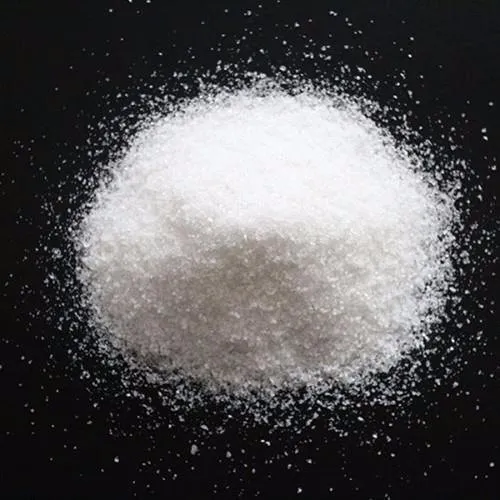
Polyacrylamide, commonly known as PAM, is an important water-soluble polymer used in several industrial applications. It plays a major role in wastewater treatment, paper manufacturing, mining, oil and gas operations, textiles, and other chemical processes. Since many of these industries depend on regular supplies of Polyacrylamide, even small changes in production costs, transportation conditions, and industrial demand can influence market prices.
During the third quarter, buyers focused more on managing inventories and purchasing only the quantities required for their regular operations. This limited the scope for significant price recovery and encouraged suppliers to offer more competitive rates. Overall, the market experienced softer conditions, with China also recording a price decline towards the end of the quarter.
Global Polyacrylamide Market Performance During Q3 2026
The global Polyacrylamide market experienced downward price pressure throughout Q3 2026. One of the main reasons behind this movement was the improvement in supply conditions following earlier disruptions linked to the Iran-USA conflict. Previous geopolitical uncertainty had affected regional trade flows and created difficulties in the movement of chemical products. As these restrictions gradually eased, the availability of Polyacrylamide improved across important trading routes.
With supply becoming more balanced, manufacturers faced less pressure to maintain higher selling prices. Exporters also adjusted their quotations to remain competitive and attract buyers in a market where purchasing activity remained limited.
Another important factor was the reduction in crude oil prices. Lower crude oil costs helped reduce pressure on the wider petrochemical industry and supported a decline in the cost of important upstream materials. Since acrylonitrile is connected to the petrochemical value chain and is used in the production of acrylamide, changes in feedstock costs can influence Polyacrylamide manufacturing expenses.
As production costs became more manageable, suppliers found greater flexibility to revise their offers downward. This development added to the overall weakness in the global market.
Impact of Feedstock Prices on Polyacrylamide Production
Raw material prices play an important role in determining the overall cost of Polyacrylamide production. Acrylamide is a key intermediate used in manufacturing Polyacrylamide, and its price movements directly influence the cost structure of producers.
During Q3 2026, lower upstream costs helped reduce manufacturing pressure. The decline in crude oil prices supported softer petrochemical feedstock conditions, while lower acrylamide prices in China further reduced the cost of production.
When raw material prices decrease, manufacturers generally have more room to adjust their selling prices. However, the final market impact also depends on electricity expenses, labour costs, production capacity, transportation charges, and inventory levels.
In the third quarter, the combination of lower feedstock expenses and improved supply availability created a more competitive selling environment. Producers were less able to maintain earlier price levels, particularly when buyers were unwilling to purchase large quantities.
This situation encouraged suppliers to focus on regular sales rather than waiting for a stronger market recovery.
Changes in Downstream Demand and Purchasing Behaviour
Demand from downstream industries remained cautious throughout Q3 2026. Polyacrylamide is used in several industries, but purchasing activity across these sectors did not provide enough support to reverse the downward market movement.
The water treatment industry continued to represent an important source of demand. Polyacrylamide is widely used as a flocculant to separate suspended particles from water and industrial wastewater. Municipal treatment facilities and industrial plants require regular supplies for their daily operations. However, buyers generally maintained controlled purchasing schedules and avoided building unnecessary inventories.
The paper industry also followed a careful procurement strategy. Polyacrylamide is used in papermaking processes to improve retention, drainage, and overall production efficiency. Although the requirement for the product remained steady, buyers preferred purchasing according to their immediate production needs.
Mining activities provided another source of demand. In mineral processing, Polyacrylamide helps separate solids from liquids and supports tailings management. However, purchasing decisions remained closely connected to operating requirements and inventory availability.
The oil and gas industry also continued using Polyacrylamide in selected operations, including enhanced oil recovery and wastewater management. Nevertheless, cautious spending and procurement planning limited the possibility of stronger demand growth.
Similarly, textile and chemical manufacturers maintained a measured approach to purchasing. As a result, demand across the major consuming sectors remained insufficient to create significant upward pressure on prices.
Polyacrylamide Price Trend in China
China remained an important market to watch during Q3 2026 because of its production capacity, domestic consumption, and influence on regional chemical trade.
The Polyacrylamide Price Trend in China followed a downward direction during the quarter. Improved product availability helped reduce supply-related pressure, while declining acrylamide prices lowered manufacturing expenses for domestic producers.
Earlier supply constraints associated with geopolitical uncertainty had affected the movement and availability of certain chemical products. As regional trade conditions improved, the domestic market gradually returned to a more balanced supply position.
Manufacturers responded to these developments by offering more competitive prices. At the same time, downstream buyers remained careful with their procurement decisions. Most consumers focused on essential requirements instead of purchasing additional material for storage.
This combination of improved supply and limited purchasing interest kept the market under pressure.
In September 2026, Polyacrylamide prices in China recorded a decline of approximately 1%. The reduction was mainly associated with competitive supplier offers and efforts to encourage purchasing activity. Although the monthly decline was relatively small, it reflected the continuing softness in the domestic market.
The September movement also showed that lower production costs and cautious downstream demand were still influencing supplier pricing decisions towards the end of the quarter.
Polyacrylamide Price Chart: Understanding the Q3 Movement
The Polyacrylamide Price Chart for Q3 2026 reflected a gradual downward market direction across the global market. Instead of experiencing a sharp price correction, the market moved through a softer adjustment as supply conditions improved and buyers continued to limit their purchases.
At the beginning of the quarter, the market was still adjusting to the effects of earlier geopolitical disruptions. As trade conditions improved, product availability became more comfortable, reducing the need for suppliers to maintain higher price quotations.
During the middle of the quarter, lower crude oil and feedstock costs provided additional support for declining production expenses. This encouraged manufacturers to review their selling offers according to changing market conditions.
Towards September, competitive pricing became more visible, particularly in China. The approximately 1% monthly decline indicated that suppliers were still trying to attract buyers through more attractive quotations.
For market participants, studying the Polyacrylamide Price Chart is useful because it helps identify the relationship between raw material costs, supplier offers, and purchasing activity. It also allows procurement teams to understand whether price movements are being driven by supply changes or actual improvements in consumption.
Polyacrylamide Price Index and Market Fundamentals
The Polyacrylamide Price Index during Q3 2026 indicated easing cost pressures and a more balanced relationship between supply and demand. The downward movement was supported by improved product availability, lower feedstock expenses, and cautious purchasing activity across major consuming industries.
An index is useful because it provides a broader view of market direction rather than focusing on an individual transaction or supplier quotation.
During the quarter, the market fundamentals showed three important developments.
First, improved supply conditions reduced the pressure created by earlier trade disruptions. Better availability allowed buyers to access material without facing the same level of supply uncertainty.
Second, lower raw material costs helped manufacturers manage their production expenses. This reduced the need to maintain higher selling prices and encouraged more competitive market quotations.
Third, downstream demand remained controlled. Buyers continued to purchase according to immediate requirements, which limited inventory accumulation and prevented a strong recovery in market prices.
Together, these developments kept the Polyacrylamide market on a softer path during the third quarter.
Global Trade and Supply Chain Conditions
International trade conditions also influenced the market during Q3 2026. Earlier geopolitical tensions involving Iran and the USA had created uncertainty around regional shipping routes and chemical supply movements.
When transportation routes become difficult to access, suppliers may face higher freight expenses, longer delivery schedules, and uncertainty regarding cargo availability. These issues can increase the delivered cost of chemical products even when production expenses remain unchanged.
However, as regional trade bottlenecks eased during Q3, supply conditions improved. This helped restore a more regular movement of chemical materials and reduced some of the additional costs associated with earlier disruptions.
For Polyacrylamide buyers, improved logistics provided greater flexibility in procurement planning. Importers and distributors could make purchasing decisions with less concern about sudden supply shortages.
At the same time, easier access to products increased competition among suppliers. Manufacturers and exporters had to consider market demand more carefully while deciding their selling prices.
Factors That May Influence Polyacrylamide Prices in the Coming Months
Looking beyond Q3 2026, several factors are likely to remain important for the direction of the Polyacrylamide market.
Raw material costs will continue to be one of the main influences. Any increase or decrease in acrylamide and related upstream feedstock prices may affect manufacturing expenses and supplier quotations.
Demand from water treatment facilities will also remain important. Growing requirements for industrial wastewater treatment and municipal water management can support regular Polyacrylamide consumption.
The paper and mining industries will provide additional demand opportunities. However, their purchasing activity will depend on production levels, operating conditions, and overall industrial spending.
Another important factor will be international trade stability. Any renewed geopolitical tensions or transportation disruptions could increase freight costs and create fresh uncertainty in regional supply chains.
On the other hand, continued improvements in supply availability and lower feedstock expenses may keep prices under pressure if downstream purchasing remains limited.
Therefore, market participants should monitor raw material movements, production levels, inventory positions, and industrial demand before making major procurement decisions.
Conclusion
The global Polyacrylamide market experienced a downward price movement during Q3 2026 as earlier supply constraints gradually eased and production costs became more manageable. Lower crude oil prices, declining acrylamide costs, and improved regional trade conditions encouraged manufacturers to revise their selling offers. At the same time, cautious procurement across water treatment, paper, mining, oil and gas, textiles, and chemical industries limited demand support.
China followed a similar trend, with Polyacrylamide prices declining by approximately 1% in September 2026 as suppliers offered more competitive quotations to stimulate buying activity.
Overall, the Polyacrylamide Price Trend reflected a market moving towards more balanced supply conditions but facing limited demand growth. Going forward, feedstock prices, industrial consumption, trade stability, and manufacturing costs will remain important factors influencing market direction. Regular monitoring of Polyacrylamide Prices, the Polyacrylamide Price Chart, and the Polyacrylamide Price Index will help buyers, suppliers, and procurement professionals make better-informed decisions in an evolving global market.
Please Submit Your Query For Polyacrylamide Price Trend, Market Analysis and Forecast: https://www.price-watch.ai/book-a-demo/
About Price Watch™
Price Watch™ is an India-based, independent raw material price reporting agency that provides real-time price forecasts and data-driven insights into global raw material markets. Price Watch™ specializes in tracking raw material prices, analyzing market trends, and delivering timely updates on plant shutdowns, supply disruptions, capacity expansions, and demand-supply dynamics. The Price Watch™ platform empowers manufacturers, traders, and procurement professionals to make faster, smarter decisions. Leveraging AI-powered forecasting and over a decade of historical data, Price Watch™ transforms market volatility into actionable opportunity.
Futura Tech Park,
C Block, 8th floor 334,
Old Mahabalipuram Road,
Sholinganallur, Chennai, Tamil Nadu, Pincode - 600119.
𝐋𝐢𝐧𝐤𝐞𝐝𝐈𝐧: https://www.linkedin.com/company/price-watch-ai/
𝐅𝐚𝐜𝐞𝐛𝐨𝐨𝐤: https://www.facebook.com/people//61568490385598/
𝐓𝐰𝐢𝐭𝐭𝐞𝐫: https://x.com/pricewatchai
𝐖𝐞𝐛𝐬𝐢𝐭𝐞: https://www.price-watch.ai/
