

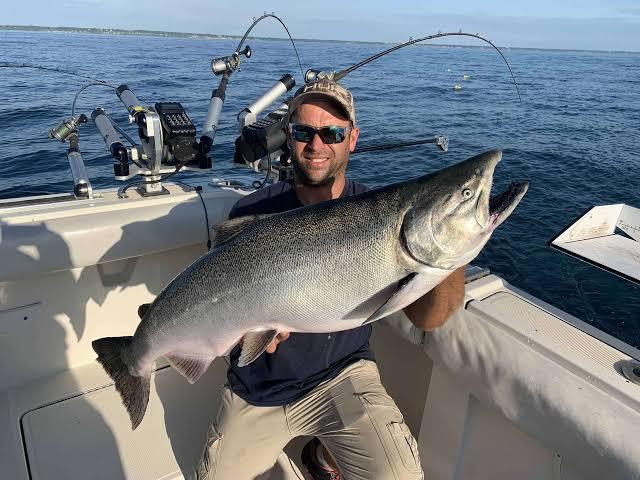
Salmon and Trout Fishing Charter Lake Michigan for an Unforgettable Fishing Experience

Why Choose a Salmon and Trout Fishing Charter Lake Michigan?
A salmon and trout fishing charter Lake Michigan experience gives anglers an opportunity to explore one of North America's most recognized freshwater fisheries. Lake Michigan offers a wide range of fishing opportunities, including Chinook salmon, Coho salmon, lake trout, brown trout, and steelhead. These species attract beginners, experienced anglers, families, and visitors who want to enjoy a guided day on the water. Booking a charter can make the experience easier to organize because a knowledgeable captain can help with navigation, fishing equipment, seasonal techniques, and local water conditions. Instead of having to arrange a boat and learn every fishing method independently, participants can receive practical guidance throughout the trip. Each outing is different because fish movement, water temperature, wind, and weather can influence fishing activity. A salmon and trout fishing charter Lake Michigan trip is therefore best approached with realistic expectations, suitable preparation, and a willingness to enjoy the complete experience rather than focusing only on the number of fish caught.
What Makes Lake Michigan a Popular Salmon and Trout Destination?
Lake Michigan is a major freshwater fishing destination because it supports several trout and salmon species and offers access from communities in Indiana, Illinois, Michigan, and Wisconsin. Each shoreline area has its own launch facilities, fishing patterns, and seasonal opportunities. A salmon and trout fishing charter Lake Michigan outing may begin from a harbor or marina selected by the captain according to the planned fishing area and current conditions. The lake's size allows anglers to explore different depths and locations, although reaching productive water can require time on the boat. Salmon and trout may move as temperatures change, so captains often adjust their approach during the season. The lake also provides opportunities for different fishing techniques, including trolling with specialized equipment. Visitors should choose a departure location that fits their travel plans and confirm the exact meeting point before booking. Understanding the size and changing conditions of Lake Michigan helps anglers appreciate why local knowledge and proper preparation are important for a successful day.
Which Salmon Species Can You Catch in Lake Michigan?
Several salmon species contribute to the popularity of a salmon and trout fishing charter Lake Michigan trip. Chinook salmon, commonly called king salmon, are especially popular because of their size, strength, and powerful runs. Coho salmon are another important target and can provide exciting fishing opportunities, particularly during seasonal movements in southern Lake Michigan. Pink salmon may also be present, although their availability and importance vary by area and season. Each species responds differently to water temperature, food availability, depth, and seasonal conditions. Captains may select lures, trolling speeds, and fishing locations according to the species they hope to encounter. Anglers should ask which salmon are realistic targets during their chosen dates instead of assuming that every species will be equally available. Fishing regulations also differ across state waters, so the applicable rules should be checked before keeping any fish. Learning about the salmon species found in Lake Michigan can help participants understand the fishing strategy and appreciate the variety of the lake's fishery.
What Trout Species Are Found in Lake Michigan?
Trout are another major reason anglers book a salmon and trout fishing charter Lake Michigan experience. Lake trout are an important part of the fishery and are often associated with deeper, cooler water and specific underwater structures. Brown trout can provide different opportunities depending on the season and location, while steelhead, also known as rainbow trout, are valued for their energetic fights. These species do not always occupy the same depths or respond to identical fishing methods. A captain may change the presentation, lure selection, and location according to the target species and water conditions. Anglers should ask whether the planned outing will focus primarily on salmon, trout, or a combination of both. It is also important to understand that the availability of a particular species cannot be guaranteed on a specific day. Regulations may include different size requirements, possession limits, and special restrictions for certain areas. Learning about the trout species before departure helps anglers understand what they may encounter and why different techniques are used.
When Is the Best Time for Salmon Fishing on Lake Michigan?
The best time for a salmon and trout fishing charter Lake Michigan trip depends on the target species, departure location, and seasonal fish movement. Spring can provide opportunities for Coho salmon, particularly along the southern shoreline. Indiana Department of Natural Resources information explains that spring boat fishing often concentrates within a relatively narrow area near shore, with Coho contributing a significant share of the catch during March through mid-May. As the season progresses and nearshore water warms, salmon and trout may move toward deeper offshore areas. Summer fishing can involve targeting cooler water at greater depths, while late summer and fall bring additional changes as salmon begin their seasonal movements toward tributaries. These patterns are useful planning information, but they should not be treated as a guarantee of what will happen on a particular date. Water temperature, weather, and local conditions can change the fishing picture. Before choosing a date, anglers should ask the captain which species and techniques are most suitable for that time of year.
When Is the Best Season for Trout Fishing on Lake Michigan?
Trout fishing opportunities on Lake Michigan can vary throughout the year, making seasonal planning important for anyone booking a salmon and trout fishing charter Lake Michigan trip. Lake trout may be available in different seasons, although their location and behavior can change with water temperature and depth. Brown trout and steelhead also provide opportunities that depend on local conditions and seasonal movements. During warmer periods, trout may seek cooler water, sometimes requiring boats to fish deeper areas. In spring and fall, changing temperatures can influence where different fish species are found. The best approach is to discuss the target species with the captain before choosing a trip date. Anglers should also check current state regulations because fishing rules may vary between Indiana, Illinois, Michigan, and Wisconsin waters. A season that offers good opportunities in one harbor may produce different conditions elsewhere. Understanding these differences helps visitors plan a more informed fishing outing and choose equipment and clothing suitable for the expected conditions.
How Does Trolling Work for Salmon and Trout?
Trolling is one of the most widely used techniques on a salmon and trout fishing charter Lake Michigan trip because it allows anglers to cover different areas of open water. During trolling, a boat moves at a controlled speed while fishing lines trail behind it with lures or other permitted presentations. Captains may use downriggers to position lines at selected depths, while planer boards can help spread lines across a wider area. Spoons, body baits, dodgers, and flies may be selected according to the target species and conditions. The exact setup can change throughout the outing as the captain observes water temperature, fish activity, and other information. Beginners can learn how fishing lines are arranged and how to respond when a rod indicates a strike. Experienced anglers may enjoy understanding how depth, speed, and lure presentation influence the approach. Trolling requires attention and proper equipment management, so participants should follow instructions carefully and avoid handling lines without permission. Learning the technique can make the trip more educational and enjoyable.
What Equipment Is Used on a Salmon and Trout Charter?
A salmon and trout fishing charter Lake Michigan outing may involve specialized equipment designed for fishing in open water and targeting different species. Depending on the captain's approach, the boat may carry trolling rods, suitable reels, fishing lines, downriggers, planer boards, lures, and other tackle. Different rod and line combinations may be used for salmon and trout because the species, fishing depths, and methods can vary. A captain can explain the purpose of the equipment and show participants how to use it safely. Before booking, customers should confirm whether rods, reels, bait, tackle, and other fishing supplies are included in the charter price. They should also ask whether personal equipment is permitted if they prefer using their own gear. Bringing extra equipment without checking first may create unnecessary clutter, especially when several people are fishing together. Understanding what the operator provides helps customers prepare appropriately. The right equipment does not guarantee a catch, but properly maintained gear and suitable techniques can support an organized fishing experience.
What Should Beginners Expect on a Guided Fishing Trip?
First-time anglers can enjoy a salmon and trout fishing charter Lake Michigan experience even if they have never operated a fishing reel or handled trolling equipment. A guided outing can introduce beginners to basic fishing skills while providing an opportunity to observe how an experienced captain manages the boat and equipment. Participants may learn how rods are positioned, how lines are monitored, and what to do when a fish takes the lure. The captain's instructions are important because Lake Michigan fishing can involve several lines and specialized equipment operating at the same time. Beginners should ask questions whenever they do not understand a procedure and should never attempt to adjust equipment without permission. It is also sensible to discuss trip length, boat facilities, safety arrangements, and what personal items should be brought along. People who are new to larger boats may want to ask about expected conditions and whether they should prepare for possible motion sickness. With patience and attention, beginners can gain useful experience while enjoying time on the lake.
How Can Experienced Anglers Improve Their Charter Experience?
Experienced fishermen may book a salmon and trout fishing charter Lake Michigan trip because they want to explore different techniques, learn local patterns, or target a particular species. Before departure, they can discuss their fishing background with the captain and explain whether they prefer active participation or a more relaxed guided experience. Experienced anglers may be interested in trolling speed, lure selection, depth control, seasonal movements, and how different areas produce changing opportunities. A knowledgeable captain can explain the reasoning behind equipment adjustments and location choices. However, fishing conditions should always guide decisions, even when an angler has a preferred technique. The lake's weather and fish behavior can make one approach more useful than another on a particular day. Experienced participants should also remain willing to follow the captain's safety instructions and operating procedures. Sharing expectations before booking can help create a trip that suits the group. A successful outing can provide valuable knowledge and memorable fishing experiences even when conditions do not produce the expected catch.
Which Lake Michigan Fishing Locations Should Anglers Consider?
Lake Michigan has several fishing communities and harbors that serve as starting points for charter outings. Anglers considering a salmon and trout fishing charter Lake Michigan trip may research locations such as Portage and Michigan City in Indiana, Chicago and Waukegan in Illinois, and ports along the Michigan and Wisconsin shorelines. Each departure area provides access to different sections of the lake, and the best choice depends on the angler's travel plans and the captain's operating location. A charter leaving from one harbor may cover different fishing grounds from a boat departing farther north or south. Customers should confirm the exact marina, meeting time, parking arrangements, and departure instructions before traveling. They should also ask whether the captain intends to remain nearshore or travel farther offshore depending on the target species and weather. Choosing a convenient location can reduce travel stress, but the quality of the fishing experience also depends on local conditions and the operator's knowledge. Comparing departure locations can help visitors make a practical choice.
What Should You Bring on a Lake Michigan Fishing Charter?
Preparing the right personal items can make a salmon and trout fishing charter Lake Michigan trip more comfortable. Clothing should match the expected weather, and wearing layers is often helpful because temperatures on the water can feel cooler than conditions on shore. A waterproof jacket, comfortable footwear with suitable grip, sunglasses, and a hat may be useful. Sunscreen and drinking water can also help during longer outings. Customers should ask the captain whether food and drinks are allowed and whether any refreshments are supplied. If fishing equipment is included, there may be no need to bring personal rods or tackle. Participants should keep phones and cameras protected from water and secure personal belongings so they do not interfere with movement around the boat. Anyone who takes regular medication should bring what they need and inform the captain about relevant safety concerns. A small bag with essential items is generally easier to manage than several large bags. Asking for a packing list before departure can help avoid forgotten necessities and make the day more relaxed.
How Important Are Weather and Water Conditions?
Weather and water conditions are central considerations when planning a salmon and trout fishing charter Lake Michigan trip. Wind direction, wind speed, wave height, visibility, and changing temperatures can affect both safety and fishing opportunities. Conditions on a large lake may differ from what visitors experience near the shoreline, so a calm morning on land does not necessarily mean that offshore water will remain calm. Captains monitor conditions and may change the fishing location, adjust departure times, or postpone an outing when necessary. Customers should ask about the operator's weather and cancellation policy before paying a deposit. They should also remain reachable in case the captain needs to communicate a schedule change. Participants should not pressure an operator to depart when conditions are unsafe. A responsible decision may mean missing a planned outing, but safety should always take priority over a fishing schedule. Understanding the influence of weather helps anglers maintain realistic expectations and appreciate why a charter captain may need to make adjustments during the trip.
Are Salmon and Trout Fishing Charters Suitable for Families?
Families can enjoy a salmon and trout fishing charter Lake Michigan outing as a shared outdoor activity, provided the trip is suitable for the ages and needs of everyone participating. Children may enjoy watching the fishing equipment, learning about fish species, and experiencing the open water. Parents should confirm the minimum age requirements, passenger capacity, safety equipment, and trip duration before making a reservation. They should also ask whether the vessel has suitable seating and facilities for the group. Children need clear instructions about staying in designated areas, wearing required safety equipment, and following the captain's directions. Families with younger participants may prefer a trip length that matches their attention spans and comfort levels. It is also useful to discuss the possibility of changing weather and whether the outing can be rescheduled if conditions become unsuitable. A family fishing trip does not have to depend on catching a large fish to be memorable. Learning together, enjoying the lake, and spending quality time outdoors can make the experience worthwhile.
What Safety Rules Should Passengers Follow on the Boat?
Safety should be a priority throughout every salmon and trout fishing charter Lake Michigan outing. Before departure, passengers should listen carefully to the captain's safety briefing and learn where required safety equipment is stored. Life jackets and other personal flotation devices should be used according to the captain's instructions and applicable boating requirements. Participants should avoid running, pushing, or moving suddenly around the deck, especially when the vessel is underway or fishing lines are being handled. Hooks, knives, rods, and other equipment should be treated carefully to prevent accidental injuries. Passengers should tell the captain about relevant concerns, including mobility limitations or motion sickness, before leaving the harbor. Weather can change, so everyone should cooperate if the captain changes the fishing plan or decides to return to shore. Alcohol or careless behavior should never interfere with boating safety. Respecting the captain's instructions helps protect everyone aboard and supports a more comfortable fishing experience.
What Fishing Licenses and Regulations Should You Understand?
Fishing licenses and regulations are essential considerations when arranging a salmon and trout fishing charter Lake Michigan trip. Lake Michigan borders several states, and fishing rules can differ depending on which state's waters the boat enters. A fishing license issued by one state should not automatically be assumed to cover fishing in another state's waters. Customers should ask the charter operator which waters the trip may cover and what licensing requirements apply to each participant. Regulations can include minimum fish sizes, daily possession limits, species-specific restrictions, and special rules for certain areas. The Indiana Department of Natural Resources publishes information for Lake Michigan anglers, while Michigan and Wisconsin maintain their own current fishing regulation resources. Illinois also has specific rules for its Lake Michigan waters. Regulations can change, so anglers should review official information for the relevant jurisdiction before departure. Customers should also confirm whether the charter price includes any license or whether each person must obtain one separately. Following the correct rules supports responsible fishing and helps protect the lake's fish populations.
Can You Keep the Salmon and Trout You Catch?
Whether anglers can keep a fish caught during a salmon and trout fishing charter Lake Michigan trip depends on current regulations, the species, the location, and the fish's size. Some fish may be legally retained while others must be released because of size limits, possession limits, or special restrictions. The captain can explain general handling procedures, but anglers should understand that the official regulations determine what can legally be kept. Before booking, customers should ask whether fish cleaning, packaging, or storage services are offered. These services vary between operators and should not be assumed to be included. Fish intended for legal retention should be handled carefully and stored appropriately to maintain quality. Participants should also understand that a fish caught during the trip may not necessarily meet the legal requirements for keeping it. Responsible anglers follow the captain's instructions and release fish when required. Discussing catch handling before departure can help avoid confusion and make it easier to plan what to do after returning to the marina.
How Much Does a Salmon and Trout Fishing Charter Cost?
The cost of a salmon and trout fishing charter Lake Michigan trip can vary according to the operator, boat size, trip duration, departure location, group size, and included services. Some charters charge a fixed rate for the entire boat, while others may use a per-person pricing structure. The quoted amount may or may not include fishing equipment, bait, licenses, fish cleaning, refreshments, or additional expenses. Customers should request a clear explanation of the total price before confirming a reservation. It is also useful to ask about deposits, payment methods, cancellation policies, and gratuities. A lower advertised price does not always represent the best overall value if important services are excluded. The boat's passenger capacity and the amount of time spent fishing should also be considered when comparing options. Prices can change over time, so visitors should obtain current details directly from the operator rather than relying on old online information. Clear pricing helps families and groups plan their budget and avoid unexpected costs on the day of the trip.
How Should You Choose the Right Charter Captain?
Choosing a suitable captain is an important step when arranging a salmon and trout fishing charter Lake Michigan experience. Anglers should look for clear information about the captain's qualifications, experience, vessel, passenger capacity, and fishing approach. Customers can ask which species the operator commonly targets and whether the captain has experience with the planned departure area. They should also confirm the exact meeting location, trip length, safety arrangements, equipment included, and weather policy. Indiana anglers can consult the state's licensed fishing guide information when researching operators working in Indiana waters. Other states may have their own guide licensing and charter requirements. Reviews can provide insight into communication and customer experiences, but they should be considered alongside direct answers to practical questions. Customers should avoid assuming that every charter offers identical services. A professional conversation before booking can help determine whether the trip suits the group's expectations. Choosing an operator who communicates clearly and takes safety seriously can make the planning process more reassuring.
What Makes a Charter Trip Different From Fishing on Your Own?
Fishing independently and joining a salmon and trout fishing charter Lake Michigan outing can provide different experiences. Independent anglers may enjoy choosing their own schedule, equipment, and fishing approach, but they must arrange a suitable boat, understand local conditions, and manage navigation and safety responsibilities. A charter provides access to a captain who operates the vessel and helps organize the fishing activity. The captain may already have suitable equipment and knowledge of local seasonal patterns, depending on the services offered. This can be especially helpful for visitors who are unfamiliar with Lake Michigan or who do not own a boat. A guided trip can also provide an opportunity to learn techniques that may be difficult to practice without specialized equipment. However, a charter does not guarantee a catch, and the experience still depends on weather, fish behavior, and other natural factors. Anglers should choose the option that matches their budget, experience, and goals. Both approaches can be rewarding when participants understand the responsibilities involved.
How Can You Make Your Fishing Trip More Enjoyable?
A well-planned salmon and trout fishing charter Lake Michigan experience begins before the boat leaves the harbor. Participants should confirm the booking details, prepare suitable clothing, understand the departure arrangements, and arrive on time. Learning a little about the target species can make the outing more interesting because anglers will better understand the fishing techniques being used. Beginners should ask questions and remain attentive when the captain explains how to handle equipment. Experienced anglers can discuss their preferred methods while remaining flexible when local conditions require a different approach. Everyone should respect the boat, other passengers, and the natural environment by keeping personal belongings organized and disposing of waste properly. Taking photographs can help preserve memories, but electronics should be protected from water. It is also important to enjoy the scenery and the experience rather than measuring the day only by the number of fish caught. Patience, preparation, and a positive attitude can make the trip memorable even when fishing activity changes throughout the day.
Why Is Conservation Important for Lake Michigan Fishing?
Conservation plays an important role in maintaining the quality of a salmon and trout fishing charter Lake Michigan experience for future generations. Lake Michigan supports valuable fish populations, and responsible anglers help protect them by following current regulations and respecting legal catch limits. Participants should avoid keeping fish that do not meet the applicable requirements and should follow proper release practices when necessary. Keeping fishing areas and boats free from litter also helps protect the lake's environment. Anglers should respect other boats, shoreline users, wildlife, and public access rules. The lake is shared by several states, so coordinated management and responsible fishing practices are important. Regulations and fishery information can change as agencies monitor populations and environmental conditions. Checking official updates before a trip is therefore a useful habit. Conservation is not simply a legal responsibility; it is part of respecting the natural resource that makes fishing possible. A thoughtful approach helps preserve the lake's fishing opportunities and supports a healthier environment for everyone who enjoys its waters.
Why Explore Salmon and Trout Fishing With Fish Master Guide?
A salmon and trout fishing charter Lake Michigan trip can provide a rewarding opportunity to experience one of the Great Lakes' best-known fisheries while learning about salmon, trout, fishing techniques, and seasonal conditions. The experience becomes easier to plan when anglers research departure locations, compare charter services, understand licensing requirements, and prepare for changing weather. Beginners can learn from an experienced captain, while seasoned fishermen may enjoy exploring different methods and discussing local fishing patterns. Families and groups can create lasting memories by sharing time outdoors and appreciating the lake's natural beauty. Every outing is different, and fish catches are never guaranteed, so realistic expectations and responsible behavior are important. Anglers should always confirm current regulations and booking details directly with the relevant authorities and charter operator. For people who want to learn more about fishing destinations, species, equipment, and trip preparation, Fish Master Guide offers a useful starting point for exploring fishing topics and becoming better prepared for future adventures on Lake Michigan.
