

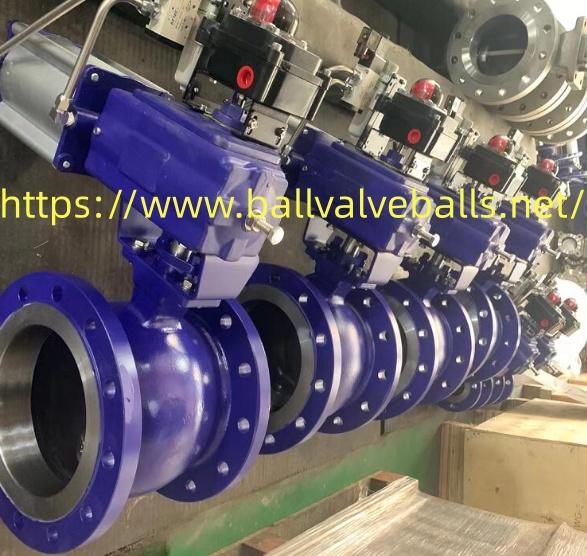

Hard Seal Ball purchasing should begin with a clear review of the valve design and its working environment. For industrial buyers, choosing a component involves more than comparing a quotation or checking its nominal diameter. Material selection, spherical geometry, surface treatment, seat compatibility, and inspection arrangements all deserve attention. A detailed evaluation helps purchasing teams communicate requirements accurately and gives manufacturers a practical basis for production planning.
Identify the Actual Operating Conditions
Before requesting a quotation, buyers should explain how the component will be used. The working medium, pressure range, temperature conditions, operating frequency, and surrounding environment can influence material and surface treatment decisions.
For example, a valve used in a water pipeline may face different conditions from one handling oil, gas, chemicals, or media containing abrasive particles. These differences should be considered before selecting a material grade or finishing process.
Buyers should also clarify whether the order is for new equipment, replacement maintenance, or a customized engineering project. This information helps manufacturers understand the intended application and identify technical details that may need further discussion.
Review Material Selection and Documentation
Material selection should correspond with the operating environment and the design requirements of the complete valve. Stainless steel grades, alloy materials, and other metal options may be considered according to the expected service conditions.
Instead of requesting a material simply by a general description, buyers should provide the required grade or applicable material standard. If an alternative is proposed, ask the manufacturer to explain the relevant differences before approving a change.
Documentation is another purchasing consideration. Depending on project requirements, buyers may request material certificates, batch identification, inspection records, or other supporting documents. Agreeing on documentation before production can make incoming inspection and future traceability easier to manage.
Examine Spherical Geometry and Critical Dimensions
The external diameter is only one part of a precision component drawing. Other measurements may include bore diameter, port configuration, mounting features, stem connection dimensions, and the position of relevant openings.
Geometric requirements deserve particular attention because the component must fit its surrounding assembly. Depending on the valve design, buyers may need to specify roundness, concentricity, dimensional tolerances, and alignment requirements.
A complete technical drawing gives the production team a common reference. It should identify critical dimensions clearly and include the acceptable tolerance range. If an existing component is being replaced, provide the original drawing or verified measurements rather than relying only on photographs.
Ask About Surface Treatment and Finishing
Surface treatment can influence wear behavior, corrosion resistance, friction, and contact with the mating seat. Depending on the application, manufacturing options may include polishing, grinding, plating, or specialized coating processes.
Buyers should explain the purpose of the requested treatment. If a coating is required, confirm its type, thickness, treated area, and relevant hardness requirements. These details may affect machining allowances and final dimensions, so they should be discussed before processing begins.
Surface roughness should also be considered. A general request for a smooth finish may leave room for different interpretations. When surface condition is critical, provide a measurable roughness requirement and agree on how it will be inspected.
Evaluate Manufacturing and Inspection Arrangements
A manufacturer's production process should be reviewed in relation to the requested specifications. Buyers can ask about machining equipment, finishing procedures, measurement methods, and quality inspection stages.
Inspection criteria should be agreed upon before the order enters production. Depending on the design, checks may cover dimensional accuracy, roundness, surface condition, coating consistency, and material identification.
It is also useful to clarify how nonconforming items are handled. Ask how inspection results are recorded and whether reports can be provided with the shipment. These arrangements give both parties a clearer understanding of acceptance requirements.
Request Samples Before Confirming Large Orders
For customized projects, sample approval can help identify differences between the drawing and the physical component. Buyers should examine the sample's dimensions, machining details, surface finish, and compatibility with the relevant seat or assembly.
If adjustments are necessary, record them in an updated drawing or written specification. The approved sample should also be identified by model number or revision so it can serve as a reference during subsequent production.
At ballvalveballs, customers can discuss drawings, material options, finishing requirements, and sample arrangements before confirming a manufacturing plan. Providing complete technical information helps the team assess the requested configuration and clarify production details.
Confirm Order Quantities and Delivery Requirements
Commercial arrangements should be checked alongside technical specifications. Buyers need to confirm order quantities, packaging methods, delivery schedules, labeling requirements, and any documents needed for transportation or customs procedures.
For repeat orders, retain the approved drawings and inspection criteria. If a specification changes, identify the revised document clearly and obtain confirmation before production continues. This helps purchasing and manufacturing teams work from the same information.A well-prepared inquiry should include the application, technical drawing, material requirements, surface treatment, quantity, inspection expectations, and destination. Buyers can review the product range and discuss project details with ballvalveballs at https://www.ballvalveballs.net/ before preparing their next purchasing order.
