

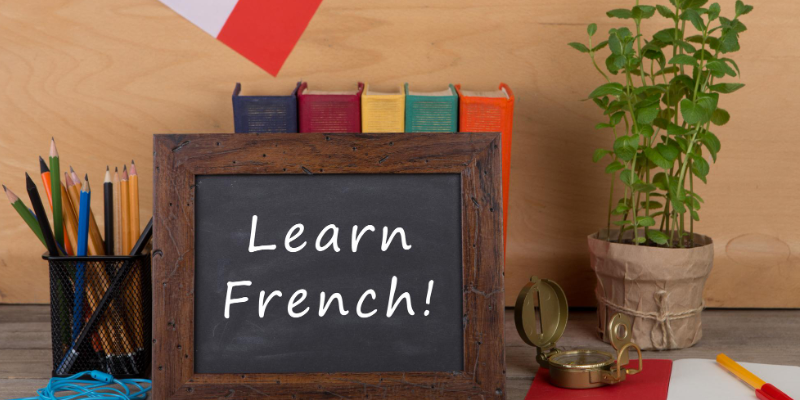

Improving French listening skills is essential for anyone who wants to communicate confidently in international workplaces, pursue higher education abroad, or explore career opportunities in French-speaking countries. Many learners understand basic French grammar and vocabulary but struggle to follow native speakers during real conversations. Developing strong listening abilities requires regular exposure to spoken French, active practice, and an understanding of natural pronunciation. Learning through structured lessons and practical exercises can help beginners recognise familiar words, understand different accents, and respond more naturally. Whether the goal is to work in tourism, international business, translation, or customer support, better listening skills can make French communication more effective.
Listen to French Every Day
Regular listening practice helps learners become familiar with French pronunciation, sentence patterns, and everyday expressions. Beginners can start with short audio recordings, simple conversations, and slow French listening exercises. Listening for 15 to 20 minutes daily is more effective than practising for several hours only once a week. Initially, learners may recognise only a few words, but repeated exposure gradually improves their understanding.
Choosing familiar topics such as introductions, shopping, travel, food, and workplace conversations makes practice easier. As listening confidence improves, learners can move towards longer recordings and natural conversations. Consistency is important because the brain needs time to recognise unfamiliar sounds and connect them with known vocabulary.
Watch French Movies and Television Shows
Watching French movies, television programmes, and online videos is an enjoyable way to understand how people communicate in real situations. These resources introduce learners to natural pronunciation, informal expressions, cultural references, and different speaking styles. Beginners can start with French content that includes English subtitles and gradually switch to French subtitles.
Instead of trying to understand every sentence, learners should focus on recognising familiar words and understanding the overall meaning. Rewatching short scenes can also help identify difficult expressions and pronunciation patterns. Educational programmes, interviews, and beginner-friendly French series are useful choices for developing listening confidence.
Practise with French Podcasts and Audio Lessons
French podcasts provide opportunities to hear the language in different contexts, including education, culture, travel, business, and daily life. Beginners should choose podcasts designed for language learners because they generally use simpler vocabulary and slower speech. Listening to the same episode several times can improve word recognition and help learners understand how sentences are connected.
A useful technique is to listen once without reading the transcript and identify the main topic. During the second attempt, learners can follow the transcript and note unfamiliar words. Finally, listening again without written support helps measure improvement. This approach develops concentration and makes it easier to understand spoken French without depending on subtitles.
Learn French Pronunciation and Common Sound Patterns
French pronunciation can be challenging because some letters are silent, certain sounds do not exist in English, and several words sound similar. Understanding these differences helps learners identify spoken words more accurately. Particular attention should be given to nasal sounds, vowel combinations, liaison, and the pronunciation of final consonants.
For example, the pronunciation of words can change when they appear together in a sentence. Learners should practise listening to individual sounds before moving towards complete conversations. Repeating short audio clips and comparing personal pronunciation with native speakers can improve both listening and speaking abilities. Developing this foundation also makes advanced French lessons easier to follow.
Improve Listening Through Active Practice
Passive listening alone may not produce consistent improvement. Active listening encourages learners to concentrate on the speaker, identify important information, and understand the meaning of each conversation. One effective technique is dictation, where learners listen to a short recording and write down the words they recognise. Comparing their answers with the original transcript helps identify pronunciation and vocabulary gaps.
Another useful method is shadowing, where learners repeat sentences immediately after hearing them. This technique improves their understanding of natural speech rhythm, pronunciation, and sentence structure. Learners attending a French Institute in Pondicherry can also benefit from guided listening exercises, interactive conversations, and regular feedback to strengthen their language skills.
Build Vocabulary Through Everyday Conversations
A strong vocabulary makes it easier to understand French conversations without translating every sentence mentally. Beginners should focus on commonly used words and expressions related to everyday activities, professional communication, travel, and social interactions. Learning vocabulary within complete sentences is more useful than memorising isolated words because it shows how expressions are used in real situations.
Practising conversations with classmates, language partners, or French-speaking communities provides valuable listening experience. Learners should also pay attention to how native speakers shorten words, connect sounds, and use informal expressions. Consistent practice helps develop the ability to understand conversations at a natural speed, which is an important skill for academic and professional communication.
Explore Different French Accents
French is spoken in several countries and regions, including France, Canada, Belgium, Switzerland, and parts of Africa. Although the language shares a common foundation, pronunciation, vocabulary, and speaking styles can differ between regions. Listening only to one accent may make it difficult to understand people from other French-speaking communities.
Learners can gradually explore interviews, news programmes, podcasts, and conversations featuring speakers from different regions. Starting with familiar French accents and moving towards regional variations helps improve listening flexibility. This ability is especially valuable for professionals working in international customer service, tourism, education, and global business environments.
Follow a Structured Listening Improvement Plan
A structured learning routine helps beginners identify their weaknesses and measure progress. Learners can divide their practice time between podcasts, videos, pronunciation exercises, dictation, and conversations. Setting small weekly goals makes the process manageable and encourages consistent improvement. For example, understanding a short conversation without subtitles can be a useful early milestone.
Professional language training can provide additional support through listening assessments, classroom activities, and instructor feedback. Joining FITA Academy can help learners develop practical French communication skills through structured learning and interactive exercises. Such training can also strengthen the language abilities required for careers involving international communication, hospitality, travel, and multilingual customer support.
Improving French listening skills requires patience, regular practice, and exposure to different speaking styles. Combining podcasts, movies, pronunciation exercises, active listening, and real conversations helps learners understand spoken French more confidently. These abilities can support opportunities in international business, tourism, translation, education, and customer service. Choosing a structured learning approach through a Language Training Institute in Chennai can also help learners build practical communication skills and prepare for future career opportunities.
