

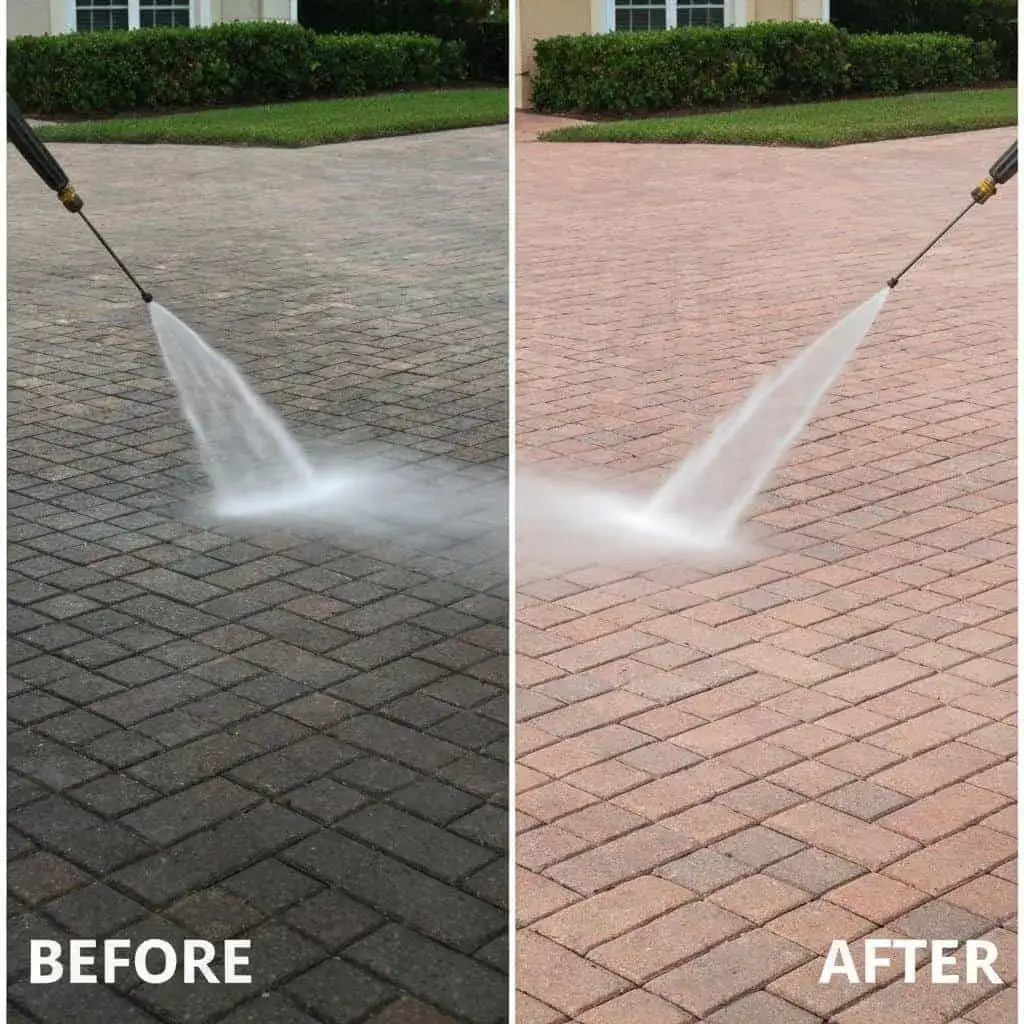

Pressure washing is an effective way to remove dirt, grime, algae, moss, and other accumulated debris from outdoor paving surfaces. Once the cleaning process is complete, Can you seal pavers after pressure washing? becomes an important consideration for maintaining the appearance and condition of the surface. Sealing pavers after pressure washing can help protect them from stains, moisture penetration, fading, and everyday wear. However, proper preparation and sufficient drying time are essential before applying any sealer.
Why Is Sealing Pavers After Pressure Washing Important?
Pressure washing removes surface contaminants and restores the original appearance of pavers. However, the cleaning process does not provide long-term protection against environmental exposure or staining.
Sealing after pressure washing offers several benefits:
- Stain resistance: A suitable sealer helps reduce the absorption of oil, grease, food spills, and other staining substances.
- Color enhancement: Certain sealers enhance the natural color and texture of pavers.
- Moisture protection: Sealing helps reduce water penetration, depending on the type of product used.
- Reduced organic growth: Some sealers help limit moisture-related conditions that encourage moss and algae growth.
- Surface durability: A protective coating can help pavers withstand regular foot traffic and environmental exposure.
How Long Should Pavers Dry After Pressure Washing?
Allowing pavers to dry completely is one of the most important steps before sealing. Generally, a drying period of 24–72 hours may be required after pressure washing.
However, the actual drying time depends on several conditions:
- Temperature and humidity levels.
- Direct sunlight and airflow.
- Porosity and material of the pavers.
- Amount of water used during cleaning.
- Moisture retained in the joints and underneath the pavers.
In humid or rainy conditions, additional drying time may be necessary. Even when the surface appears dry, moisture can remain within the pavers and jointing sand.
Steps Involved in Sealing Pavers After Pressure Washing
1. Thorough Pressure Washing
The first step involves removing dirt, grime, algae, moss, and other contaminants from the paver surface. Appropriate pressure settings are important because excessive pressure can damage the surface or displace jointing sand.
2. Complete Drying
After pressure washing, the pavers should be allowed to dry thoroughly. Moisture trapped inside the material or between joints can interfere with sealer adhesion and affect the final appearance.
3. Inspecting the Paver Joints
Pressure washing may remove some of the sand between pavers. The joints should be inspected and refilled with suitable jointing sand where necessary. Excess sand should be removed from the surface before sealing.
4. Selecting an Appropriate Sealer
The choice of sealer depends on the paver material, surface condition, environmental exposure, and desired appearance.
Common types include:
- Water-based sealers.
- Solvent-based sealers.
- Natural-finish sealers.
- Wet-look sealers.
- Gloss-finish sealers.
The product instructions should be checked to confirm compatibility with the specific paver material.
5. Applying the Sealer
The sealer should be applied evenly using an appropriate sprayer, roller, or applicator. Application guidelines, recommended coverage rates, and drying conditions should be followed carefully.
Applying excessive sealer can result in uneven coatings, haziness, or unwanted surface buildup.
6. Allowing the Sealer to Cure
After application, the sealed surface should remain undisturbed for the recommended curing period. Foot traffic, vehicles, furniture, and water exposure should be avoided until the sealer has sufficiently cured.
What Happens When Pavers Are Sealed Before They Are Completely Dry?
Applying sealer while pavers are still damp can create several problems. Trapped moisture may interfere with the bonding process and affect the appearance of the finished surface.
Common issues include:
- White patches or cloudy discoloration.
- Hazy or uneven surface appearance.
- Poor sealer adhesion.
- Moisture trapped beneath the coating.
- Premature peeling or coating failure.
These problems highlight the importance of allowing sufficient drying time before sealing.
How Often Do Pavers Need to Be Sealed?
The frequency of paver sealing depends on the type of sealer, weather conditions, surface exposure, and amount of foot or vehicle traffic.
Many sealing products require reapplication every two to five years, although the manufacturer's recommendations may vary.
Regular inspections can help identify signs of sealer deterioration, including fading, reduced water resistance, surface wear, and uneven appearance.
Common Mistakes to Avoid When Sealing Pavers
Several mistakes can affect the performance and appearance of sealed pavers:
- Applying sealer before the pavers are completely dry.
- Using an incompatible sealer for the paver material.
- Applying excessive product in a single coat.
- Ignoring missing or damaged jointing sand.
- Sealing during unsuitable weather conditions.
- Failing to follow the recommended curing period.
- Neglecting surface preparation before application.
Proper preparation and application are essential for achieving an even finish and effective surface protection.
Conclusion
Pavers can be sealed after pressure washing, provided they are completely dry and properly prepared. The cleaning process removes accumulated contaminants, while sealing helps protect the surface against stains, moisture, fading, and general wear. Drying time, joint condition, sealer compatibility, and application technique all influence the final outcome.
Following the appropriate preparation and sealing procedures helps maintain the appearance, condition, and durability of paver surfaces over time.
