

Europe’s Green Steel Industry: Key Players, Innovation and Growth Potential
The Future of Low-Carbon Steel Production Across European Markets
Low-carbon steel production is becoming an important consideration for Europe's industrial economy. Steel remains a foundational material for buildings, transport systems, manufacturing equipment, electrical infrastructure, renewable energy installations, and industrial machinery. As businesses increasingly evaluate environmental performance across their supply chains, steel producers are exploring production technologies that reduce emissions without compromising quality, reliability, or commercial competitiveness.
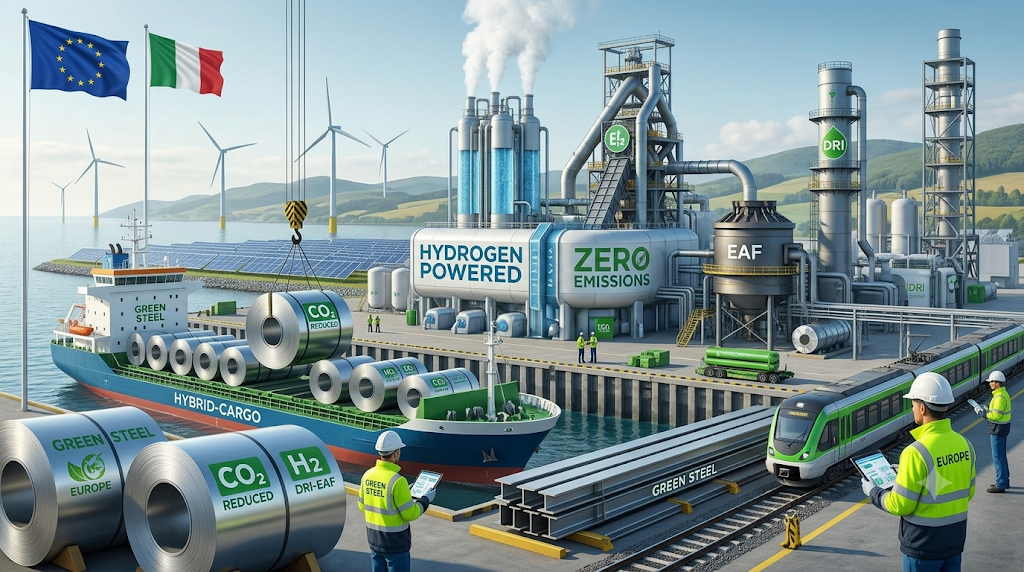
Europe's steel transformation involves multiple technological pathways rather than a single solution. Producers are investigating hydrogen-based direct reduction, electric arc furnaces, recycled steel, renewable energy procurement, efficiency improvements, and alternative industrial processes. These approaches can contribute to decarbonization, although their performance depends on infrastructure, electricity sourcing, feedstock, and production requirements.
Production Pathways and Industrial Modernization
Traditional steel production generally involves ironmaking processes that use carbon-intensive fuels. Reducing dependence on these processes requires changes in technology, energy consumption, and material sourcing. Hydrogen-based direct reduction offers an alternative for processing iron ore, while electric arc furnaces provide flexibility in converting recycled scrap and direct reduced iron into steel.
The availability of high-quality scrap is important for expanding recycling-based production. Steel is widely recyclable, and recycled feedstock can support lower-emission manufacturing when electricity supplies and production processes are sufficiently clean. However, scrap availability, composition, contamination, and product specifications influence the suitability of recycled materials for particular applications.
Manufacturers are also investing in production efficiency, digital monitoring, predictive maintenance, energy management, and automation. These improvements can help optimize existing operations while supporting broader industrial modernization objectives.
Renewable Energy and Infrastructure Requirements
Energy availability is a major consideration for steel decarbonization. Hydrogen production, electric furnaces, industrial equipment, and associated facilities require substantial electricity. Producers may pursue renewable power purchase agreements, onsite generation, grid connections, energy storage, and partnerships with energy developers.
Hydrogen infrastructure is another important development area. Industrial projects require dependable supply arrangements, transportation networks, storage facilities, and suitable production technologies. Integrated industrial clusters may provide opportunities to coordinate steelmaking, renewable electricity, hydrogen production, logistics, and industrial customers.
Infrastructure development can influence the location, scale, and commercial viability of new facilities. Regional differences in energy costs, renewable generation, industrial networks, and transportation infrastructure could therefore shape Europe's emerging green steel landscape.
Commercial Demand and Strategic Opportunities
Industrial customers are increasingly considering environmental performance when evaluating suppliers. Automotive manufacturers, construction companies, renewable energy developers, and infrastructure businesses may incorporate lower-carbon materials into procurement strategies. Transparent emissions information and reliable delivery arrangements could become important purchasing considerations.
Manufacturers may also explore premium pricing, long-term supply agreements, certification, and differentiated product offerings. However, customer acceptance depends on cost competitiveness, specifications, production reliability, and broader economic conditions.
For investors and businesses, Europe Green Steel Market Report offers a relevant framework for examining industry developments, technology adoption, demand opportunities, and competitive strategies.
Competitive Landscape and Future Outlook
Europe's green steel ecosystem includes steel manufacturers, equipment suppliers, engineering contractors, energy developers, hydrogen companies, logistics operators, recycling businesses, and industrial technology providers. Cooperation between these participants can support project development, financing, infrastructure planning, and commercial implementation.
The sector faces challenges involving capital requirements, energy prices, technology deployment, permitting, infrastructure constraints, and global competition. Policy incentives and carbon regulations may support development, but commercial success ultimately requires reliable operations and sustainable economics.
Future production will likely involve a combination of recycling, hydrogen-based processes, electrification, energy efficiency, and conventional asset modernization. Adoption rates may differ across countries and industrial clusters.
Europe's low-carbon steel transition represents an opportunity to strengthen industrial resilience while reducing manufacturing emissions. Businesses that understand production technologies, customer requirements, infrastructure developments, and investment priorities can better evaluate the changing landscape and identify potential strategic opportunities.
