

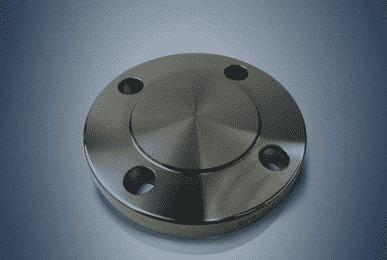

The forging industry is changing faster than it used to. Buyers today expect tighter tolerances, quicker delivery and the same quality in every batch. A flange manufacturer who depends only on manual work will find it hard to keep up. Automation is a big reason why. BFN Forgings Pvt. Ltd. is a flange manufacturer in India that has been serving clients across more than 20 countries for more than two decades. In this blog today we will learn how automation is changing forging processes and what it means for buyers.
Why Automation Matters
Forging has always needed skill. That has not changed. What has changed is how much of the repeat work can now be handled by machines. Heating, shaping and machining involve steps that must be done the same way every single time. Machines are good at that. Skilled people can then focus on checking, planning and solving problems.
Ring Rolling and Forging
Ring rolling is one of the best examples. A heated ring is rolled to the required size under controlled settings. Done manually, the result can vary from piece to piece. A fully automatic ring rolling mill keeps the process steady, so the shape and wall thickness stay consistent. BFN Forgings runs a fully automatic Ring Rolling Mill for this reason.
CNC Machining and Precision
After forging comes machining. This is where the flange gets its final dimensions, bolt holes and finish. CNC machines follow programmed instructions, so the first flange of the day matches the thousandth. BFN Forgings runs CNC machines, which helps the team handle bulk orders without any drop in accuracy.
Manual and Automated Processes
|
Stage |
Done by hand |
At BFN Forgings |
|
Ring rolling |
Size and wall thickness can differ from ring to ring |
The fully automatic Ring Rolling Mill keeps both steady |
|
Machining |
Finish depends on the operator |
CNC machines follow the same program every time |
|
Bulk orders |
Output depends on how many people are available |
82 CNC machines share the load |
|
Corrections |
More pieces need rework |
Fewer pieces need rework before dispatch |
What It Means for Buyers
For procurement teams, this brings real benefits. Delivery timelines become easier to plan. Dimensions match from one batch to the next. Repeat orders get the same standard as the first order. Buyers also spend less time chasing corrections. Every flange still goes through quality checks before dispatch, but there is less to correct.
People Still Matter
Automation does not replace people. Machines need to be set up, monitored and maintained by trained teams. A good process needs both. At BFN Forgings, the skilled team and the machines work together, and that is what keeps the output reliable.
Stub Ends Benefit Too
Products that depend on exact dimensions gain the most from this approach. Stainless steel stub end flanges are a good example. They are used with lap joint flanges, so the fit has to be right for easy alignment and smooth maintenance. Consistent machining makes that possible, batch after batch.
Conclusion
Automation is making forging more precise, more consistent and easier to scale. For buyers, it means better planning and fewer surprises. BFN Forgings has built this into its processes, from forging to machining, and that includes its range of stainless steel stub end flanges. Visit the website to explore the full range or reach out to Team BFN for any specific requirements.
