

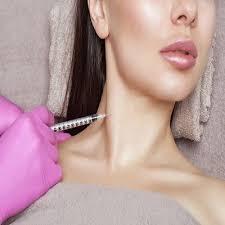

Botox in Dubai is a widely used non-surgical cosmetic treatment that helps reduce the appearance of wrinkles by temporarily relaxing specific facial muscles. Many people consider Botox to soften forehead lines, frown lines, and wrinkles around the eyes while maintaining a natural facial appearance. However, one common question is how Botox affects facial muscle movement over time. Understanding its effects can help individuals make informed decisions about treatment, expectations, and long-term facial care.
How Does Botox Work on Facial Muscles?
Botox is a purified form of botulinum toxin type A that works by temporarily blocking the release of acetylcholine, a chemical messenger responsible for triggering muscle contractions. When injected into selected facial muscles, it reduces their ability to contract.
Repeated facial expressions, such as frowning, raising the eyebrows, and squinting, can gradually contribute to the development of dynamic wrinkles. By reducing excessive muscle activity in targeted areas, Botox helps soften these expression-related lines.
The treatment does not permanently damage facial muscles or stop all facial movement. Instead, it temporarily reduces muscle activity in specific areas while allowing surrounding muscles to continue functioning normally.
What Happens to Facial Muscle Movement Immediately After Botox?
Botox does not produce its full effect immediately after treatment. Most individuals begin noticing changes within three to five days, although the timing can vary depending on the treated area, dosage, and individual response.
As the treatment starts working, targeted muscles gradually become less active. This can make certain facial expressions appear softer and reduce the visibility of wrinkles when making repeated movements.
For example:
-
Forehead muscles may contract less strongly when raising the eyebrows.
-
Muscles between the eyebrows may produce less noticeable frown lines.
-
Muscles around the eyes may create fewer visible wrinkles during squinting.
The surrounding muscles generally retain their normal activity, helping preserve natural facial expression when treatment is appropriately planned.
How Does Botox Change Muscle Movement Over Several Months?
The effects of Botox develop and gradually wear off over time. During the first few weeks, muscle relaxation becomes more noticeable as the treatment reaches its full effect.
Over the following months, the body gradually restores communication between nerves and treated muscles. As this process continues, muscle activity begins returning, and expression lines may slowly become visible again.
The timeline differs between individuals, but typical changes include:
First Week: Muscle activity begins decreasing, and early improvements in expression lines may become noticeable.
Second Week: The treatment generally reaches its full cosmetic effect, with targeted muscles showing reduced movement.
One to Three Months: Muscle relaxation usually remains noticeable, helping soften dynamic wrinkles.
Three to Four Months: Muscle activity gradually returns, and facial movements may become more noticeable.
After Four Months: Many individuals experience a gradual return towards their previous muscle movement, although the duration varies.
These timeframes are general estimates rather than guaranteed results. Individual metabolism, treatment area, dosage, and muscle strength can influence how long the effects last.
Can Repeated Botox Treatments Affect Facial Muscles Long-Term?
Repeated Botox treatments may influence how frequently certain facial muscles contract. Because the targeted muscles experience temporary periods of reduced activity, some individuals may notice that their expression lines become less prominent over time.
In some cases, repeated treatment may contribute to temporary muscle thinning, also known as muscle atrophy, particularly when the same muscles receive frequent injections over an extended period.
However, this does not mean that everyone experiences permanent muscle changes. The extent of any change depends on individual anatomy, treatment frequency, injection technique, and dosage.
A qualified medical professional should assess whether additional treatment is appropriate rather than automatically recommending injections at fixed intervals.
Does Botox Affect Natural Facial Expressions?
One of the main concerns among people considering Botox is whether they will lose their ability to express emotions naturally.
When treatment is properly administered, Botox should reduce unwanted muscle contractions without completely eliminating normal facial expression. The goal is to soften excessive movement while maintaining facial balance.
However, excessive doses or poorly selected injection sites can sometimes lead to an unnatural appearance, including limited eyebrow movement, facial asymmetry, or difficulty making certain expressions.
This is why understanding facial anatomy and individual muscle activity is important before treatment. A personalised approach helps achieve balanced results rather than excessive muscle relaxation.
What Factors Influence How Botox Affects Muscle Movement?
Several factors can influence the response of facial muscles to Botox:
-
Muscle Strength: Stronger facial muscles may respond differently from smaller or less active muscles.
-
Treatment Area: Forehead, eye, and frown muscles have different movement patterns.
-
Dosage: The amount administered influences the degree of muscle relaxation.
-
Individual Metabolism: People may experience different treatment durations.
-
Injection Technique: Accurate placement helps target the intended muscles.
-
Treatment Frequency: Repeated sessions may influence how muscles respond over time.
Considering these factors allows medical professionals to develop a treatment plan based on individual facial characteristics and cosmetic goals.
Botox Treatment at Tajmeels Clinic in Dubai
At tajmeels clinic dubaic, Botox treatment planning focuses on understanding individual facial concerns, muscle movement, and aesthetic expectations. An appropriate consultation helps assess expression lines, facial symmetry, muscle activity, and treatment suitability.
The clinic-based approach considers which areas may benefit from treatment while aiming to preserve natural facial expressions. Patients can discuss their concerns, expected results, possible side effects, and suitable treatment intervals before making a decision.
A personalised assessment is important because Botox requirements can differ significantly depending on facial anatomy, muscle strength, and individual preferences.
Is Botox Suitable for Long-Term Facial Wrinkle Management?
Botox can be an option for managing dynamic wrinkles when used appropriately under qualified medical supervision. However, it is not a permanent solution, and its effects gradually diminish as normal nerve-to-muscle communication returns.
Like other medical treatments, Botox carries potential risks, including bruising, swelling, headache, temporary eyelid drooping, and unwanted changes in facial movement. Rarely, more serious effects such as swallowing or breathing difficulties can occur and require immediate medical attention.
People who are pregnant, breastfeeding, have certain neuromuscular conditions, or have other relevant medical concerns should discuss their suitability with a qualified healthcare professional.
Long-term wrinkle management should also include appropriate skincare, sun protection, and healthy lifestyle habits. Botox should be considered as one part of an individualised aesthetic care plan rather than a replacement for overall skin health.
Understanding how Botox affects facial muscle movement over time helps individuals develop realistic expectations and make informed treatment decisions. With careful assessment, appropriate dosing, and professional follow-up, the treatment can help soften expression lines while maintaining a balanced and natural-looking appearance.
More Information
Tajmeels Clinic Dubai
WhatsApp: +971 56 203 8751
Phone: tel:+971 43739000
Social Media:
