

Roof Inspection and Roof Repair: Protect Your Home with Proactive Roofing Care
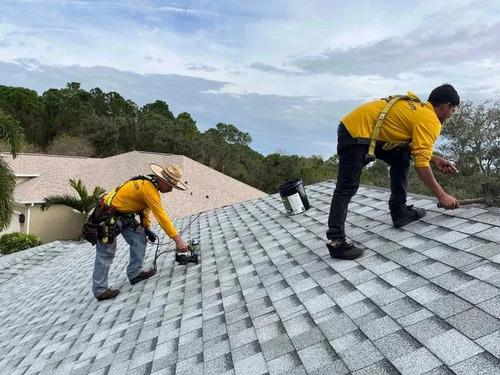
A roof does much more than complete the appearance of a property. It protects your home, belongings, and family from rain, wind, sunlight, and changing weather conditions. However, constant exposure to environmental elements can gradually weaken roofing materials, resulting in leaks, cracks, loose shingles, and structural concerns. Ignoring these warning signs can turn minor damage into expensive restoration work. Regular roof inspection and timely roof repair are essential for maintaining a reliable roofing system and preventing avoidable property damage. Whether you own a residential home or a commercial building, understanding proper roofing maintenance can help extend your roof's lifespan and protect your investment.
Why Every Property Needs a Regular Roof Inspection
Many roofing problems develop gradually and remain unnoticed until visible damage appears inside the property. A small opening around flashing, a loose shingle, or a damaged roofing panel can allow moisture to enter beneath the surface. Over time, this moisture may affect insulation, wooden decking, ceilings, and interior walls.
A professional roof inspection helps identify these concerns before they become serious. Roofing specialists examine the condition of visible materials, roof edges, valleys, flashing, drainage systems, and other vulnerable areas.
Inspections are particularly valuable after severe weather. Heavy rainfall, hail, and strong winds can loosen roofing components or create hidden damage that may not be noticeable from the ground.
By identifying problems early, homeowners can make informed maintenance decisions and avoid unnecessary repair expenses.
Common Roofing Problems Homeowners Should Never Ignore
Understanding the most common roofing issues makes it easier to recognize when professional assistance is required.
1. Missing or Cracked Shingles
Shingles can become loose, brittle, or damaged due to aging and severe weather. Missing sections leave the underlying roofing layers exposed to moisture and sunlight.
2. Water Leaks and Ceiling Stains
Brown ceiling marks, peeling paint, damp insulation, and musty odours may indicate water infiltration. Leaks should be investigated promptly because moisture can spread beyond the original entry point.
3. Damaged Roof Flashing
Flashing protects vulnerable connections around chimneys, skylights, vents, and roof valleys. If these components become loose or deteriorate, water can enter through small gaps.
4. Rust and Corrosion
Metal roofing systems may develop corrosion when protective coatings become damaged or moisture remains on vulnerable surfaces. Early treatment can help prevent further deterioration.
5. Blocked Gutters and Drainage Issues
Leaves, dirt, and debris can prevent rainwater from draining properly. Poor drainage may contribute to water accumulation around roof edges and fascia boards.
When Is Professional Roof Repair Necessary?
Not every roofing problem requires a complete replacement. In many situations, professional roof repair can restore the performance of an existing roofing system without the expense of installing an entirely new roof.
For example, replacing a few damaged shingles, securing loose panels, resealing flashing, or repairing minor leaks may resolve localized issues. The correct solution depends on the roofing material, extent of deterioration, and overall condition of the structure.
However, repeated leaks, widespread material damage, and recurring repair requirements may indicate deeper problems. A professional assessment can determine whether targeted repairs remain practical or whether a larger renovation is necessary.
Taking action quickly is important. Even a small leak can gradually damage insulation, drywall, wooden framing, and other building components.
What Happens During a Professional Roofing Inspection?
A detailed roof inspection involves examining several components to understand the condition of the entire system.
Roof Surface Assessment: Contractors look for cracked shingles, loose materials, damaged metal panels, missing tiles, and visible signs of deterioration.
Flashing and Seal Inspection: Connections around chimneys, vents, skylights, and other roof openings are checked for damaged seals and potential water entry points.
Drainage Evaluation: Gutters and downspouts are examined to identify blockages, poor water flow, and drainage concerns.
Attic Examination: Where accessible, specialists check for moisture stains, ventilation problems, and visible signs of water infiltration.
Structural Assessment: Contractors look for visible sagging, damaged decking, and other conditions that could affect roof stability.
Following the inspection, homeowners can receive recommendations outlining necessary repairs, maintenance priorities, and potential future concerns.
Benefits of Timely Roof Maintenance
Consistent roofing maintenance offers several advantages beyond preventing leaks. Addressing minor damage early can reduce the likelihood of expensive restoration projects and help preserve the original roofing materials.
A well-maintained roof also supports indoor comfort. Damaged roofing components, inadequate ventilation, and moisture problems can affect insulation performance and contribute to temperature fluctuations.
Another important benefit is property value. A roof in good condition improves the overall appearance of a building and can provide reassurance to prospective buyers. Keeping records of professional inspections and completed repairs may also help demonstrate responsible property maintenance.
Most importantly, regular attention helps homeowners understand their roof's condition instead of waiting for an unexpected problem to develop.
DIY Roofing Maintenance or Professional Services?
Homeowners can perform simple visual checks from the ground to identify missing shingles, damaged gutters, fallen branches, and visible signs of deterioration. Keeping accessible gutters free from debris can also support effective drainage.
However, climbing onto a roof without proper safety equipment and experience can be dangerous. Wet surfaces, steep slopes, loose materials, and fragile roofing components increase the risk of accidents.
Professional contractors have the equipment and knowledge required to evaluate difficult areas safely. They can also identify hidden problems that may not be visible during a basic visual assessment.
For significant leaks, structural concerns, damaged flashing, and extensive material deterioration, professional assistance is the most reliable approach.
How Often Should You Schedule a Roof Inspection?
Most homeowners should consider arranging a professional roof inspection at least once or twice a year, depending on the roof's age, material, and environmental exposure.
An additional inspection is recommended after severe storms, hail, or unusually strong winds. Older roofing systems and properties with a history of recurring leaks may benefit from more frequent assessments.
Following a consistent maintenance schedule makes it easier to monitor deterioration and plan repairs before problems become urgent.
Choosing a Reliable Roofing Professional
Finding the right contractor is essential for achieving lasting results. Look for professionals with relevant roofing experience, appropriate insurance, positive customer feedback, and a proven record of quality workmanship.
Always request a detailed estimate explaining the recommended work, material costs, labour charges, and expected project timeline. Ask about warranties and make sure the contractor explains why particular repairs are necessary.
A dependable roofing specialist will provide practical recommendations based on the actual condition of your roof.
Conclusion
Maintaining a strong roof requires regular attention, timely maintenance, and professional expertise. A thorough roof inspection helps identify potential problems before they cause extensive damage, while prompt roof repair restores protection and helps extend the lifespan of your roofing system. From damaged shingles and leaking flashing to drainage concerns and deteriorating panels, addressing roofing issues early can save money and protect your property's value. By following a consistent inspection schedule and working with experienced roofing professionals, homeowners can enjoy greater peace of mind and dependable protection throughout every season.
