

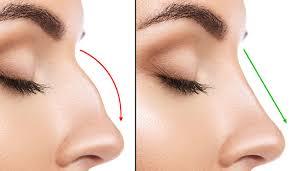
The appearance of the nose can change gradually as the face develops, ages, or experiences changes in skin structure and soft tissue. Some people notice that their nose tip looks wider, rounder, or less defined than before, even when the underlying nasal bones have not changed significantly. These changes can influence overall facial balance and lead individuals to explore Rhinoplasty in Dubai.
The nasal tip is made up of cartilage, skin, connective tissue, and soft structures that work together to create its shape. Because these elements respond differently to ageing, weight fluctuations, and natural facial development, the tip may appear broader over time. Understanding the possible causes can help individuals make informed decisions about their nasal appearance and available treatment options.
How Does Facial Ageing Affect Nose Tip Width?
Ageing is one of the natural factors that can influence nasal appearance. As the face ages, skin elasticity gradually decreases, and supporting tissues may become less firm. These changes can affect how the nasal tip is positioned and defined.
The cartilage structures supporting the nose may also experience gradual changes in strength and positioning. In some individuals, the nasal tip can appear slightly lower, rounder, or less projected.
Additionally, changes in the surrounding facial structures, including the cheeks and upper lip, may alter how the nose looks in proportion to the rest of the face. The nose may not necessarily become significantly wider, but changes in facial balance can make its tip appear more prominent.
Can Changes in Facial Fat Distribution Make the Nose Tip Look Wider?
Changes in facial fat distribution can influence the overall appearance of the nose. Weight fluctuations may affect facial fullness around the cheeks, jawline, and other surrounding areas.
Although the nose does not typically accumulate fat in the same way as the cheeks, changes in nearby facial volume can alter visual proportions. For example, reduced cheek fullness may make the nose appear more noticeable.
Similarly, increased facial fullness can change the way different facial features relate to one another. These visual differences do not necessarily indicate a structural change in the nasal tip.
It is important to distinguish between actual nasal widening and changes in appearance caused by surrounding facial features.
Does Skin Thickness Influence the Appearance of the Nasal Tip?
Skin thickness is an important factor in determining nasal tip definition. People with thicker nasal skin may naturally have a rounder or fuller-looking tip because the underlying cartilage contours are less visible.
Several factors can influence the appearance of nasal skin, including:
-
Natural skin characteristics: Genetics largely determine skin thickness and texture.
-
Age-related changes: Skin elasticity and tissue support can change over time.
-
Sebaceous activity: Oil production can contribute to the appearance of thicker or more textured nasal skin.
-
Soft tissue structure: The amount and distribution of tissue covering the cartilage influence tip definition.
Even when the underlying cartilage structure remains unchanged, differences in skin thickness can make the nose tip appear broader.
This is particularly important when considering rhinoplasty because surgical planning must account for both cartilage structure and the characteristics of the overlying skin.
Can Hormonal Changes Influence Nasal Appearance?
Hormonal changes can affect several aspects of skin health, including oil production, hydration, and tissue characteristics. Some individuals notice changes in facial skin texture or fullness during different stages of life.
However, hormonal fluctuations do not usually cause significant permanent widening of the nasal cartilage. If the nose appears different during a particular period, the change may be related to temporary skin conditions, fluid retention, or other facial changes.
Persistent swelling, redness, tenderness, or sudden changes in nasal appearance should be assessed by a qualified healthcare professional rather than automatically attributed to hormones.
How Can Nasal Cartilage Changes Affect Tip Definition?
The nasal tip is supported by small cartilage structures that help determine its shape, projection, and overall definition. Variations in cartilage strength, position, and natural anatomy can influence whether the tip appears narrow, rounded, or broad.
Some people naturally have wider lower lateral cartilages, which contribute to a fuller nasal tip. Others may develop changes in tip support over time.
Previous nasal injuries or surgical procedures can also influence cartilage positioning and nasal appearance.
A professional assessment can help determine whether the concern is related to cartilage structure, skin thickness, soft tissue, or a combination of these factors.
When Should You Consider Rhinoplasty for a Wider Nose Tip?
People who feel that their nasal tip looks disproportionately wide may consider rhinoplasty to explore possible structural improvements. However, surgery is not necessary simply because the nose changes naturally with age.
Rhinoplasty may be considered when someone has concerns such as:
-
A naturally broad or rounded nasal tip.
-
Limited definition between the nasal tip and bridge.
-
Noticeable asymmetry in the lower nose.
-
A nasal tip that appears disproportionate to other facial features.
-
Structural concerns following an injury or previous nasal surgery.
During rhinoplasty, a surgeon may modify selected cartilage structures to improve nasal tip definition and proportions. The exact approach depends on the patient's anatomy, skin characteristics, functional requirements, and aesthetic goals.
It is also important to understand that thicker skin can limit how sharply the underlying cartilage changes become visible. Realistic expectations are therefore essential when discussing potential outcomes.
What Happens During a Rhinoplasty Assessment?
A detailed rhinoplasty assessment helps identify the underlying reasons for a wider-looking nasal tip. Rather than focusing only on its width, a qualified surgeon evaluates the entire nose and its relationship with surrounding facial features.
The assessment may include:
-
Nasal structure evaluation: Reviewing cartilage, bone structure, and tip projection.
-
Skin assessment: Understanding skin thickness, elasticity, and soft tissue characteristics.
-
Facial proportion analysis: Examining how the nose relates to the cheeks, chin, lips, and forehead.
-
Breathing evaluation: Identifying possible functional concerns involving the nasal passages.
-
Expectation discussion: Understanding the patient's desired changes and explaining realistic surgical possibilities.
This individualised approach helps determine whether rhinoplasty is appropriate and which surgical considerations may be relevant.
Rhinoplasty Consultation at Tajmeels Clinic
At tajmeels clinic dubai, rhinoplasty planning focuses on understanding individual nasal anatomy, facial proportions, and aesthetic concerns. Patients considering nose reshaping in Dubai can discuss concerns such as a rounded nasal tip, limited definition, asymmetry, or changes in nasal appearance.
A personalised consultation helps assess skin thickness, cartilage structure, nasal proportions, and any functional concerns. The clinical team can explain suitable treatment considerations, potential limitations, recovery expectations, and the importance of realistic outcomes.
The aim is to support informed decisions through an individualised assessment rather than applying the same nasal shape or surgical approach to every patient.
What Should You Remember About Changes in Nose Tip Width?
A wider-looking nasal tip can result from several factors, including natural anatomy, ageing, skin thickness, cartilage structure, and changes in surrounding facial proportions. Not every visible difference means that the nose itself has become structurally wider.
Understanding the underlying cause is the first step towards choosing an appropriate approach. For individuals considering rhinoplasty in Dubai, a professional assessment can clarify whether surgical correction may help improve nasal tip definition while maintaining facial balance and considering nasal function.
More Information
Tajmeels Clinic Dubai
WhatsApp: +971 56 203 8751
Phone: tel:+971 43739000
Social Media:
