

What Factors Does Tajmeels Clinic Consider When Planning Hairline Restoration?

Hairline restoration is an important part of hair transplant treatment because the hairline plays a major role in defining facial appearance, balance, and overall hair density. A naturally designed hairline should complement a person's facial proportions, age, existing hair pattern, and individual expectations. However, achieving a suitable result requires more than simply filling areas affected by hair loss. Careful assessment and personalised treatment planning are essential.
People considering a Hair Transplant in Dubai often have questions about how their new hairline will be designed, how many grafts may be required, and whether their existing hair characteristics will influence the outcome. Understanding these factors can help patients make informed decisions before undergoing treatment.
Why Is Hairline Restoration Planning Important?
The hairline is one of the most noticeable features of the scalp. An unsuitable design may appear unnatural or fail to complement the patient's facial structure. Therefore, hairline restoration should be planned according to individual characteristics rather than following a standard pattern.
A well-considered treatment plan takes into account current hair loss, available donor hair, scalp condition, and potential future changes in hair density. It also considers how transplanted hair will blend with the patient's natural hair.
Proper planning helps establish realistic expectations and supports a more balanced approach to hair restoration.
1. Facial Shape and Natural Proportions
Facial structure is an important consideration when designing a hairline. Different face shapes may require different hairline patterns to maintain natural-looking proportions.
For example, someone with a longer face may benefit from a different hairline design than someone with a round or square face. The objective is to create a hairline that complements the forehead, temples, and overall facial appearance.
The distance between the eyebrows and hairline, forehead width, and facial symmetry may also influence the design. Rather than creating an identical hairline for every patient, specialists consider individual facial characteristics.
2. Existing Hair Loss Pattern
Understanding the current pattern of hair loss helps determine the appropriate restoration approach. Some individuals experience gradual recession around the temples, while others develop thinning across the frontal scalp.
Hair loss patterns may also differ between the left and right sides of the hairline. These differences need to be assessed before deciding where transplanted follicles should be placed.
A detailed evaluation helps identify:
-
Areas with reduced hair density.
-
The extent of frontal hairline recession.
-
Existing natural hair growth patterns.
-
Areas that may require additional coverage.
-
Possible progression of future hair loss.
This assessment helps create a treatment plan that considers both present concerns and potential future changes.
3. Donor Hair Availability and Quality
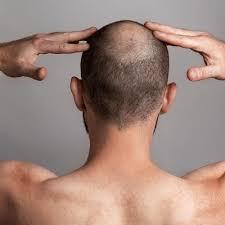
Donor hair is one of the most important factors in hair transplant planning. Hair follicles are generally collected from areas of the scalp with suitable hair growth, often the back and sides of the head.
The density, thickness, strength, and distribution of donor hair can influence how many grafts may be available for transplantation.
A patient with limited donor hair may require a more conservative hairline design. This helps ensure that available follicles are distributed appropriately rather than concentrating too many grafts in one area.
The objective is to achieve a balanced appearance while preserving sufficient donor resources for potential future treatment needs.
4. Hair Thickness, Texture, and Growth Direction
Natural hair characteristics influence how the restored hairline may look after transplantation. Thick hair may provide more visual coverage, whereas finer hair may require a different distribution strategy.
Hair texture also matters. Straight, wavy, and curly hair can create different visual effects depending on how follicles are positioned.
Growth direction is particularly important around the frontal hairline. Natural hair does not grow in a uniform direction, so graft placement should consider the existing angle and orientation.
Careful attention to these details helps transplanted hair blend more naturally with surrounding hair.
5. Age and Potential Future Hair Loss
Age is another factor considered during hairline restoration planning. Hair loss can continue to progress even after a transplant, particularly in individuals experiencing pattern hair loss.
Creating an excessively low or dense hairline at a younger age may not be suitable if surrounding natural hair continues to thin.
A treatment plan should therefore consider the patient's current hair loss stage and possible future changes. A conservative and age-appropriate design may help maintain a balanced appearance over time.
Patients should understand that hair transplantation restores hair in selected areas but does not necessarily prevent untreated natural hair from continuing to thin.
6. Scalp Health and Medical Suitability
Healthy scalp conditions are important for planning hair transplant procedures. Scalp irritation, inflammation, infections, and certain dermatological conditions may influence treatment suitability.
A medical assessment can help identify concerns that need attention before transplantation. The patient's medical history, medications, previous hair treatments, and general health may also be reviewed.
If an underlying scalp condition is identified, appropriate evaluation and management may be recommended before proceeding.
This approach helps ensure that the treatment plan considers the patient's overall suitability rather than focusing only on cosmetic improvement.
7. Graft Distribution and Hairline Density
The number and placement of grafts influence the final appearance of hairline restoration. However, using more grafts does not automatically guarantee a better outcome.
Specialists consider the size of the area requiring coverage, existing hair density, donor availability, and the desired appearance.
The frontal hairline may require a carefully planned transition from finer-looking hair at the front to greater density behind it. This creates a softer appearance rather than an abrupt, artificial-looking border.
Strategic graft distribution also helps preserve donor resources for other areas that may require attention.
How Does Tajmeels Clinic Approach Hairline Restoration Planning?
At tajmeels clinic dubai, hairline restoration planning involves considering individual hair characteristics, facial proportions, scalp condition, and treatment expectations. The assessment may include reviewing the existing hair loss pattern, evaluating donor hair availability, and discussing suitable restoration approaches.
Tajmeels Clinic focuses on personalised treatment planning rather than applying the same hairline design to every patient. Factors such as age, hair thickness, natural growth direction, and potential future hair loss help guide the assessment. Patients can also discuss their desired appearance and understand the limitations, recovery expectations, and possible outcomes of hair transplant treatment.
A detailed consultation helps establish whether hairline restoration is appropriate and what approach may best suit the individual's needs.
What Should Patients Discuss During a Hair Transplant Consultation?
Before proceeding with hairline restoration, patients should understand the treatment process and the factors that may influence their results.
Useful questions to discuss include:
-
Which hairline design may complement my facial structure?
-
How many grafts might be required?
-
Is my donor area suitable for transplantation?
-
Could my existing hair loss progress after treatment?
-
What recovery period should I expect?
-
How long may it take to observe visible hair growth?
-
Will I need additional hair loss management?
Discussing these questions helps patients develop realistic expectations and understand the importance of long-term hair care.
Understanding the Long-Term Goals of Hairline Restoration
Hairline restoration is not simply about filling an area where hair has disappeared. It involves creating a suitable design that considers facial proportions, natural hair characteristics, donor availability, and possible future hair loss.
A personalised assessment helps determine the most appropriate treatment strategy while balancing aesthetic expectations with medical suitability. Patients considering hair transplant treatment in Dubai should prioritise careful planning, realistic goals, and professional guidance when making their decision.
More Information
Tajmeels Clinic Dubai
WhatsApp: +971 56 203 8751
Phone: tel:+971 43739000
Social Media:
