

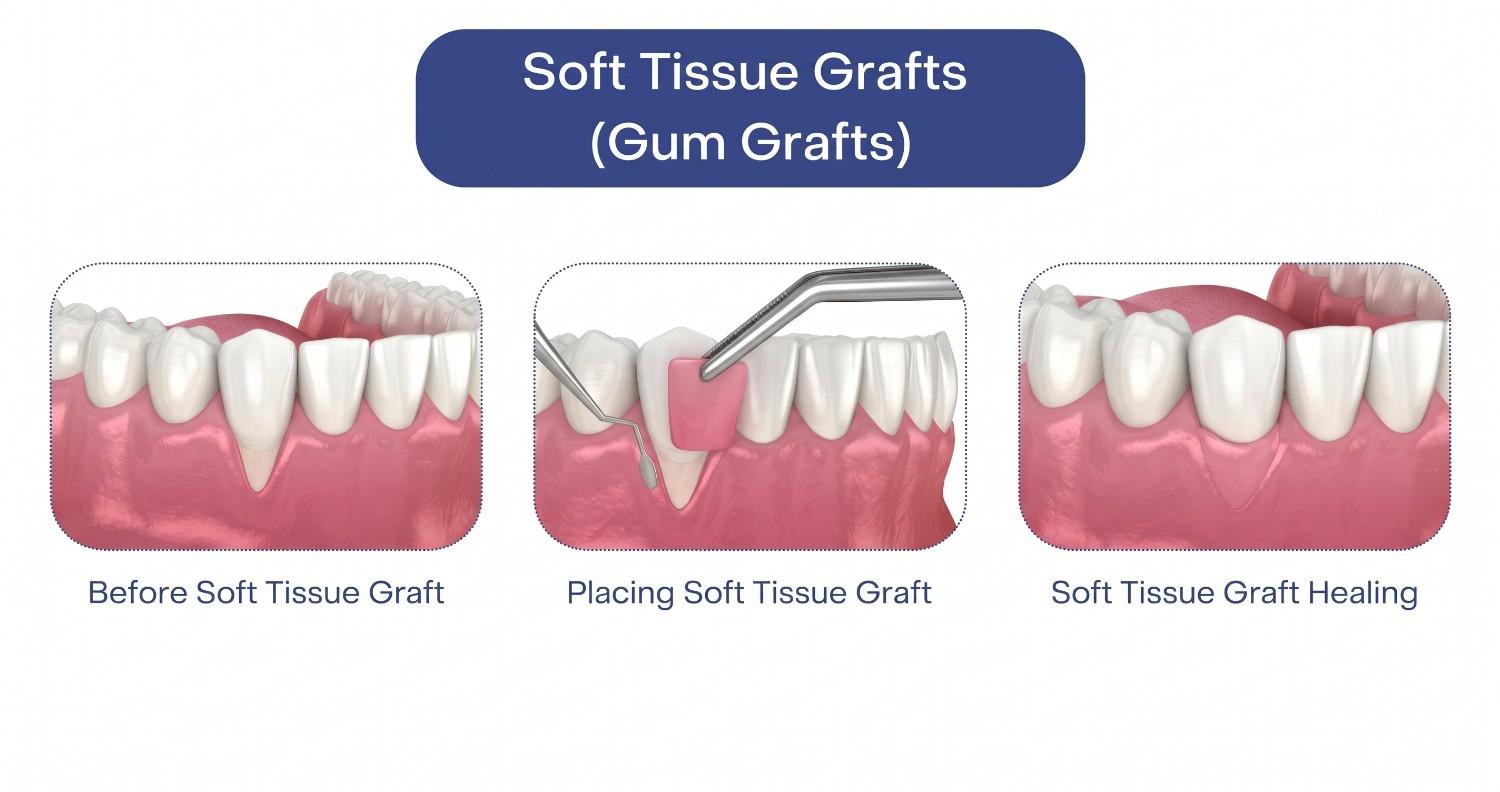

Dental crowns, fillings and veneers can help restore damaged teeth and improve their appearance. However, the health of the surrounding gums remains important for the long-term condition of any restoration. When gum tissue recedes, it may expose the root surface, change the appearance of the gumline and create areas where plaque becomes harder to control. In suitable cases, Gum Grafting in Islamabad may help restore soft tissue coverage or increase the thickness of the gums around affected teeth.
Gum recession around a restored tooth requires careful assessment. The problem may involve the gum tissue, the restoration's position, the condition of the tooth or an underlying periodontal issue. A graft may be appropriate when insufficient gum tissue contributes to the concern, but it does not correct every problem associated with crowns, fillings or veneers.
Understanding the relationship between dental restorations and gum health helps patients make informed decisions about treatment. The first step is identifying why the gumline has changed and whether additional tissue support can improve the situation.
Why Gum Health Matters Around Dental Restorations
A dental restoration should fit comfortably and support normal oral function. The surrounding gums also need to remain healthy so patients can clean the area effectively.
When gum recession develops near a crown, filling or veneer, several concerns may arise:
-
Part of the tooth root may become visible.
-
The gumline may appear uneven.
-
Exposed root surfaces may become sensitive.
-
The margin of an existing restoration may become more noticeable.
-
Food and plaque may collect around difficult-to-clean areas.
-
The patient may experience irritation around the restored tooth.
These symptoms do not automatically mean the restoration has failed. A clinician needs to examine both the restoration and the periodontal tissues before recommending treatment.
How Can Dental Restorations Contribute to Gum Problems?
Dental restorations do not always cause gum recession. However, certain conditions involving their shape, placement or maintenance may irritate the surrounding tissues.
Poorly Fitting Restoration Margins
A restoration with an unsuitable margin may make cleaning difficult or irritate nearby gum tissue. If the margin extends too far beneath the gumline, it may also affect the surrounding periodontal tissues.
The clinician may need to assess the restoration's fit before considering a gum graft.
Excessive Contour
A crown or filling with an overly bulky shape can create an area where plaque collects. Patients may struggle to clean around the restoration, increasing the risk of inflammation.
Correcting the restoration's contour may be more appropriate than performing gum surgery when the restoration itself is the main problem.
Existing Periodontal Disease
Gum disease can affect natural teeth and restored teeth alike. Inflammation and loss of supporting tissue may contribute to recession around a crown or filling.
A clinician generally needs to control active periodontal disease before considering elective grafting.
Aggressive Brushing
Patients sometimes brush harder around crowns and veneers because they want to keep the margins clean. Excessive pressure can contribute to gum recession, especially when the tissue is naturally thin.
A soft-bristled toothbrush and gentle technique can help protect the gumline.
When Might Gum Grafting Be Considered Around a Crown?
A dental crown covers a damaged or restored tooth, but it does not replace the surrounding gum tissue. If recession develops near the crown, the clinician first identifies whether the problem relates to the gum structure, the restoration or both.
A gum graft may be considered when:
-
The gum tissue around the tooth is unusually thin.
-
Recession exposes part of the root near the crown margin.
-
The patient experiences sensitivity associated with exposed root surfaces.
-
The gumline has become uneven and additional tissue may improve its appearance.
-
The area requires greater soft tissue thickness for periodontal stability.
The clinician must also evaluate whether the crown margin is correctly positioned and whether the tooth has adequate supporting structures.
A graft cannot repair a defective crown, treat decay beneath a restoration or replace missing tooth structure. These problems require separate treatment.
Gum Grafting Around Veneers: What Should Patients Know?
Veneers cover the front surface of teeth and often involve treatment near the visible gumline. Healthy gums help maintain a natural appearance around these restorations.
When recession develops around a veneer, patients may notice a visible change in the relationship between the tooth, restoration and gum margin.
However, a gum graft is not automatically necessary. The clinician needs to determine whether the recession is stable, whether the exposed area affects appearance or function and whether the veneer itself remains suitable.
A periodontal assessment may help identify whether additional gum tissue could improve the situation. If the veneer has an unsuitable margin or contour, the dentist may also need to evaluate the restoration separately.
Gum Grafting Near Fillings and Exposed Root Surfaces
Fillings placed near the gumline can sometimes make cleaning more challenging, particularly when they have rough or overhanging margins.
When recession exposes the root near a filling, the clinician may assess:
-
Whether the filling has smooth and suitable margins.
-
Whether plaque accumulates around the restoration.
-
Whether the exposed root has developed decay or abrasion.
-
Whether the gum tissue is inflamed or structurally thin.
-
Whether grafting could provide a meaningful benefit.
In some situations, the dentist may need to replace or adjust the filling before considering periodontal surgery.
This distinction matters because a gum graft does not treat root decay. The clinician must address any active dental disease separately.
What Happens During the Assessment?
A proper examination helps identify the source of the problem and prevents unnecessary surgery.
Recession Measurements
The clinician measures the distance between the gumline and the expected position of the gum margin. Measurements help document the severity of recession and monitor changes over time.
Gum Thickness and Tissue Quality
The clinician checks whether the tissue is thin, thick, firm or inflamed. These characteristics help determine whether a graft may improve the area.
Examination of the Restoration
Crowns, veneers and fillings need to be checked for fit, contour, rough edges and margins that may irritate the gums.
Periodontal Health Review
The examination may include gum pocket measurements, bleeding assessment and evaluation of supporting bone where indicated.
Discussion of Treatment Options
The clinician explains whether the patient needs restoration adjustment, periodontal treatment, gum grafting or a combination of approaches.
Which Gum Grafting Technique May Be Used?
The most suitable technique depends on the location of recession, the available tissue and the intended treatment outcome.
Connective Tissue Graft
This technique is often considered when root coverage and increased tissue thickness are treatment goals. The clinician usually collects connective tissue from beneath the surface tissue of the palate and places it over the affected area.
It may be suitable for selected recession defects near crowns or natural teeth.
Free Gingival Graft
A free gingival graft uses a small piece of tissue taken from the palate and placed directly at the recipient site.
Clinicians may consider this method when the primary objective is to increase the amount of firm gum tissue. The final appearance may differ from the surrounding gums.
Pedicle Graft
A pedicle graft uses tissue from the gum next to the affected tooth. The clinician moves this tissue over the recession while keeping it attached to its original blood supply.
This method requires enough healthy neighbouring tissue.
Donor Tissue Graft
Processed donor tissue may be considered in selected cases. It can reduce the need to collect tissue from the patient's palate, although suitability depends on the clinical situation and treatment goals.
Can Gum Grafting Be Done Before a New Crown or Veneer?
The timing of gum grafting around restorative treatment depends on the condition of the gums and the planned restoration.
If a patient has significant recession or thin gum tissue before receiving a new crown, the dentist may recommend periodontal assessment first. In certain cases, improving the soft tissue condition before finalising the restoration may help the clinician plan the gumline more carefully.
However, not every crown or veneer requires a graft. Many patients can receive restorations without periodontal surgery when their gum tissue is healthy and stable.
The treatment sequence should be decided jointly by the dental and periodontal professionals involved in the case.
What Is the Gum Grafting Procedure Like?
Gum grafting commonly takes place under local anaesthesia. The clinician prepares the affected area and obtains tissue from the selected source if the technique requires it.
The graft is placed over or beside the recession defect and secured with fine sutures. The clinician checks its position and stability before completing the procedure.
The length and complexity of treatment depend on the number of teeth involved and the chosen technique.
Patients should discuss any concerns about anaesthesia, previous dental experiences or medications before surgery.
Recovery After Gum Grafting
Healing requires patience because the graft needs time to integrate with the surrounding tissue.
Early Recovery
Tenderness, swelling and minor bleeding may occur during the first few days. If tissue comes from the palate, the donor site may also feel uncomfortable.
Patients should avoid touching the surgical area and follow the instructions provided by the clinician.
Eating During Healing
Soft foods are generally easier to manage during the initial recovery period. Avoid hard, crunchy or very hot foods that may disturb the graft.
Chew away from the treated area when possible and follow any specific dietary restrictions.
Brushing and Rinsing
Do not brush directly over the graft until the clinician confirms that it is safe. Continue cleaning unaffected areas according to professional instructions.
Avoid forceful rinsing and spitting during early healing.
Follow-Up Visits
Follow-up appointments allow the clinician to check tissue stability, remove sutures when appropriate and guide the return to normal oral hygiene.
The graft may continue to mature for several months, so its final appearance should not be judged during the first few days.
How Much Does Gum Grafting Cost in Islamabad?
The cost depends on the number of affected teeth, the type of graft and the complexity of the procedure. Cases involving existing restorations may also require separate assessment or restorative adjustments.
Common cost factors include:
-
Number of recession sites.
-
Connective tissue, free gingival, pedicle or donor tissue technique.
-
Whether tissue collection from the palate is required.
-
Condition of the surrounding periodontal structures.
-
Need for preliminary treatment.
-
Follow-up and maintenance requirements.
Patients can review information about Gum Grafting cost and request an individual assessment to understand the likely treatment requirements.
A reliable estimate should reflect the actual condition of the gums and restorations rather than assume that every patient needs the same procedure.
How Can Patients Protect Their Gums After Treatment?
Long-term care is important whether a patient has received a gum graft or chosen non-surgical management.
Consider these habits:
-
Brush gently with a soft-bristled toothbrush.
-
Clean around crowns and fillings carefully.
-
Use floss or other recommended cleaning aids correctly.
-
Avoid tobacco products.
-
Attend regular dental and periodontal examinations.
-
Address bleeding or persistent gum irritation early.
-
Ask the dentist to check restorations that feel rough or difficult to clean.
Patients should also avoid trying to adjust or polish restoration margins themselves. A dental professional needs to assess any suspected fitting problem.
When Is a Gum Graft Not the Right Solution?
A graft may not address the main cause of a patient's symptoms. For example, a defective crown, untreated root decay or active periodontal infection requires appropriate treatment before grafting can be considered.
Some recession defects are stable and may only need monitoring. Others may not offer predictable root coverage because of the amount of supporting tissue lost or the position of the tooth.
The clinician should explain the likely benefits and limitations of each option so patients can make an informed decision.
Choosing the Right Dental Assessment in Islamabad
Patients experiencing gum recession around crowns, veneers or fillings should seek an examination rather than assume that the restoration or gum tissue is responsible.
A general dental consultation can help identify whether the concern involves the tooth, restoration or surrounding gums. If periodontal surgery is being considered, an appropriate periodontal evaluation is important.
For general dental information and consultation, patients can visit Dental Clinic Islamabad and discuss their oral health concerns with the dental team.
Conclusion
Gum recession around crowns, veneers and fillings can affect comfort, appearance and oral hygiene. However, the correct treatment depends on identifying the reason for the recession. A gum graft may help improve tissue thickness or root coverage in suitable cases, while restoration adjustments or periodontal treatment may be more appropriate for other patients.
A detailed examination helps determine the best approach. With realistic expectations, careful recovery and consistent oral hygiene, patients can take practical steps towards maintaining healthier gums around both natural teeth and dental restorations.
Frequently Asked Questions
1. Can gum grafting be performed around a dental crown?
Yes, a graft may be considered when recession or thin tissue around a crowned tooth creates a clinical need. The clinician must first examine the crown margins and surrounding periodontal structures.
2. Does a gum graft fix an ill-fitting crown?
No. A gum graft adds soft tissue but does not correct a poorly fitting restoration. The crown may require adjustment or replacement.
3. Can gum recession expose the edge of a veneer?
Yes. Recession can change the visible gumline and make parts of the tooth or restoration margin more noticeable. The clinician needs to assess the cause before recommending treatment.
4. Is gum grafting necessary before every crown or veneer?
No. Many patients have healthy, stable gums and do not require grafting before restorative treatment. The decision depends on individual periodontal conditions.
5. Can a gum graft cover a root exposed near a filling?
It may provide partial or substantial coverage in suitable cases. However, root decay, abrasion and problems with the filling need separate assessment.
6. How long should I wait before brushing near a gum graft?
The timing varies according to the procedure and healing progress. Follow the treating clinician's instructions rather than brushing directly over the graft too early.
7. Can gum recession return around a restored tooth?
Yes. Further recession may develop if contributing factors remain or new periodontal problems arise. Regular examinations and gentle cleaning help maintain gum health.
8. Should I replace my crown before getting gum grafting?
Not necessarily. The clinician should assess the crown's fit, the condition of the gums and the treatment objective before deciding the correct sequence.
