

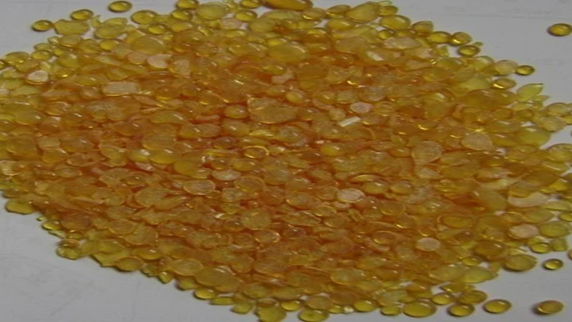
Petroleum Resin Price Trend: Global Price Trends, Forecast, Chart, Prices and Index – Q3 2026

The Petroleum Resin Price Trend remained bearish in the global market during the third quarter of 2026, as lower crude oil prices and softer refinery feedstock costs reduced production expenses for manufacturers.
The decline in key hydrocarbon feedstocks, particularly C5 and C9 fractions, affected the overall cost structure of petroleum resin production. At the same time, demand from important consuming industries remained limited, creating additional pressure on market prices.
Buyers from paints and coatings, printing inks, adhesives, packaging, and road-marking paint industries followed cautious purchasing strategies and preferred to maintain lower inventories.
This combination of reduced production costs, competitive export offers, and weak downstream demand resulted in lower prices across major Asian markets, particularly China and Taiwan.
Please Submit Your Query For Petroleum Resin Price Trend, Market Analysis and Forecast: https://www.price-watch.ai/book-a-demo/
During Q3 2026, the global petroleum resin market experienced a gradual decline, with the downward movement becoming more noticeable towards September. Lower export quotations from Asian suppliers also influenced other import-dependent markets, including parts of the Middle East. Buyers found less reason to purchase large quantities because replacement costs were falling and immediate demand remained moderate. As a result, sellers faced increasing pressure to adjust their offers to secure orders.
Global Petroleum Resin Price Trend in Q3 2026
The global Petroleum Resin Price Trend showed a clear downward direction throughout Q3 2026. The market was influenced mainly by declining crude oil prices, lower refinery feedstock costs, and limited purchasing interest from downstream industries.
Since petroleum resin production depends on hydrocarbon-based raw materials, changes in C5 and C9 feedstock economics directly affected manufacturers' production costs and selling strategies.
When raw material prices started easing, producers experienced lower cost pressure. This reduced the support for maintaining earlier resin prices. At the same time, competition among regional suppliers increased as manufacturers attempted to attract customers through more competitive quotations.
Demand conditions also played an important role. Petroleum resin is used in several industrial applications, including adhesives, paints, coatings, printing inks, packaging materials, and road-marking paints.
However, purchasing activity from these sectors remained relatively weak during the quarter. Many buyers focused on existing inventories instead of placing fresh orders in large quantities.
This situation created a difficult environment for suppliers. Manufacturers had to compete for limited orders while buyers continued negotiating for lower prices. The combination of these factors pushed international Petroleum Resin Prices downward during the quarter.
September brought additional weakness to the market. The global Petroleum Resin Price Index declined at a faster pace, reflecting lower export quotations and continued caution among downstream buyers. The reduction in replacement costs also encouraged buyers to delay purchases whenever possible.
Petroleum Resin Price Chart and Market Performance
The Petroleum Resin Price Chart for Q3 2026 reflected a bearish market across the major Asian supply regions. China and Taiwan recorded average quarterly price declines of approximately 6%, while both markets experienced a further decline of around 10% during September.
The overall price movement indicated that the market was not facing pressure from only one factor. Instead, lower raw material costs and weaker demand were working together to influence supplier quotations.
During July and August, market participants generally adopted a cautious approach. Buyers preferred smaller orders and focused on immediate consumption rather than building additional stocks. Suppliers responded by offering competitive prices to maintain sales volumes and attract export enquiries.
By September, the downward movement became more visible. Continued competition, reduced production-cost pressure, and limited buying interest caused sellers to lower their offers further.
For buyers, this created a relatively favourable purchasing environment. However, for manufacturers and suppliers, lower selling prices meant greater pressure on margins and increased competition for available orders.
Petroleum Resin Price Trend in China
China remained an important market influencing global petroleum resin trade during Q3 2026. The Petroleum Resin price in China declined by an average of around 6% during the quarter as lower crude oil prices and easing refinery feedstock costs reduced production-cost pressure.
The domestic market experienced limited purchasing interest from several important consuming industries. Manufacturers of paints and coatings, adhesives, printing inks, packaging materials, and road-marking paints maintained cautious procurement strategies. Instead of purchasing large quantities, many buyers preferred to source material according to their immediate production requirements.
The movement of C5 and C9 feedstock prices also influenced the pricing decisions of resin manufacturers. As raw material costs became less supportive, suppliers found it difficult to maintain their earlier selling prices.
During July and August, competition among Chinese manufacturers remained strong. Exporters attempted to attract overseas customers through more attractive offers, while buyers continued comparing quotations and negotiating for better prices. This situation limited the possibility of a market recovery.
In September 2026, the Petroleum Resin price in China declined by around 10%. The sharper monthly reduction reflected continued competition among suppliers and subdued demand from downstream industries. Export sellers lowered quotations to secure orders, particularly as overseas buyers remained careful about inventory commitments.
Overall, the Chinese market experienced a challenging quarter, with lower production costs and limited downstream consumption creating continued downward pressure.
Petroleum Resin Price Trend in Taiwan
Taiwan also recorded a decline in petroleum resin prices during Q3 2026. The average price decreased by approximately 6% during the quarter, following the broader weakness across Asian markets.
The Petroleum Resin price trend in Taiwan remained bearish as lower crude oil prices and weaker refinery feedstock economics reduced production-cost pressure. Changes in C5 and C9 hydrocarbon feedstock values influenced manufacturers' cost calculations and selling strategies.
Demand from paints and coatings, printing inks, adhesives, and road-marking paint manufacturers remained limited. These industries did not show sufficient purchasing strength to support a recovery in resin prices. Many buyers continued to purchase according to immediate requirements and avoided holding excess inventory.
The export market also faced pressure from competitive regional quotations. Chinese suppliers offered lower prices, creating additional competition for Taiwanese exporters. This made it more difficult for suppliers to maintain previous price levels, particularly when international buyers had several sourcing options.
In September 2026, Petroleum Resin prices in Taiwan declined by around 10%. The monthly reduction reflected weak downstream demand, lower feedstock-related cost support, and continued pressure on export quotations.
The Taiwanese market therefore followed a similar direction to China, with both regions experiencing falling prices and limited signs of short-term demand improvement.
Key Factors Affecting Petroleum Resin Prices in Q3 2026
Several factors contributed to the downward movement in the global petroleum resin market during the third quarter.
1. Lower Crude Oil Prices
Crude oil is an important starting point for several hydrocarbon-based industrial raw materials. When crude oil prices decline, refinery economics can become less expensive, depending on product availability and regional processing conditions.
During Q3 2026, softer crude oil prices reduced the overall cost pressure faced by petroleum resin manufacturers. This weakened the support for higher selling prices and encouraged more competitive market quotations.
2. Declining C5 and C9 Feedstock Costs
C5 and C9 hydrocarbon fractions are important raw materials used in different petroleum resin grades. Changes in their prices directly influence manufacturing costs.
During the quarter, weaker feedstock economics reduced production-cost pressure. As a result, manufacturers had less reason to maintain earlier price levels, particularly when downstream demand was also limited.
3. Weak Demand from Downstream Industries
Petroleum resin is widely used in adhesives, paints, coatings, printing inks, packaging, and road-marking applications. These industries play an important role in determining overall market demand.
However, purchasing interest remained weak during Q3 2026. Many downstream manufacturers focused on existing stock levels and purchased only when necessary. This reduced the volume of fresh orders and placed additional pressure on sellers.
4. Competition Among Regional Suppliers
Competition among Asian suppliers also contributed to lower prices. Manufacturers in China and Taiwan faced pressure to offer more attractive quotations to maintain export business.
When multiple suppliers compete for a limited number of orders, buyers generally gain stronger negotiating power. This made it difficult for sellers to maintain higher prices throughout the quarter.
5. Cautious Inventory Management
Inventory management remained another important factor affecting the market. Buyers were reluctant to build large stocks while raw material costs and finished resin prices were declining.
Purchasing smaller quantities helped downstream companies reduce the risk of holding expensive inventory. However, this approach also limited market demand and contributed to further price weakness.
Petroleum Resin Price Index: September 2026 Performance
The Petroleum Resin Price Index recorded a stronger downward movement in September 2026, reflecting the continuation of weak market conditions across the major Asian supply regions.
China and Taiwan both experienced monthly price declines of around 10%. These reductions followed average quarterly declines of approximately 6% in each market.
The September movement indicated that the market was facing pressure from both supply-side and demand-side conditions. Lower feedstock costs reduced manufacturers' production expenses, while limited purchasing interest prevented suppliers from recovering their selling prices.
International buyers also benefited from lower export quotations, particularly when sourcing material from Asian suppliers. The availability of competitive offers encouraged buyers to negotiate more actively and remain cautious about future purchases.
The declining index suggested that the market had not yet reached a stable recovery point by the end of the quarter. Manufacturers continued to face the challenge of balancing production costs, inventory levels, and export competition.
Petroleum Resin Market Outlook and Price Forecast
Looking ahead, the petroleum resin market will largely depend on crude oil movements, C5 and C9 feedstock prices, downstream consumption, and export market conditions.
If crude oil and refinery feedstock prices remain relatively soft, manufacturers may continue to experience lower production-cost pressure. This could limit the possibility of a significant price increase, particularly if competition among regional suppliers remains strong.
Demand from adhesives, paints and coatings, printing inks, packaging, and road-marking paint industries will also be important. A gradual improvement in industrial production and fresh purchasing activity could provide some support to market prices.
However, if buyers continue maintaining lean inventories and purchasing only according to immediate requirements, suppliers may face further difficulties in increasing quotations. Chinese and Taiwanese export offers will remain important indicators for import-dependent markets.
Another factor to watch is the relationship between feedstock costs and finished resin demand. Even if raw material prices increase, manufacturers may not be able to pass the full cost increase to customers unless downstream purchasing activity improves.
For market participants, monitoring crude oil prices, C5 and C9 feedstock movements, export quotations, and inventory levels will be important when planning procurement and production activities.
Conclusion
The global Petroleum Resin Price Trend remained negative during Q3 2026, with China and Taiwan recording average quarterly price declines of approximately 6%. The market experienced additional weakness in September, when prices in both regions declined by around 10%.
Lower crude oil prices and softer C5 and C9 feedstock economics reduced production-cost pressure, while weak demand from adhesives, paints and coatings, printing inks, packaging, and road-marking paint manufacturers limited purchasing activity. Strong regional competition and cautious inventory management further contributed to declining prices.
The Petroleum Resin Price Chart and Petroleum Resin Price Index reflected these weaker market conditions, particularly towards the end of the quarter. Going forward, the direction of prices will depend on feedstock costs, crude oil movements, downstream industrial demand, and the level of competition among Asian suppliers.
For manufacturers, distributors, and procurement professionals, keeping track of these market developments will remain important for making better purchasing decisions, managing inventory, and understanding future price movements.
Please Submit Your Query For Petroleum Resin Price Trend, Market Analysis and Forecast: https://www.price-watch.ai/book-a-demo/
About Price Watch™
Price Watch™ is an India-based, independent raw material price reporting agency that provides real-time price forecasts and data-driven insights into global raw material markets. Price Watch™ specializes in tracking raw material prices, analyzing market trends, and delivering timely updates on plant shutdowns, supply disruptions, capacity expansions, and demand-supply dynamics. The Price Watch™ platform empowers manufacturers, traders, and procurement professionals to make faster, smarter decisions. Leveraging AI-powered forecasting and over a decade of historical data, Price Watch™ transforms market volatility into actionable opportunity.
Futura Tech Park,
C Block, 8th floor 334,
Old Mahabalipuram Road,
Sholinganallur, Chennai, Tamil Nadu, Pincode - 600119.
𝐋𝐢𝐧𝐤𝐞𝐝𝐈𝐧: https://www.linkedin.com/company/price-watch-ai/
𝐅𝐚𝐜𝐞𝐛𝐨𝐨𝐤: https://www.facebook.com/people//61568490385598/
𝐓𝐰𝐢𝐭𝐭𝐞𝐫: https://x.com/pricewatchai
𝐖𝐞𝐛𝐬𝐢𝐭𝐞: https://www.price-watch.ai/
