

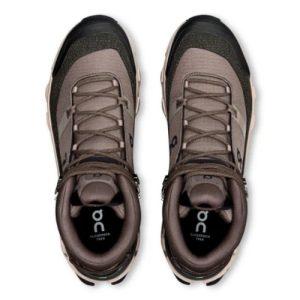

Pick up a pair of On Cloud boots, press on the sole, and you will notice something odd. It does not feel like a thick pillow, yet many wearers describe each step as soft. That feeling comes from a mix of shape, materials, and movement, not from one magic layer of foam. This article explains what makes the sole of On Cloud boots feel soft, how each part works, and what can change that feeling over time.
What Makes the Sole of On Cloud Boots Feel Soft in Daily Steps
The soft feeling starts with the hollow pods on the bottom of the sole. On describes them as hollow pods that stretch back on impact to https://onclouds.com.co/ cushion the landing and then lock to form a solid base for the push off. So your foot meets a yielding surface first and a firm one a moment later. On Cloud began in 2010 in Zurich, Switzerland, when former professional triathlete Olivier Bernhard worked with David Allemann and Caspar Coppetti. Bernhard has said that shoes used to be either soft and slow or fast and hard, and he wanted both qualities in one. Boots from the brand borrow that thinking. One note is worth making: most of the technology descriptions come from On's running range, and boot soles can differ by model, so always read the sole details for the exact pair you want.
How the Pod Design Creates a Soft Landing in On Cloud Boots
You can see the pod style sole on each style in our collection of and every product page lists what that model uses. Look closely at the photos and you will see hollow, rounded shapes along the base.When your heel lands, those hollow shapes squeeze and spread out. That movement takes the sharp edge off the impact, much like a bent knee softens a jump. Because the pods are separate, each one can move on its own, which helps the sole adjust to cracks, curbs, and uneven ground. Then, as your weight rolls forward, the pods firm up, so the step does not feel mushy. Softness here is a quick change, not a constant squish.
The Foam Layer Above the Pods
Pods are only half the story. Above them sits the midsole foam, and the type of foam changes the feel a lot. Many On designs use a foam called onclouds.com.co/on-cloud-boots Helion, which the brand says fuses stiffer foam elements with softer sections and stays steady across temperature changes. That second point matters for boots, since cold mornings make many foams feel hard. A softer top layer gives a gentle first touch, and a firmer base layer gives support underneath. This is why a boot can feel soft at first contact and still feel steady when you stand for a long time. Some models use a single foam, and others use two densities, so the product page is your best guide to what sits inside your pair.
The Hidden Plate That Smooths Each Step
Some On soles hide a thin plate called the Speedboard between the foam and the pods. The brand explains that it is a stiff board that bends on landing and returns to its shape on take off, working a little like a bow. You cannot see it, but you feel its effect as a smooth roll from heel to toe. This helps the soft feeling in an indirect way. Without a plate, a very soft sole can feel wobbly because the foot sinks and has to fight to push off. With a plate, the sole can be cushioned and still guide the foot forward. Not every boot has one, so check whether your model lists it.
Why Soft Does Not Always Mean Thick
Many people expect a soft sole to look tall and puffy. That is not always true. One review of a thick, heavily cushioned On model made the point that maximum cushioning does not automatically mean an exceptionally soft ride. Firm support underneath can make a tall sole feel controlled instead of vague.For boots, this is good news. A boot that looks slim can still absorb shock well if the pods and foam are tuned properly. When you try a pair, judge the feel with a short walk on a hard floor, not by the height of the sole. Some people find the pod sole firmer than they expected, and others find it springy. Both reactions are normal, and comfort is personal.
What Can Change How Soft the Sole Feels
Fit comes first. A boot that is too loose lets your foot slide, and the sole cannot cushion a moving foot well. Socks matter as well, since thick wool socks add a layer of softness and thin socks remove it. Your weight and walking style also decide how much the pods compress.Time and care change the feel too. Cold air can make any sole feel stiffer for the first few minutes, and it usually softens as you walk. Small stones can lodge between the pods and make steps feel uneven, so pick them out after gravel paths. Over many miles, the foam loses some bounce. A stockist care guide notes that visible compression of the pods or a loss of cushioning response are signs it may be time to replace the pair. Most walking footwear lasts a few hundred miles, so a daily walker may need new boots in about a year.
Honest Limits to Keep in Mind
A soft sole is not the right answer for everyone. People who like a very deep, plush feel may prefer another brand, and people who want a flat, firm base for lifting or balance may find pods unusual. On Cloud boots also cost more than basic boots, and some models run narrow, so people with wide feet should look for wide options.Brands such as Hoka, Merrell, Columbia, and Salomon also make well cushioned boots, and some people simply like how those feel. If your job needs safety toe protection or certified slip resistant footwear, choose boots that meet your workplace rules. If you have ongoing foot, knee, or back pain, speak with a doctor or a podiatrist, because a soft sole cannot treat a medical problem.
Final Thoughts on the Soft Sole of On Cloud Boots
The soft feeling in On Cloud boots comes from teamwork. Hollow pods give way on landing and firm up for the push off, the foam above adds cushioning, and a plate in some models smooths the roll forward. Fit, socks, weather, and wear all change the result. Read the sole details on the product page, try the boots on a hard floor in the afternoon with your own socks, and break them in slowly. That is the best way to find out if the softness suits your feet.
FAQs
Why do On Cloud boots feel soft but not mushy?
The pods give way on landing and then lock into a firmer base as you push off. This quick change gives a soft first touch with steady support underneath.
Are all On Cloud boots equally soft in the USA?
No. Each model has its own pod layout, foam, and sometimes a plate. Read the sole details on the product page and try a few styles if you can.
Do On Cloud boots feel harder in cold weather?
Many soles feel a little firmer on freezing mornings and soften after a few minutes of walking. On says its Helion foam is made to stay steady across temperature changes.
How can I tell when the sole of my On Cloud boots is worn out?
Look for flattened pods, smooth tread, or cushioning that feels flat and tired. Most walking footwear lasts a few hundred miles, depending on weight and use.
Can I make the sole of On Cloud boots feel softer?
Wearing thicker socks or a good fitting insole can add softness, but only if the boot still fits well. Keep stones out of the pods and replace worn boots on time.
