

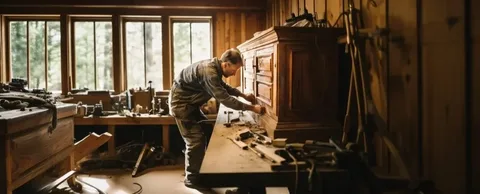
How Professional Repairs Restore Damaged Furniture and Improve Its Everyday Use?

Furniture plays an important role in making a home comfortable and functional. From dining tables and chairs to cabinets, sofas, and bedroom furniture, these pieces are used every day. Over time, regular use can lead to loose joints, scratches, broken components, worn finishes, and other problems that affect both appearance and convenience. When damage appears, replacing the entire piece isn't always necessary. Professional Furniture Repair can address specific problems and help restore furniture to a condition that's suitable for continued use. With the right repair approach, homeowners can preserve familiar pieces, avoid unnecessary replacement costs, and make better use of the furniture they already own.
Common Furniture Problems That Affect Everyday Use
Furniture damage often starts with small issues. A chair may begin to wobble, a drawer may stop sliding smoothly, or a tabletop may develop scratches. These problems can seem minor at first, but they can become frustrating when they interfere with daily activities.
Loose Joints and Unstable Frames
Chairs, tables, and cabinets depend on strong connections to remain stable. Screws, brackets, wooden joints, and other fasteners can loosen after years of movement and regular use.
A dining chair with a loose leg, for example, may become uncomfortable or unsafe. Tightening a visible screw might help temporarily, but the underlying joint could require more attention. A proper repair may involve disassembling the connection, cleaning old adhesive, reinforcing the joint, and reassembling the piece securely.
Scratches, Dents, and Surface Damage
Wooden furniture can develop marks from everyday activities. Keys, dishes, decorative objects, and accidental impacts may leave scratches or dents. Water spills and heat can also affect certain finishes.
Common surface problems include:
-
Scratches on tables and cabinet doors.
-
Water rings and cloudy patches.
-
Chipped edges and corners.
-
Faded or peeling finishes.
-
Discoloration caused by sunlight.
The correct treatment depends on the material and depth of the damage. Some imperfections may need simple touch-ups, while deeper marks could require filling, sanding, or refinishing.
Damaged Drawers, Hinges, and Hardware
A cabinet door that won't close properly or a drawer that repeatedly gets stuck can make furniture difficult to use. Sometimes the issue is caused by loose hardware, worn runners, misaligned hinges, or damaged wooden components.
A professional inspection can help determine whether adjustment, replacement hardware, or structural repair is needed.
How Professional Repairs Restore Furniture Functionality?
Repairing furniture should involve more than hiding visible damage. The goal is to address the problem in a way that makes the piece dependable and practical again.
Identifying the Cause Before Starting Work
A repair professional first needs to understand why the damage occurred. For instance, a table that rocks may have an uneven leg, a loose joint, or a weakened frame. Treating only the visible symptom may leave the original problem unresolved.
An assessment may include checking:
-
The strength and condition of the frame.
-
Joints, screws, brackets, and fasteners.
-
The condition of drawers and moving parts.
-
Surface finishes and damaged areas.
-
Previous repairs that may have weakened the structure.
This process helps determine which areas need attention and which parts can remain unchanged.
Selecting Suitable Repair Materials
Different furniture materials require different methods. Solid wood, veneer, laminate, metal, and upholstery each have their own repair requirements.
For example, repairing a small crack in solid wood may involve a suitable filler or adhesive. A damaged veneer surface may require a more delicate approach to avoid removing or splitting the thin outer layer.
Using compatible materials helps create a more reliable repair and reduces the chance of additional damage.
Improving Comfort and Safety
Structural problems can affect how furniture feels and performs. A loose chair may be uncomfortable to sit on, while an unstable table can make everyday tasks difficult.
Repairing damaged connections, replacing worn supports, and correcting alignment can improve usability. For furniture that receives frequent use, these improvements can make a noticeable difference to daily comfort.
Restoring the Appearance of Worn Furniture
Functionality matters, but appearance is another major reason homeowners consider repairs. Furniture often contributes to the overall look of a room. A scratched dining table or faded cabinet can make an otherwise tidy space feel less polished.
Repairing and Refinishing Wooden Surfaces
Wood restoration may involve cleaning, sanding, filling imperfections, staining, and applying a suitable protective finish. The exact process depends on the existing coating and the condition of the wood.
A dining table with a worn top, for example, may benefit from careful surface preparation and refinishing. The aim is to improve its appearance without unnecessarily changing its original color or character.
Before refinishing, consider:
-
Whether the original finish can be preserved.
-
If the wood has deep scratches or surface-level marks.
-
Whether the new finish should match nearby furniture.
-
How the item will be used after restoration.
A professional can explain which options are realistic for the particular piece.
Addressing Upholstery and Decorative Details
Upholstered furniture may develop torn fabric, loose seams, flattened cushions, or damaged padding. Depending on the condition, repairs may involve stitching, replacing selected fabric sections, or improving internal support.
Decorative details also deserve attention. Handles, trim, carved features, and other fittings can affect the furniture's overall appearance. Repairing or replacing these components carefully can help maintain a consistent look.
Why Older and Valuable Furniture Needs Careful Handling?
Some furniture pieces have more than practical value. An antique cabinet, inherited dining set, or handcrafted wooden chair may carry family memories or reflect a particular style of craftsmanship.
These items shouldn't automatically be treated like ordinary modern furniture. Their age, materials, construction, and original finish should all be considered before work begins.
Preserving Original Character
Restoration doesn't always mean making an older item look brand new. Small signs of age may contribute to its character, and removing every mark could change the appearance that makes it special.
Discuss your preferences before work begins. Explain which original features matter most, such as decorative carving, traditional hardware, wood grain, or an aged finish.
Avoiding Unnecessary DIY Repairs
Homeowners sometimes attempt repairs using general-purpose glue, household cleaners, or sanding tools. While simple maintenance can be useful, the wrong treatment may cause further damage.
For example, aggressive sanding can remove a thin veneer layer, while unsuitable cleaning products may affect an older finish. If a piece is valuable or has sentimental importance, getting professional advice before attempting a major repair is a sensible step.
Expert Furniture Restoration takes the furniture's construction and condition into account, helping preserve distinctive details while addressing practical problems.
Choosing a Furniture Repair Professional and Maintaining the Results
Choosing someone to work on your furniture requires more than comparing prices. You want a professional who understands the materials, explains the repair process, and can provide a realistic assessment of the work.
Before making a decision, consider these points:
-
Ask about relevant experience: Find out whether the professional has worked with similar furniture materials and damage.
-
Request an assessment: A clear explanation of the problem helps you understand what needs to be repaired.
-
Discuss the materials: Ask which adhesives, finishes, hardware, or replacement components will be used.
-
Review previous work: Examples of completed repairs can help you understand the professional's approach.
-
Get a written estimate: Confirm the expected work, costs, and timeline before proceeding.
After the repair, regular care can help maintain the results. Dust furniture with a soft cloth, clean spills promptly, use coasters and protective pads, and avoid dragging heavy pieces across the floor. Keep wooden furniture away from excessive moisture and direct sunlight when possible.
If a joint becomes loose or a surface starts showing new damage, address it early rather than waiting for the problem to become more serious.
Give Your Furniture a More Useful Future
Damaged furniture doesn't always need to be replaced. Loose joints, worn finishes, broken hardware, and surface imperfections can often be addressed with the right repair method. A careful assessment helps identify the actual problem, while suitable materials and workmanship can improve both appearance and everyday functionality.
Silva's Furniture Repair can help homeowners explore practical options for restoring furniture they want to keep. If a favorite chair has become unstable or a table no longer looks its best, consider arranging a professional assessment. Investing in appropriate repairs can help preserve familiar pieces and keep them useful for years to come.
