

Which Dubai Clinic Is Best for Hair Transplant in Dubai? A Balanced Comparison
There is no single clinic that is best for everyone seeking a hair transplant. The right provider depends on the pattern of hair loss, the condition of the donor area, the technique that suits the case, and the standard of aftercare on offer. Hair Transplant in Dubai is available from a wide range of providers, from large hospitals to small specialist clinics, and their approaches differ in ways that matter.
This guide sets out the facts a reader needs before comparing clinics: how the procedure works, what it cannot do, and the questions that separate a careful provider from a hasty one. It then presents eight well-known Dubai clinics for comparison.
FUE, FUT and the Importance of Donor Management
Two main harvesting methods are used in modern practice. Follicular unit extraction, known as FUE, removes individual follicular units one by one from the donor area, leaving tiny dot-like marks that are usually easy to conceal. Follicular unit transplantation, known as FUT, removes a narrow strip of scalp from the donor area, which is then divided into individual units, and can be useful when a large number of grafts is needed in a single session.
Neither method suits every patient. The right choice depends on the amount of hair needed, the condition and density of the donor area, the patient's preferred hairstyle, and the surgeon's judgement. A person who wears their hair very short may prefer FUE, while a person who needs a large number of grafts may be advised to consider FUT. The consultation should explain the trade-offs clearly, including what each method means for the donor area in the long term.
Donor management is one of the least discussed parts of the procedure, yet it shapes the long-term result. The donor area contains a finite supply of follicles, and taking too many from one place can leave it looking thin. A careful surgeon will spread harvesting evenly and preserve enough donor hair for possible future sessions.
How the Procedure and Recovery Unfold
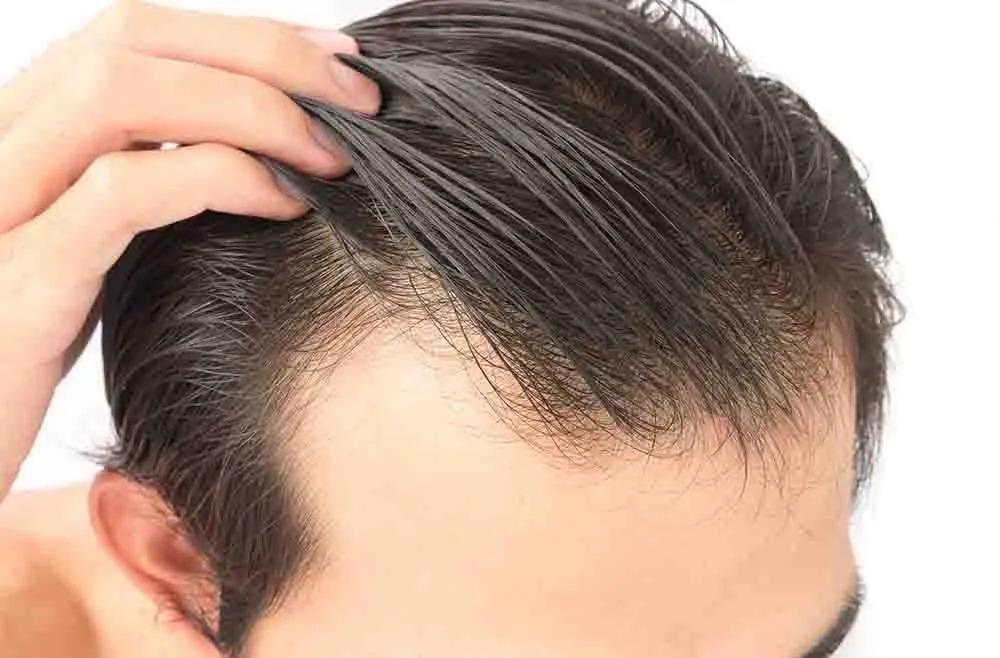
A hair transplant relocates hair follicles from an area where hair still grows strongly, usually the back and sides of the scalp, to an area where it has thinned or stopped growing. The follicles in the donor area are generally resistant to the pattern of loss affecting the front and crown, and once moved they usually keep growing in their new position. The procedure does not create new hair; it redistributes the hair a person already has, so the donor supply sets a firm limit on what can be achieved.
The procedure is normally carried out under local anaesthetic, and the patient remains awake throughout. A session can last several hours, and a large session may take most of a day. Afterwards the scalp is usually tender, and small crusts form around the grafts. These settle over the following days and weeks. Most people return to light daily activity within a few days, although strenuous exercise, swimming and direct sun exposure are usually avoided for a period advised by the treating team.
The transplanted hairs usually shed within the first few weeks, which is normal, and new growth typically begins after three to four months, with fuller coverage developing over nine to twelve months. The final density depends on the number of grafts placed, the quality of the donor hair, the size of the area treated, and the natural characteristics of the hair, such as thickness, colour and curl.
Honest Limitations
A transplant is not a cure for genetic hair loss. It moves existing follicles; it does not stop the underlying process that caused the original thinning. Hair that was not transplanted can continue to thin over time, which is why a good plan takes future loss into account and why some patients later consider a second session.
Results take months to appear, and no surgeon can guarantee a particular density or a full head of hair. An assessment is essential before any decision is made, because a transplant only works where there are active, healthy follicles to move. People with very advanced loss, a weak donor area, or certain scalp conditions may be advised that a transplant is not the right step for them.
Comparing Clinics Offering Hair Transplant in Dubai
The clinics below are presented for comparison. Each is a recognised provider in Dubai, UAE, and each should be assessed on its own merits through a consultation. Patients are encouraged to visit more than one clinic and ask the same questions at each before deciding.
1. Dynamic Life Clinic
Dynamic Life Clinic is a cosmetic and aesthetic clinic in Dubai, UAE, offering a range of surgical and non-surgical treatments, including hair restoration. Patients considering a transplant may explore its services and enquire about the surgeons who carry out the procedure, their experience with similar cases, and the techniques they use.
Prospective patients should also ask about consultation fees, what the consultation includes, and what aftercare follows the procedure.
2. Emirates Hospital
Emirates Hospital is a general hospital in Dubai, UAE, with departments covering a range of medical and surgical specialties, including cosmetic and plastic surgery. Patients considering a hair transplant may explore its services and enquire about the surgeons on its team and their experience with hair restoration procedures.
A hospital setting may appeal to patients who value access to broader medical facilities and inpatient support.
3. Enfield Royal Clinic Dubai
Enfield Royal Clinic Dubai is a plastic, cosmetic and aesthetic clinic based in Dubai, UAE. The clinic was established in 2007 and states that it has performed more than 3,500 plastic surgeries and delivers over 20,000 aesthetic treatments each year, with DHA-licensed medical professionals on its team. It is located at Villa 1089, Al Wasl Road, Al Manara, Dubai, UAE. Its services include plastic surgery, cosmetic procedures, dermatology, hair transplant, cosmetic injectables, laser treatments and dentistry, and treatment planning is described as personalised according to individual patient needs.
For patients considering a hair transplant, the clinic offers the procedure as part of its hair transplant services. A consultation would typically include an assessment of the donor area and the area of loss, a discussion of the patient's goals, and an explanation of which technique is recommended and why. Patients may enquire about the surgeon's experience, the number of grafts proposed, and how the hairline will be designed.
The clinic also provides procedure-specific aftercare, which matters a great deal in hair restoration because the result develops over many months. Patients should ask what aftercare involves, how many follow-up appointments are included, and who to contact if they have concerns. A clinic that stays in touch through the growth period can make a real difference to a patient's confidence.
4. Cocoona Clinic
Cocoona Clinic is a cosmetic surgery and aesthetic clinic in Dubai, UAE, offering surgical and non-surgical treatments, including hair transplant services. Patients interested in a transplant may explore its services and enquire about the surgeons who carry out the procedure and the techniques they favour for different patterns of hair loss.
Patients should also ask what a consultation covers and what aftercare is included.
5. Tajmeels Clinic
Tajmeels Clinic is a cosmetic and aesthetic clinic in Dubai, UAE, providing a range of surgical and non-surgical treatments, including hair restoration. Patients considering a transplant may explore its services and enquire about the experience of its surgeons with the procedure and the results that can reasonably be expected.
Prospective patients should use the consultation to ask about the surgeon's approach, the likely recovery timeline, and the aftercare provided.
6. Dubai Cosmetic Surgery Clinic
Dubai Cosmetic Surgery Clinic is a cosmetic surgery clinic in Dubai, UAE, offering a range of surgical procedures, including hair transplants. Patients may explore its services and enquire about the surgeons who perform the procedure, their experience, and the techniques they recommend for each individual case.
Patients should also ask what is included in the surgical fee and what aftercare is provided.
7. Al Zahra Hospital Dubai
Al Zahra Hospital Dubai is a private hospital in Dubai, UAE, offering a wide range of medical and surgical services, including plastic and cosmetic surgery. Patients considering a hair transplant may explore its services and enquire about the surgeons who perform the procedure and their experience with hair restoration.
A hospital environment may suit patients who prefer the reassurance of full medical facilities and inpatient care.
8. King's College Hospital London Dubai
King's College Hospital London Dubai is a hospital in Dubai, UAE, providing a broad range of medical and surgical services, including plastic and cosmetic surgery. Patients considering a hair transplant may explore its services and enquire about the surgeons who carry out the procedure and their experience with hair restoration.
Patients should also ask about the consultation process and the aftercare provided after the procedure.
How to Judge a Clinic Before You Commit
Choosing a clinic deserves as much care as choosing the procedure itself. The following points can help structure the comparison.
Experience and qualifications. Ask how often the surgeon performs hair transplants and how many years they have focused on hair restoration. Confirm that the surgeon is appropriately qualified and licensed to practise in Dubai, UAE.
Hairline design. The hairline is the most visible part of the result, and a natural design matters more than the number of grafts. Ask how the hairline will be planned, whether it suits your age and face shape, and whether it allows for future hair loss.
Donor management. Ask how the surgeon plans to protect the donor area and whether enough donor hair will be preserved for a possible future session.
Consultation and assessment. A proper consultation should include an examination of the donor area and the area of loss, a discussion of your goals, and an honest assessment of what is achievable. Be cautious of any provider that pressures you to book on the spot.
Aftercare and follow-up. Ask what aftercare is included, how many follow-up appointments are scheduled, and who to contact if problems arise. Recovery and growth from a hair transplant take many months, and good follow-up care is part of the service.
Frequently Asked Questions
What is the difference between FUE and FUT?
In FUE, individual follicular units are removed one by one from the donor area, leaving tiny dot-like marks. In FUT, a narrow strip of scalp is removed from the donor area and divided into individual units. The surgeon should explain which method suits the individual case and why.
How long does it take to see results?
New growth usually becomes visible after three to four months, with fuller coverage developing over nine to twelve months. The transplanted hairs normally shed within the first few weeks, which is expected. Final density depends on the number of grafts placed, the quality of the donor hair, and the size of the area treated.
Am I too young for a hair transplant?
Age alone does not decide suitability, but the stability of hair loss matters a great deal. A young person whose loss is still progressing rapidly may need a plan that allows for future change, rather than a design that looks right only for the present pattern. The surgeon should assess the pattern, the rate of change and the donor area before advising whether the time is right.
Will the transplanted hair look natural?
A well-planned transplant should look natural, with a hairline that suits the person's age and face shape and grafts placed at a natural angle and direction. In the first weeks there will be visible signs of the procedure, including tenderness, crusting and shedding, and the result develops gradually over many months.
Can a transplant treat a thinning crown?
A thinning crown can often be treated, but the crown usually needs a relatively large number of grafts because the area is wide and the hair grows in a swirling pattern. The surgeon should assess the donor supply and explain honestly whether the crown can be covered to a satisfactory density, or whether the hairline should take priority and the crown be addressed in a later session.
Conclusion
There is no single best clinic for every patient, and the honest answer to the question in the title is that the best clinic is the one that assesses your case carefully, plans the hairline and donor area with the future in mind, and supports you through the long months of growth.
For readers ready to take the next step, learning more about the hair transplant procedure — the techniques, the recovery, and what a thorough consultation should cover — is a sensible way to prepare before discussing your own case in person.
