

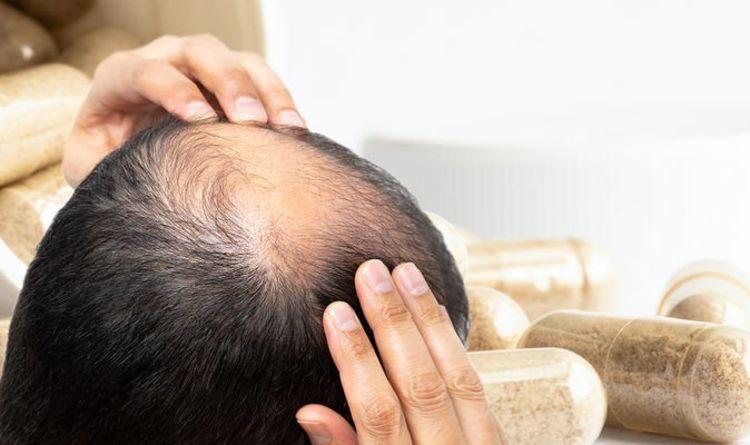

Hair loss can be a frustrating experience that affects not only physical appearance but also confidence and emotional well-being. Whether you are experiencing gradual thinning, a receding hairline, bald patches, or excessive hair shedding, finding the right clinic is an important step towards managing the condition. However, not every hair loss concern has the same cause, and choosing a treatment without understanding the underlying problem may lead to disappointing results. A reliable clinic should focus on individual concerns, accurate assessment, realistic expectations, and suitable treatment recommendations.
For people exploring professional hair loss treatment in Islamabad, selecting a clinic involves more than comparing treatment prices or promotional offers. The right healthcare team should listen to your concerns, understand your hair history, and recommend an approach based on your individual needs.
Understand Your Hair Loss Concerns Before Choosing a Clinic
Before visiting a clinic, it is helpful to understand the changes you have noticed in your hair. Hair loss can develop for several reasons, including genetics, hormonal changes, nutritional deficiencies, stress, medical conditions, and certain medications.
Common hair loss concerns include:
-
Male and female pattern baldness: Gradual thinning that often follows a hereditary pattern.
-
Excessive hair shedding: Increased hair fall that may occur after illness, stress, nutritional changes, or hormonal fluctuations.
-
Alopecia areata: An autoimmune condition that can cause round or irregular bald patches.
-
Thinning hair: Reduced hair density that may become noticeable around the crown or hairline.
-
Receding hairline: Gradual hair loss around the temples and forehead.
A professional clinic should investigate these concerns rather than immediately recommending a cosmetic procedure. Understanding the possible cause helps determine whether medical management, supportive therapies, or hair restoration procedures may be appropriate.
Check the Qualifications and Experience of Hair Specialists
One of the most important factors when choosing a hair loss clinic is the expertise of its medical team. Hair restoration involves understanding scalp health, hair growth cycles, follicular function, and different types of hair loss.
Look for a clinic that provides access to qualified professionals with relevant experience in hair restoration and hair loss management.
Consider checking:
-
Medical qualifications and professional credentials.
-
Experience with different types of hair loss.
-
Knowledge of surgical and non-surgical hair restoration options.
-
Experience in evaluating male and female hair loss patterns.
-
Ability to explain treatment benefits, limitations, and potential risks.
An experienced specialist should be comfortable discussing whether you are a suitable candidate for a particular treatment. They should also explain when a dermatologist or another medical professional may be needed for further evaluation.
Look for Clinics That Offer Proper Hair and Scalp Assessment
A trustworthy clinic should never recommend a treatment without first understanding your condition. A detailed consultation helps identify possible contributing factors and provides a foundation for personalized care.
During an initial assessment, the specialist may review:
-
Your medical and family history.
-
The duration and pattern of hair loss.
-
Previous hair treatments or medications.
-
Scalp condition and visible signs of inflammation.
-
Hair density and donor area suitability, if transplantation is being considered.
Depending on your symptoms, blood tests or additional medical investigations may also be recommended.
This assessment is particularly important because different conditions require different management strategies. For example, hereditary hair thinning may need a different approach from temporary hair shedding or autoimmune-related hair loss.
Compare Available Hair Loss Treatment Options
A clinic that understands your concerns should offer suitable treatment options rather than promoting one procedure for everyone. Treatment recommendations should depend on the diagnosis, severity of hair loss, age, medical history, and personal expectations.
Some commonly discussed hair restoration options include:
PRP Hair Treatment: Platelet-Rich Plasma therapy uses a preparation derived from the patient's own blood. It may be considered as a supportive treatment for certain types of hair thinning.
Hair Transplant: This surgical procedure moves hair follicles from a donor area to areas affected by hair loss. FUE and FUT are commonly used techniques, with suitability depending on individual factors.
Exosome Hair Therapy: Exosome-based treatments are promoted in hair restoration, but clinical evidence regarding their effectiveness and long-term safety remains limited. Patients should discuss regulatory status and available evidence with a qualified specialist.
Medical Hair Loss Management: Depending on the cause, a doctor may recommend approved medications, nutritional assessment, or treatment of an underlying medical condition.
A responsible clinic explains what each option can and cannot achieve. It should never guarantee permanent results or promise the same outcome for every patient.
Evaluate Consultation Quality and Patient Communication
A good consultation should feel like a conversation rather than a sales presentation. The specialist should listen carefully, answer questions, and explain the available choices in understandable language.
Pay attention to whether the clinic:
-
Gives you enough time to explain your concerns.
-
Answers questions about treatment procedures and recovery.
-
Discusses possible side effects and limitations.
-
Explains expected timelines and follow-up requirements.
-
Provides realistic information about costs.
-
Respects your decision without unnecessary pressure.
Clear communication helps patients make informed decisions and develop realistic expectations before beginning treatment.
Review Patient Experiences and Treatment Results
Patient feedback can provide useful insights into a clinic's service quality, communication, and overall treatment experience. However, online reviews and before-and-after photographs should be evaluated carefully.
When reviewing patient experiences, consider:
-
Whether reviews describe the consultation and aftercare.
-
Whether treatment photographs show consistent lighting and angles.
-
Whether results are presented with realistic timelines.
-
Whether the clinic explains that outcomes vary between individuals.
-
Whether patient privacy is respected.
Do not rely entirely on social media advertisements or dramatic transformation photographs. A professional clinic should be transparent about its treatment process and limitations.
Consider Aftercare and Long-Term Support
Hair loss management often requires ongoing attention. Some treatments involve multiple sessions, while others require follow-up assessments to monitor progress.
Before choosing a clinic, ask about its aftercare arrangements. Find out whether specialists are available to review your progress, address complications, and modify treatment recommendations when necessary.
A reliable clinic should explain:
-
How frequently follow-up appointments are required.
-
What recovery or maintenance may involve.
-
When improvements can reasonably be evaluated.
-
What to do if hair shedding continues.
-
Whether additional treatment may be necessary.
Long-term guidance is particularly important for individuals experiencing progressive hair thinning or considering surgical hair restoration.
Why Consider SKN Cosmetics in Islamabad for Hair Loss Concerns?
For individuals exploring professional hair restoration services, SKN Cosmetics in Islamabad is one clinic to consider when comparing available options. Patients can explore its hair restoration services and discuss their concerns through a professional consultation. Before selecting any treatment, it is important to understand the proposed procedure, the qualifications of the treating professional, individual suitability, and expected outcomes.
Whether someone is considering PRP hair treatment, hair transplant, or another hair restoration approach, the decision should be based on proper assessment rather than assumptions. Patients should ask about treatment planning, safety measures, follow-up support, and realistic expectations to determine whether the available services align with their needs.
Make an Informed Decision for Your Hair Health
Choosing a clinic that understands your hair loss concerns requires careful research and a clear understanding of your expectations. Medical expertise, personalized assessment, transparent communication, suitable treatment options, and reliable aftercare are all important considerations.
Instead of choosing a clinic based only on pricing or advertising, prioritize professional guidance and evidence-informed recommendations. The right approach begins with identifying the cause of hair loss and selecting a treatment that is appropriate for your individual condition.
With proper evaluation and realistic expectations, you can make a more confident decision about managing hair loss and supporting your long-term hair health.
Frequently Asked Questions (FAQs)
1. How do I choose the right hair loss clinic?
Look for qualified specialists, proper scalp assessment, transparent treatment information, and reliable aftercare.
2. Should I consult a specialist before hair loss treatment?
Yes. A professional assessment helps identify possible causes and suitable treatment options.
3. Which treatment is best for hair loss?
It depends on the cause, severity, medical history, and individual treatment suitability.
4. Can a hair loss clinic treat thinning hair?
Yes. Clinics may offer medical guidance and suitable hair restoration options depending on the diagnosis.
5. Is hair transplant suitable for everyone?
No. Donor hair availability, overall health, and the pattern of hair loss influence eligibility.
