

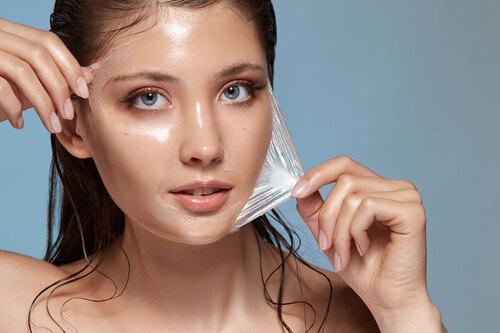
How Does Tajmeels Clinic Assess Skin Sensitivity Before Chemical Peeling?

Chemical peels are popular skin treatments designed to improve skin texture, uneven tone, dullness, acne marks, and visible signs of ageing. However, not every skin type responds to exfoliating ingredients in the same way. Some individuals have naturally sensitive skin, while others experience temporary sensitivity due to environmental exposure, skincare products, or existing skin conditions. This makes a proper skin assessment an important step before starting Chemical peel in Dubai treatment.
Understanding how the skin reacts to different ingredients helps determine whether a chemical peel is suitable and which formulation may be appropriate. A personalised assessment also helps reduce the possibility of excessive irritation and supports safer treatment planning. At Tajmeels Clinic, evaluating skin sensitivity is an important part of developing an individualised chemical peel approach.
Why Is Skin Sensitivity Important Before a Chemical Peel?
Skin sensitivity refers to how easily the skin reacts to external substances, environmental conditions, and skincare treatments. Sensitive skin may experience redness, itching, dryness, burning sensations, or irritation when exposed to certain ingredients.
Chemical peels use exfoliating acids to remove dead skin cells and encourage skin renewal. Common ingredients include glycolic acid, salicylic acid, lactic acid, and mandelic acid. Each ingredient has different properties and may be suitable for particular skin concerns.
Before recommending a treatment, a professional assessment helps identify whether the skin can tolerate the selected peeling solution. Applying an unsuitable formulation may increase the risk of irritation, prolonged redness, inflammation, or unwanted pigmentation changes.
How Is Skin Sensitivity Evaluated Before Treatment?
A skin assessment involves more than simply identifying whether someone has sensitive skin. Several factors help professionals understand the skin's current condition and how it may respond to exfoliating ingredients.
1. Reviewing Existing Skin Conditions
The first step is understanding the individual's current skin concerns. Conditions such as active acne, eczema, rosacea, dermatitis, or damaged skin barriers may influence chemical peel suitability.
For example, skin affected by inflammation may react differently from healthy skin with mild uneven texture. A professional evaluation helps determine whether treatment should proceed, be modified, or postponed until the skin becomes more stable.
2. Understanding Previous Skincare Reactions
Previous experiences with skincare products can provide useful information about skin sensitivity. Individuals who frequently experience redness, itching, burning, or dryness after using exfoliating products may require additional precautions.
Professionals may ask about reactions to ingredients such as retinol, exfoliating acids, fragrances, and acne treatments. This information helps identify potential sensitivities and avoid unnecessary irritation during treatment planning.
3. Evaluating the Skin Barrier
The skin barrier protects the skin against moisture loss, irritants, and environmental stressors. When this protective layer becomes weakened, the skin may become more reactive.
Signs of a compromised skin barrier can include:
-
Persistent dryness or tightness.
-
Redness and visible irritation.
-
Flaking or rough skin texture.
-
Increased sensitivity to skincare products.
-
Stinging sensations after applying moisturisers.
A chemical peel may not be appropriate when the skin barrier is significantly compromised. Restoring skin comfort and barrier function may need to come first.
4. Identifying Skin Type and Oil Production
Skin type also influences treatment selection. Oily, dry, combination, and sensitive skin can respond differently to chemical exfoliation.
For example, salicylic acid is oil-soluble and is commonly used for oily or acne-prone skin. Lactic acid is often considered for its exfoliating and humectant properties, while mandelic acid has a larger molecular structure than glycolic acid.
However, skin type alone does not determine treatment suitability. The overall condition, sensitivity level, medical history, and individual concerns must also be considered.
What Factors Can Increase Skin Sensitivity?
Several everyday habits and environmental factors can affect how the skin responds to chemical peeling.
Excessive exfoliation: Using multiple exfoliating products can weaken the skin barrier and increase irritation.
Sun exposure: Frequent exposure to ultraviolet radiation can contribute to inflammation, dryness, and uneven pigmentation.
Harsh skincare products: Strong cleansers, alcohol-based products, and unsuitable active ingredients may increase skin reactivity.
Recent cosmetic treatments: Procedures such as laser treatments, waxing, or other exfoliating procedures may temporarily increase sensitivity.
Medication use: Certain prescription and topical medications can affect skin tolerance. These should always be discussed during the consultation.
Identifying these factors allows professionals to make more informed decisions about treatment timing and preparation.
How Does Skin Sensitivity Influence Chemical Peel Selection?
Different chemical peels have different strengths, ingredients, and exfoliating properties. Selecting an appropriate formulation requires consideration of the individual's skin condition rather than choosing a treatment based only on popularity.
For example, someone with uneven skin tone may require a different approach from someone experiencing clogged pores or rough texture. Individuals with sensitive skin may benefit from a more conservative treatment plan when clinically appropriate.
Professionals may consider:
-
The type and concentration of exfoliating acids.
-
The current condition of the skin barrier.
-
The severity of the targeted skin concern.
-
Previous reactions to cosmetic treatments.
-
The expected recovery and aftercare requirements.
A patch test may also be considered when clinically appropriate, although it cannot guarantee that a full-face treatment will not cause irritation or an allergic reaction.
What Precautions Help Reduce Irritation After Chemical Peeling?
Aftercare is an important part of chemical peel treatment. Even individuals who tolerate the procedure well may experience temporary redness, dryness, sensitivity, or peeling.
Following professional instructions can help support the recovery process.
Important precautions include:
-
Use a gentle cleanser that does not strip natural skin oils.
-
Apply a suitable moisturiser to support skin hydration.
-
Use broad-spectrum sunscreen with SPF 30 or higher.
-
Avoid picking, scratching, or manually removing peeling skin.
-
Temporarily avoid retinoids and exfoliating acids as advised.
-
Avoid excessive sun exposure and follow recommended activity restrictions.
Recovery varies according to the peel depth, formulation, and individual skin response. Severe pain, blistering, significant swelling, or worsening inflammation should be assessed by a medical professional.
Chemical Peel Skin Assessment at Tajmeels Clinic
At tajmeels clinic dubai, chemical peel treatment planning begins with understanding the individual's skin condition, sensitivity level, and aesthetic concerns. The assessment considers factors such as previous skincare reactions, existing pigmentation, acne-related concerns, skin texture, and the condition of the protective skin barrier.
Based on these observations and relevant medical history, an appropriate treatment approach can be discussed. The selection of chemical peel ingredients and strength depends on individual suitability rather than following a standard procedure for everyone.
Patients can also receive guidance about preparing their skin before treatment and maintaining an appropriate aftercare routine. This personalised approach helps identify potential risks, set realistic expectations, and support informed decisions about chemical peel treatment in Dubai.
Who Should Consider a Professional Skin Assessment Before Chemical Peeling?
A professional assessment is particularly important for individuals who:
-
Have a history of sensitive or reactive skin.
-
Experience frequent irritation from skincare products.
-
Have active acne or uneven pigmentation.
-
Have recently undergone cosmetic procedures.
-
Use prescription skincare or acne medications.
-
Have experienced complications following previous chemical peels.
People with active skin infections, open wounds, or certain inflammatory skin conditions may need to postpone treatment. A qualified professional can determine the safest next step.
Final Thoughts
Assessing skin sensitivity before chemical peeling is essential for selecting an appropriate formulation and reducing avoidable treatment-related irritation. Understanding skin history, barrier health, previous product reactions, and existing concerns allows professionals to develop more suitable treatment plans. A personalised consultation at Tajmeels Clinic can help individuals understand their skin's needs and make informed decisions about chemical peel treatment.
More Information
Tajmeels Clinic Dubai
WhatsApp: +971 56 203 8751
Phone: tel:+971 43739000
Social Media:
