

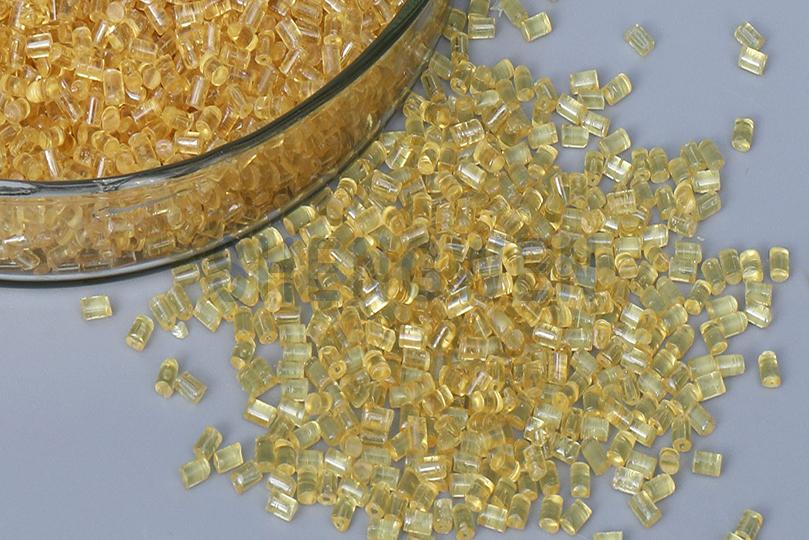

The Polyetherimide Price Trend in Q2 2026 has been influenced by several important factors, including raw material costs, production expenses, industrial demand, transportation conditions, and the overall supply situation.
Polyetherimide (PEI) is a high-performance engineering plastic known for its excellent heat resistance, mechanical strength, dimensional stability, and electrical insulation properties.
Because of these qualities, it is widely used in electrical and electronic equipment, automotive components, aerospace applications, medical devices, and industrial machinery.
Please Submit Your Query For Polyetherimide Price Trend, Market Analysis and Forecast: https://www.price-watch.ai/book-a-demo/
Unlike common plastics, polyetherimide is used in applications where materials must perform under demanding conditions. This makes its market slightly different from that of standard polymers. Buyers generally focus on product quality, technical performance, availability, and long-term supply agreements rather than looking only at the lowest available price.
During Q2 2026, market participants have continued to monitor changes in feedstock availability, manufacturing costs, and downstream purchasing activity. Raw material prices remain an important consideration because changes in chemical production costs can influence the overall economics of engineering plastics. At the same time, demand from electrical equipment, automotive manufacturing, healthcare, and industrial sectors plays an important role in determining purchasing activity.
Overview of the Polyetherimide Market in Q2 2026
The global polyetherimide market is closely connected to the performance of industries that require reliable and heat-resistant plastic materials. Its applications are generally found in products where ordinary plastics may not provide sufficient strength or temperature resistance.
In Q2 2026, the market environment has been shaped by the balance between production costs and downstream demand. Manufacturers have continued to consider the cost of raw materials, energy, processing, packaging, and transportation while planning their production activities.
Buyers, meanwhile, have remained careful about their purchasing decisions. Since polyetherimide is a specialised engineering material, customers often prefer suppliers that can provide consistent quality and dependable delivery schedules. This can make purchasing decisions less sensitive to short-term price changes compared with those for more commonly traded polymers.
The overall market direction depends on how these factors interact. When production costs increase and material availability becomes limited, sellers may face greater pressure to maintain or increase selling prices. On the other hand, comfortable inventory levels and slower purchasing activity can reduce the ability of producers to pass on higher costs.
Key Factors Influencing Polyetherimide Prices
Raw Material and Feedstock Costs
Raw material expenses are among the most important factors affecting polyetherimide production costs. The manufacturing process depends on specialised chemical intermediates, and changes in their availability or pricing can influence the cost of producing the final polymer.
The wider petrochemical industry also has an indirect influence on the market. Changes in crude oil, natural gas, and related chemical feedstock prices can affect energy expenses and the cost structure of chemical manufacturing.
The Phthalic Anhydride Price Index is another useful chemical market indicator to monitor when assessing broader aromatic chemical market conditions. Although phthalic anhydride is not a direct substitute for the specialised intermediates used in polyetherimide production, its price movements can provide additional context about developments in the wider chemical industry.
When feedstock markets become more expensive, manufacturers may experience higher operating expenses. However, the actual impact on polyetherimide depends on the specific raw materials used, production technology, and sourcing arrangements.
Energy and Manufacturing Expenses
Polyetherimide manufacturing requires specialised processing conditions and careful quality control. Energy consumption, labour expenses, equipment maintenance, and production efficiency all contribute to the final manufacturing cost.
Electricity and fuel prices can influence production economics, particularly in regions where industrial energy expenses represent a significant part of operating costs.
When energy costs rise, manufacturers may review their pricing strategies to protect their operating margins. However, the ability to increase selling prices depends on market demand and competition.
Efficient production planning can help manufacturers manage these expenses. Companies that maintain stable operations and reliable raw material supplies may be in a better position to control their overall production costs.
Demand from Automotive and Aerospace Industries
The automotive and aerospace industries are important consumers of high-performance engineering plastics. Polyetherimide is used in selected applications because of its ability to maintain strength and stability under demanding operating conditions.
Automotive manufacturers require lightweight materials that can support improved efficiency and dependable performance. The use of advanced plastics in electrical systems, interior components, and selected under-the-hood applications creates opportunities for polyetherimide consumption.
The aerospace industry also requires materials that can withstand high temperatures and demanding technical conditions. Changes in aircraft production, maintenance activities, and component manufacturing can therefore influence demand for specialised engineering polymers.
If industrial production increases, demand for polyetherimide may improve. However, weaker manufacturing activity or delayed projects can reduce purchasing requirements.
Electrical and Electronics Industry
The electrical and electronics sector is another important part of the polyetherimide market. Its excellent electrical insulation properties and heat resistance make it suitable for selected connectors, insulating components, electronic housings, and other technical applications.
Demand from this sector is influenced by electronics production, industrial automation, telecommunications equipment, and investment in electrical infrastructure.
When electronic equipment manufacturing expands, demand for high-performance materials can increase. However, inventory adjustments and slower orders can temporarily affect material purchasing.
Supply Availability and Transportation
Supply availability is another important factor influencing Polyetherimide Prices. Since polyetherimide is a specialised polymer, buyers generally depend on qualified suppliers and established distribution networks.
Production interruptions, maintenance activities, limited feedstock availability, and logistical delays can affect the quantity of material available in the market.
Transportation expenses also influence delivered prices. Higher freight rates, longer shipping times, and changes in import conditions can increase the overall procurement cost for buyers.
When supply chains operate smoothly, customers can plan their purchases more confidently. Better product availability can also reduce the need for emergency procurement and excessive inventory building.
Regional Market Developments
Asia-Pacific
Asia-Pacific remains an important region for engineering plastics because of its large manufacturing base and strong presence in automotive, electronics, electrical equipment, and industrial production.
Countries such as China, Japan, South Korea, and India contribute to regional demand for specialised polymer materials. The performance of downstream manufacturing industries plays an important role in determining purchasing activity.
In Q2 2026, buyers in the region have continued to consider raw material costs, import availability, and local manufacturing requirements while managing their procurement decisions.
Europe
The European polyetherimide market is closely connected to automotive manufacturing, aerospace production, electrical equipment, and specialised industrial applications.
Energy expenses and transportation costs remain important considerations for manufacturers and distributors. Buyers also place significant importance on product specifications, quality consistency, and reliable supply.
Changes in industrial production and purchasing confidence can influence the overall market environment. When manufacturing activity improves, demand for advanced engineering plastics can receive additional support.
North America
North America has an established market for high-performance engineering plastics, supported by aerospace, automotive, medical equipment, electronics, and industrial applications.
The region's demand depends on manufacturing output, investment activity, and the performance of specialised industrial sectors.
Supply agreements and technical requirements are particularly important for customers using polyetherimide in critical applications. As a result, long-term purchasing relationships can play a major role in market stability.
Polyetherimide Price Chart and Market Analysis
The Polyetherimide Price Chart is an important tool for understanding market movements over different periods. It helps buyers, manufacturers, distributors, and procurement professionals observe changes in prices and identify possible cost trends.
For Q2 2026, market participants can evaluate price developments by comparing monthly changes, quarterly averages, and regional price differences. Looking at a single price point may not provide a complete picture of the market because regional supply conditions and product specifications can vary.
A useful price chart should consider the following factors:
- Monthly price movements during April, May, and June 2026.
- Changes in feedstock and chemical production costs.
- Regional differences between Asian, European, and North American markets.
- Demand from automotive, aerospace, electrical, and electronics industries.
- Import availability and transportation expenses.
- Changes in buyer inventories and supplier delivery schedules.
The comparison of these factors can help market participants understand whether price movements are mainly connected to production costs, supply conditions, or changes in purchasing demand.
Polyetherimide Price Index and Market Indicators
The Polyetherimide Price Index provides a useful way to understand the overall direction of the market over time. Instead of focusing on one transaction or one regional quotation, an index can help identify broader market movements.
For buyers, monitoring the index can support procurement planning and cost comparisons. Manufacturers can use it to understand changes in selling conditions, while distributors can evaluate inventory and replacement costs.
The Phthalic Anhydride Price Index can also be monitored as part of a wider chemical market assessment. However, it should be treated as a broader industry reference rather than a direct measure of polyetherimide production costs.
Combining polymer pricing information with raw material indicators, energy expenses, freight costs, and downstream demand provides a more complete understanding of market conditions.
Polyetherimide Price Forecast for the Coming Months
The outlook for polyetherimide will depend on the direction of industrial demand, raw material availability, and manufacturing expenses.
If automotive, aerospace, electronics, and electrical equipment production remains healthy, demand for specialised engineering plastics may receive support. This could help manufacturers maintain relatively stable selling conditions.
On the other hand, weaker industrial activity, slower procurement, and comfortable inventories may create pressure on prices. Buyers may also delay purchases when they expect lower replacement costs or have sufficient material available in their warehouses.
Feedstock prices will remain another important factor to monitor. Any significant increase in specialised chemical input costs or energy expenses could influence production economics.
Transportation conditions will also matter, particularly for buyers that depend on imported grades. Reliable shipping schedules and stable freight costs can support smoother procurement and reduce additional expenses.
Overall, the market outlook will depend on the balance between production costs and actual consumption. Buyers should avoid making procurement decisions based only on short-term market movements and should consider their inventory requirements, delivery schedules, and long-term demand.
Conclusion
The Polyetherimide Price Trend in Q2 2026 reflects the importance of raw material economics, manufacturing expenses, supply availability, transportation conditions, and demand from specialised industrial sectors. As a high-performance engineering plastic, polyetherimide has a different market structure from standard commodity polymers because its applications require specific technical properties and consistent product quality.
The automotive, aerospace, electrical, electronics, and healthcare industries will continue to influence the demand outlook. At the same time, feedstock availability, energy costs, and international logistics will remain important factors affecting production and procurement expenses.
Monitoring Polyetherimide Prices, the Polyetherimide Price Chart, and the Polyetherimide Price Index can help businesses understand market developments and make better purchasing decisions. A broader review of chemical market indicators, including the Phthalic Anhydride Price Index, can provide additional context when evaluating the overall chemical industry.
In the coming months, market participants should focus on changes in industrial demand, supplier availability, and production costs. A balanced understanding of these factors will be essential for managing procurement strategies and responding to future changes in the global polyetherimide market.
Please Submit Your Query For Polyetherimide Price Trend, Market Analysis and Forecast: https://www.price-watch.ai/book-a-demo/
About Price Watch™
Price Watch™ is an India-based, independent raw material price reporting agency that provides real-time price forecasts and data-driven insights into global raw material markets. Price Watch™ specializes in tracking raw material prices, analyzing market trends, and delivering timely updates on plant shutdowns, supply disruptions, capacity expansions, and demand-supply dynamics. The Price Watch™ platform empowers manufacturers, traders, and procurement professionals to make faster, smarter decisions. Leveraging AI-powered forecasting and over a decade of historical data, Price Watch™ transforms market volatility into actionable opportunity.
Futura Tech Park,
C Block, 8th floor 334,
Old Mahabalipuram Road,
Sholinganallur, Chennai, Tamil Nadu, Pincode - 600119.
𝐋𝐢𝐧𝐤𝐞𝐝𝐈𝐧: https://www.linkedin.com/company/price-watch-ai/
𝐅𝐚𝐜𝐞𝐛𝐨𝐨𝐤: https://www.facebook.com/people//61568490385598/
𝐓𝐰𝐢𝐭𝐭𝐞𝐫: https://x.com/pricewatchai
𝐖𝐞𝐛𝐬𝐢𝐭𝐞: https://www.price-watch.ai/
