

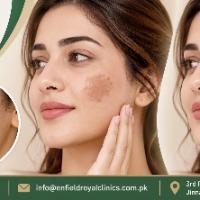

Birthmarks are common skin features that may appear at birth or develop shortly afterward. They can vary in colour, size, shape, and texture. While many birthmarks are harmless, some individuals choose treatment because a mark is prominent, affects their appearance, or causes personal discomfort.
Modern laser technology offers an option for reducing the visibility of certain birthmarks. It uses focused light energy to target specific pigments or blood vessels without intentionally treating all the surrounding skin. However, the procedure is not suitable for every type of birthmark, and results depend on an accurate diagnosis.
Birthmark Removal Treatment in Islamabad may involve different laser techniques depending on whether the mark is pigmented or vascular. Understanding how these procedures work, what happens during a session, and what results to expect can help individuals make informed decisions.
1. What Is Laser Birthmark Removal Treatment?
Laser birthmark removal is a medical procedure that uses concentrated light energy to target structures responsible for certain skin marks. Depending on the laser type, the treatment may focus on excess melanin, which gives skin its colour, or haemoglobin, which is present in blood vessels.
The main purpose is to reduce the visibility of a birthmark while minimizing unnecessary effects on the surrounding skin.
Different birthmarks require different approaches. For example:
-
Pigmented birthmarks: These include certain brown or darker patches caused by increased or uneven melanin. Selected pigment-targeting lasers may help reduce their colour.
-
Vascular birthmarks: These include marks that appear red, pink, or purple because of abnormal or prominent blood vessels. Specific vascular lasers may help make them lighter.
-
Raised or complex birthmarks: These may not respond appropriately to laser treatment and can require medical monitoring, medication, or surgical assessment.
A professional must first identify the birthmark type before recommending laser treatment. Some congenital pigmented nevi, for example, require careful medical assessment rather than cosmetic laser removal.
2. How Does Laser Technology Target Birthmarks?
Laser technology works through a process called selective photothermolysis. In simple terms, the laser delivers light at a particular wavelength that is absorbed by a specific target in the skin.
For pigmented birthmarks, the target is usually melanin. The selected laser energy is absorbed by the pigment, helping break it into smaller particles that the body can gradually clear.
For vascular birthmarks, the target is haemoglobin within blood vessels. The absorbed energy creates controlled heat that damages selected vessels, allowing the body to gradually remove or remodel the treated tissue.
The surrounding skin is intended to remain as unaffected as possible, although temporary reactions and complications can still occur.
The choice of laser depends on several factors, including:
-
The colour and type of birthmark
-
How deeply the mark extends into the skin
-
The size and location of the treated area
-
The individual's natural skin tone
-
Previous treatment history
-
The possibility of side effects
Not all lasers work on all birthmarks. Selecting an unsuitable device or treatment setting can lead to poor results or skin damage, which is why professional assessment is essential.
3. What Happens During a Laser Birthmark Removal Session?
The treatment process usually begins with a consultation. The professional examines the birthmark, reviews relevant medical history, and determines whether laser treatment is an appropriate option.
Once the treatment plan is established, the procedure may involve several steps.
Skin assessment and preparation: The treatment area is examined and cleaned. The professional may take photographs to document the birthmark's original appearance and monitor future progress.
Protective measures: Appropriate eye protection is used, particularly when treating facial birthmarks. The individual may also receive a cooling method or numbing option when suitable.
Laser application: The selected device delivers controlled light pulses to the targeted area. The sensation may feel like warmth, mild stinging, or small snapping movements against the skin.
Post-treatment care: After the session, the treated area is checked. The professional explains what reactions may occur and provides instructions for protecting the skin during recovery.
The length of an appointment depends on the birthmark's size, location, and treatment complexity. Small areas may require less time than larger or more complicated marks.
4. Which Types of Birthmarks Respond to Laser Treatment?
Laser treatment can be useful for certain pigmented and vascular birthmarks, but its effectiveness varies.
Port-wine stains: These vascular birthmarks are often pink, red, or purple. Pulsed dye laser treatment is commonly used to reduce their colour, although several sessions may be needed and complete clearance is not guaranteed.
Certain pigmented patches: Some flat pigmented birthmarks may respond to pigment-targeting lasers. However, the diagnosis must be confirmed because different types of brown marks require different treatment decisions.
Selected vascular marks: Certain superficial vascular birthmarks may become less noticeable after suitable laser treatment.
Other birthmarks may require a different approach. Infantile hemangiomas, for example, can naturally shrink over time, while some cases need medical monitoring or medication. Congenital pigmented nevi may require ongoing assessment or surgical evaluation.
Therefore, individuals considering Birthmark Removal Treatment in Islamabad should avoid choosing a laser procedure based only on the birthmark's appearance. A proper diagnosis helps determine whether laser treatment is suitable.
5. How Many Laser Sessions Are Needed for Visible Results?
The number of sessions varies according to the birthmark's characteristics and how the skin responds to treatment. Some individuals notice an improvement after an initial appointment, while others require several sessions.
Vascular birthmarks often need repeated treatments because the targeted blood vessels may respond gradually. Pigmented birthmarks may also require multiple appointments depending on their depth, colour, and the type of laser used.
Sessions are generally spaced apart to allow the skin to recover and the body to respond to the previous treatment.
Several factors influence the treatment schedule:
-
Birthmark size and depth
-
Type and concentration of pigment or blood vessels
-
Location on the body
-
Skin tone and sensitivity
-
Response to previous sessions
-
The laser technology selected
A professional evaluates progress during follow-up appointments and decides whether another session is appropriate. Some birthmarks become significantly lighter, while others show only partial improvement. Complete removal should never be promised.
6. What Are the Possible Side Effects of Laser Birthmark Removal?
Laser birthmark removal is generally considered when the expected benefits outweigh the possible risks. However, like other medical procedures, it can cause side effects.
Common temporary reactions may include:
-
Redness and mild swelling
-
Warmth or tenderness
-
Temporary darkening or lightening of the treated skin
-
Small blisters or crusting
-
Mild sensitivity during recovery
Less common complications can include burns, infection, scarring, or persistent pigmentation changes.
Skin tone is an important consideration. Some laser procedures carry a higher risk of unwanted pigment changes in darker skin, so the professional must select appropriate technology and settings.
After treatment, individuals should follow the recommended aftercare routine. This may include gentle cleansing, avoiding scratching or picking, using approved skincare products, and protecting the treated area from sunlight.
Severe pain, spreading redness, pus, fever, or worsening swelling should be assessed promptly by a healthcare professional.
7. Who Should Consider Laser Birthmark Removal Treatment?
Laser treatment may be considered by individuals who have a medically assessed birthmark that is suitable for the selected laser procedure. People may seek treatment because a mark is noticeable, affects their confidence, or creates cosmetic concerns.
A suitable candidate generally needs:
-
An accurate diagnosis of the birthmark
-
A treatment plan based on skin type and mark characteristics
-
Realistic expectations about the possible improvement
-
An understanding of potential side effects
-
The ability to follow aftercare and follow-up instructions
Children may also be assessed for treatment, but the decision should be individualized. Some vascular birthmarks benefit from early specialist evaluation, while others may need observation or medical management rather than laser treatment.
A qualified skin specialist or appropriately trained medical professional can explain whether laser treatment is suitable or whether another option would be safer.
Frequently Asked Questions
1. Is laser birthmark removal effective?
It can be effective for selected pigmented and vascular birthmarks. The degree of improvement depends on the type, depth, colour, and individual skin characteristics.
2. Is laser birthmark removal painful?
Some individuals experience warmth, stinging, or snapping sensations during treatment. Cooling methods or suitable numbing options may help improve comfort.
3. How long does a laser birthmark removal session take?
The duration depends on the size and location of the birthmark. Smaller areas may take less time, while larger or complex marks may require longer appointments.
4. Can laser treatment completely remove a birthmark?
Complete removal is not guaranteed. Some birthmarks become significantly lighter, while others show partial improvement or may need alternative treatment.
5. Is laser birthmark removal safe for darker skin?
It may be suitable in selected cases, but certain lasers can increase the risk of pigmentation changes. Careful assessment and appropriate device settings are important.
6. Do birthmarks return after laser treatment?
Some birthmarks may become visible again or require additional sessions. The possibility depends on the birthmark type and its response to treatment.
Conclusion
Laser birthmark removal works by targeting specific pigments or blood vessels responsible for selected skin marks. It can help reduce the visibility of certain pigmented and vascular birthmarks, but the procedure must be chosen according to the individual's diagnosis, skin tone, and treatment needs.
For people exploring Birthmark Removal Treatment in Islamabad, a professional consultation is the first step toward understanding suitable options. Proper treatment selection, realistic expectations, and appropriate aftercare all contribute to a safer treatment experience.
