


Why EV Maintenance Services Are Becoming a Critical Industry
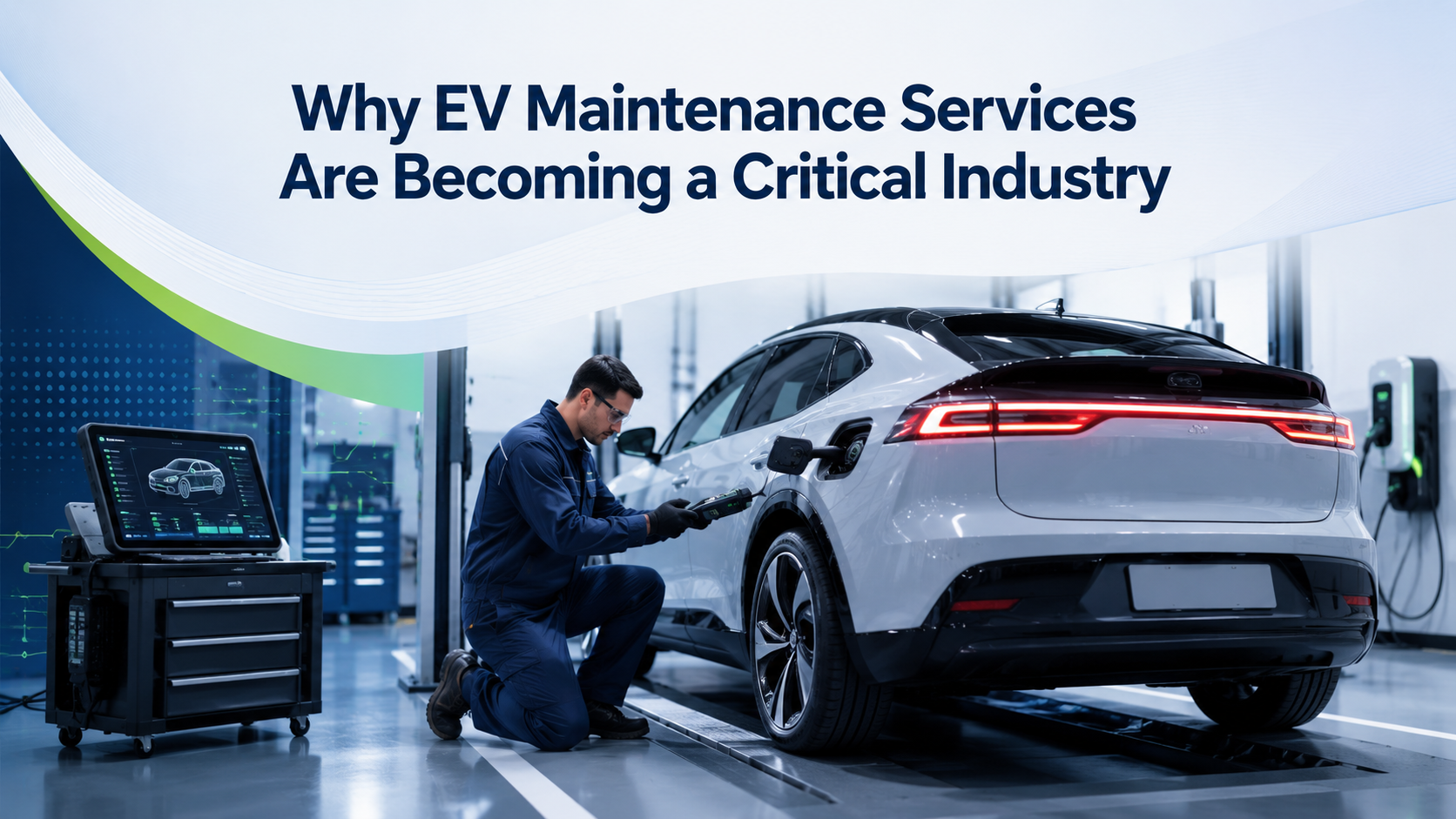
Electric vehicle maintenance and servicing has emerged as a vital component of the evolving mobility ecosystem. As electric vehicle adoption accelerates worldwide, attention is shifting beyond vehicle sales toward long-term ownership requirements. Unlike conventional vehicles, electric vehicles rely on advanced battery systems, software-driven diagnostics, and specialized components that require a different approach to maintenance and after-sales support.
The growing electric vehicle fleet is creating new opportunities for service providers, manufacturers, and independent workshops. As vehicles remain on the road longer, demand for battery inspections, thermal management services, software updates, and predictive diagnostics continues to increase. This transition is reshaping traditional automotive servicing models and encouraging investments in technician training, digital service platforms, and specialized repair infrastructure.
Electric Vehicle Maintenance Market Expands with Rising EV Adoption
According to a Global Electric Vehicle Maintenance & Servicing Market report, the industry is valued at around USD 32.29 billion in 2025 and is projected to reach USD 79.29 billion by 2032, growing at a CAGR of 13.69% during the forecast period. The expansion reflects the increasing number of electric vehicles entering operation and the growing need for specialized servicing solutions.
Battery electric vehicles, plug-in hybrid vehicles, and commercial electric fleets require ongoing monitoring of high-voltage systems, battery performance, and software functionality. As a result, servicing is becoming a strategic part of the electric mobility value chain. Vehicle owners are increasingly seeking maintenance providers capable of addressing both mechanical and digital vehicle requirements.
Battery Health Monitoring Is Transforming Service Strategies
Battery systems represent one of the most critical and expensive components of an electric vehicle. Consequently, battery health monitoring has become a major focus area for maintenance providers. Advanced diagnostic tools can evaluate battery degradation, charging efficiency, and thermal performance, helping operators identify potential issues before they lead to costly repairs.
The shift toward predictive maintenance is also changing service models. Connected vehicle technologies enable real-time monitoring of battery conditions and vehicle performance. Service providers can analyze operational data remotely and schedule maintenance interventions proactively. This approach improves vehicle reliability while reducing unexpected downtime for consumers and fleet operators.
The importance of battery performance management aligns with broader electrification trends highlighted by the International Energy Agency’s Global EV Outlook, which notes the continued growth of electric vehicle adoption across major automotive markets and the expanding need for supporting service ecosystems.
Software and Digital Diagnostics Are Redefining Vehicle Servicing
Modern electric vehicles operate as software-intensive platforms. Many maintenance requirements now involve digital diagnostics, firmware upgrades, cybersecurity checks, and calibration of advanced electronic systems. This development is significantly altering the skills required within automotive service networks.
Over-the-air software updates are reducing some traditional service visits while simultaneously creating demand for advanced diagnostic capabilities. Technicians increasingly require expertise in electronics, connectivity systems, and vehicle software architecture. Service centers are investing in diagnostic equipment capable of analyzing large volumes of operational data generated by connected vehicles.
The growing integration of software into vehicle operations reflects broader automotive digitization trends identified by the World Economic Forum’s analysis of future mobility technologies, where data-driven vehicle management is becoming a central feature of transportation systems.
Fleet Electrification Creates New Maintenance Opportunities
Commercial fleet operators are becoming an increasingly important customer segment for electric vehicle maintenance providers. Delivery companies, logistics operators, ride-hailing fleets, and public transportation agencies are adopting electric vehicles to reduce emissions and operating costs. These fleets require structured maintenance programs to maximize vehicle availability and operational efficiency.
Fleet operators often prioritize predictive servicing, battery performance optimization, and centralized maintenance management. As fleet electrification expands, service providers capable of delivering scalable maintenance solutions are expected to benefit from recurring service demand. The need for rapid turnaround times and remote monitoring capabilities is also encouraging the adoption of digital fleet maintenance platforms.
Regional Investments Support Service Network Expansion
North America currently represents the leading regional contributor to the electric vehicle maintenance and servicing industry. Strong EV adoption, expanding charging infrastructure, and growing investments from manufacturers and service providers have helped establish a mature servicing ecosystem. Similar developments are occurring across Europe and parts of Asia-Pacific as governments continue promoting vehicle electrification.
Countries with rapidly growing electric vehicle sales are simultaneously investing in technician training programs and specialized repair facilities. Automakers, component suppliers, and independent workshops are collaborating to build service capacity capable of supporting larger electric vehicle populations. These investments are expected to strengthen maintenance networks while improving service accessibility for consumers.
The Future of EV Servicing Will Be Data-Driven
Electric vehicle maintenance is evolving from a traditional repair-focused model into a technology-driven service industry. Battery analytics, predictive diagnostics, connected vehicle monitoring, and software management are becoming essential components of modern maintenance strategies. As electric vehicle adoption continues to expand globally, servicing capabilities will play a crucial role in supporting vehicle performance and ownership experiences.
The industry's future growth will depend on continuous investments in digital tools, technician expertise, and specialized infrastructure. Organizations that successfully integrate advanced diagnostics, battery management, and data-driven maintenance approaches are likely to be well positioned to meet the changing requirements of the global electric vehicle ecosystem.

 Bangla