


Decoding Electrical Safety: Insulation Resistance Test Voltages Explained
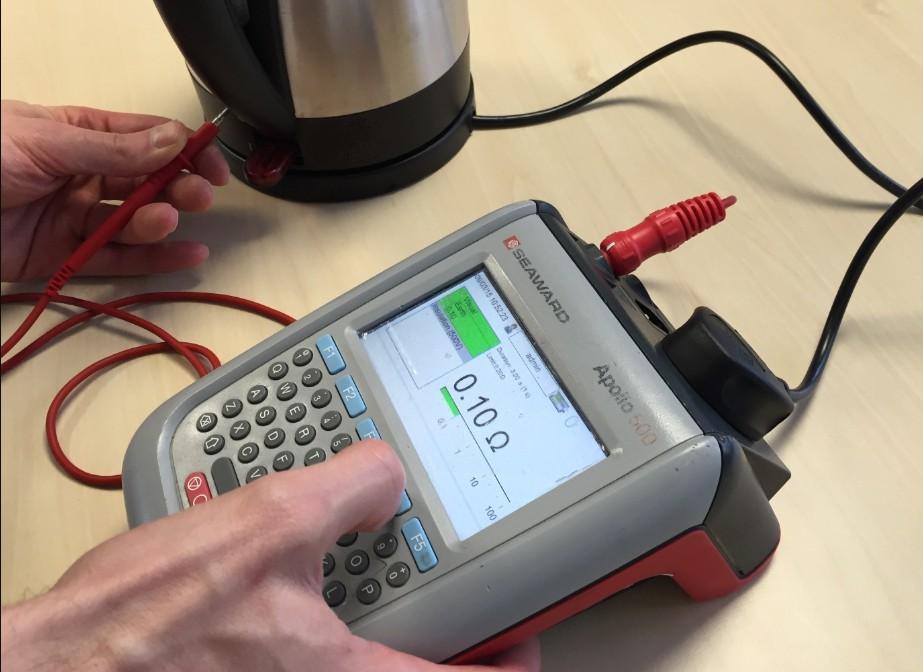
Electrical safety is the bedrock of any functioning facility, whether it is a bustling construction site, a high-tech office, or a local workshop. While the visual inspection of an appliance often catches the most obvious signs of wear and tear—such as frayed cords or damaged plugs—the true hidden danger lies within the internal integrity of the equipment. Insulation resistance testing is one of the most critical diagnostic procedures in a portable appliance testing (PAT) regimen. It allows professionals to detect insulation breakdown, carbon tracking, and potential short circuits before they evolve into catastrophic failures or electrical shocks. However, there is a recurring technical ambiguity that often plagues newcomers to the field: determining the correct test voltage to apply. Choosing the wrong voltage doesn't just result in inaccurate data; it can potentially damage sensitive electronic components. To perform these tests with confidence, one must understand the relationship between equipment design and electrical stress.
The Fundamentals of Insulation Resistance Testing
At its core, an insulation resistance test is designed to measure the effectiveness of the insulating material that prevents current from leaking out of the conductor. Over time, insulation can degrade due to exposure to extreme heat, chemical contamination, moisture, or physical vibration. When this material loses its dielectric strength, current can "leak" to the appliance casing or between internal parts, turning the device into an electrocution hazard. The test works by applying a DC voltage between the live/neutral conductors and the protective earth (in Class I appliances) or accessible metal parts. By measuring the current that manages to travel through the insulation, the tester calculates the resistance in mega-ohms. A high resistance reading indicates healthy insulation, while a low reading is a red flag that immediate remedial action is required. Understanding these values is not just about keeping a logbook; it is about verifying that the equipment is safe for continued use in the workplace.
Class I vs. Class II Appliances: Understanding the Context
To understand which voltage to select, one must first be able to categorize the appliance correctly. Portable appliances are broadly divided into Class I and Class II, and their structural differences significantly influence how we apply diagnostic tests. Class I appliances are earthed devices; they possess a metal casing that is connected to the protective earth conductor within the supply cable. If an internal fault occurs, the electricity is directed to the ground, causing the circuit protection device to trip. Class II appliances, on the other hand, are double-insulated. They do not rely on an earth connection for safety. Instead, they use two layers of insulation to ensure that the live parts cannot come into contact with the casing. Because the internal architecture of these two classes is fundamentally different, the testing methodology—and the voltage selected—must be chosen with care to ensure the test is both effective and non-destructive.
Determining the Correct Test Voltage: The Standard Approach
The most common point of confusion for many technicians involves the choice between 250V DC and 500V DC. The industry standard for the vast majority of mains-powered equipment is 500V DC. This voltage level is high enough to stress the insulation sufficiently to reveal weaknesses or breakdown paths that might not be visible at lower voltages. However, applying 500V DC to certain types of equipment can be problematic. For example, some modern electronic appliances contain surge protection devices, such as metal oxide varistors (MOVs), or sensitive semiconductor components that are designed to operate at much lower thresholds. Applying 500V to these devices can cause them to trigger or even fail, leading to unnecessary damage. In these specific scenarios, the recommendation is to lower the test voltage to 250V DC. This reduced voltage provides a reliable insulation resistance measurement while mitigating the risk of damaging sensitive electronic circuitry that cannot withstand the standard 500V stress test.
Potential Pitfalls and Safety Precautions
While insulation resistance testing is highly effective, it is not without its risks, and technicians must be vigilant. One of the most dangerous oversights during this process is failing to account for the electrical energy stored in large capacitors. Some appliances contain internal components that retain a charge even after they have been unplugged. If a technician proceeds with an insulation resistance test without ensuring the device is fully discharged, the results can be skewed, or worse, the tester itself can be damaged. Furthermore, technicians must always remember to remove all electronic accessories, such as peripheral data cables or external sensors, before testing. Applying test voltage to an appliance while it is connected to a computer network or sensitive control system can propagate that high voltage throughout the network, potentially frying expensive equipment in other rooms. A methodical, disciplined approach to testing is the only way to avoid these high-stakes accidents.
The Importance of Proper Certification and Training
The nuance required to differentiate between test scenarios highlights why formal training is non-negotiable in the electrical maintenance sector. It is not enough to simply follow the prompts on a digital tester; a competent technician must understand the theory behind the readings and the safety implications of every selection they make. This is exactly where the value of a structured pat testing course comes into play. A professional certification provides the theoretical framework needed to interpret test results and the practical experience to handle various appliance configurations safely. Whether you are a facility manager, a maintenance technician, or a business owner looking to bring safety in-house, formal training transforms you from someone who simply "presses the button" into a safety expert capable of diagnosing complex electrical issues. Investing in the right education is the most effective way to protect your equipment, your property, and, most importantly, the people who use it every day.
Conclusion
Insulation resistance testing is a vital tool, but it is one that demands respect and understanding. By mastering the distinction between 250V and 500V testing, recognizing the unique needs of Class I and Class II equipment, and maintaining a strict focus on safety protocols, you can ensure that your facility remains compliant and hazard-free. Remember that a test result is only as good as the technician who interprets it. As electrical standards continue to evolve alongside our technology, keeping your skills sharp is the best defense against complacency. If you are serious about professionalizing your approach to electrical maintenance, there is no substitute for comprehensive training that covers the full scope of modern testing requirements. When you are ready to elevate your expertise and ensure your safety procedures are up to industry standards, seeking out a qualified provider is the definitive next step toward total compliance.

 Bangla