


Beyond Illumination: Energy-Efficient LED Systems and Intelligent Lighting Controls Driving Sustainability
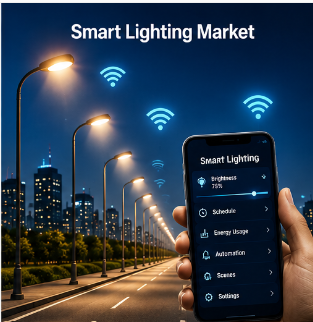
The lighting industry has witnessed a remarkable evolution, with energy-efficient LED systems emerging as the standard for modern illumination. These systems consume significantly less power than traditional incandescent or fluorescent bulbs, offering immediate energy savings and longer operational life. Yet, the real game-changer lies in pairing these LEDs with intelligent lighting controls. This combination transforms passive lighting into an active management tool that responds to occupancy, daylight, and user preferences, resulting in unprecedented efficiency and functionality. Market data consistently validates this combined approach as the most effective strategy for reducing lighting-related energy consumption.
Energy-efficient LED systems are inherently superior due to their low heat generation and high lumen output per watt. However, without intelligent controls, they still operate at fixed levels, missing opportunities for additional savings. Intelligent lighting controls introduce dynamic optimization, dimming or brightening LEDs based on real-time conditions. For example, in a warehouse, lights can be set to full brightness only when workers are present, reverting to low-power mode during idle periods. This synergy amplifies the benefits of both technologies, delivering energy reductions that far exceed what either could achieve alone.
The Technology Behind Energy-Efficient LED Systems
Energy-efficient LED systems are based on semiconductor technology that converts electricity directly into light with minimal waste. They are available in a wide range of color temperatures and can be easily integrated into various fixtures. Their durability and instant-on capability make them ideal for applications ranging from residential to industrial. When combined with intelligent lighting controls, these LEDs can participate in demand-response programs, where utilities reduce load during peak periods by dimming non-critical lights. This not only helps stabilize the grid but also provides financial incentives to building owners.
Intelligent Controls: The Brain of the Operation
Intelligent lighting controls encompass a broad array of devices, including occupancy sensors, daylight harvesting sensors, timers, and network-based management platforms. These controls can be as simple as a motion-triggered switch or as sophisticated as a cloud-based system managing thousands of fixtures across multiple locations. The key is their ability to communicate with energy-efficient LED systems, issuing commands that adjust output in milliseconds. This responsiveness ensures that energy is never wasted on empty rooms or over-lit spaces, directly contributing to lower operational costs.
Commercial Applications and Benefits
In commercial settings, the combination of energy-efficient LED systems and intelligent lighting controls is particularly impactful. Office buildings, schools, hospitals, and retail stores have all reported significant energy savings and improved user satisfaction. For instance, daylight harvesting sensors can adjust LED output based on the amount of natural light entering a space, maintaining consistent illumination levels while minimizing electricity use. Additionally, occupancy-based controls ensure that lights in restrooms, corridors, and storage areas are only active when needed. These measures not only cut costs but also extend the life of LED fixtures, reducing replacement frequency and associated waste.
Residential Adoption and Smart Homes
The residential market is also embracing this powerful duo. Homeowners are increasingly installing energy-efficient LED systems with intelligent lighting controls to reduce their electricity bills and enhance convenience. Voice-controlled dimmers, smartphone apps, and programmable schedules allow users to manage their lighting effortlessly. Some systems even integrate with home security, using lighting patterns to simulate occupancy when residents are away. As the cost of both technologies continues to decline, adoption is expected to accelerate, making smart lighting a standard feature in new homes and renovations.
Environmental Impact and Regulatory Drivers
From a sustainability perspective, the adoption of these technologies is critical. Lighting accounts for approximately 15% of global electricity consumption, and the widespread deployment of energy-efficient LED systems with intelligent lighting controls can significantly reduce this figure. Many governments have introduced regulations phasing out inefficient lighting and offering incentives for energy-efficient upgrades. These policies, combined with growing corporate environmental responsibility, are driving market growth. Companies that proactively adopt these systems not only reduce their carbon footprint but also enhance their brand reputation.
The Road to Zero-Energy Buildings
Looking to the future, the integration of energy-efficient LED systems and intelligent lighting controls will be a cornerstone of zero-energy and net-positive buildings. By combining ultra-efficient lighting with renewable energy sources and smart building management, it is possible to create structures that generate as much energy as they consume. The continuous advancements in sensors, connectivity, and data analytics will further refine these systems, making them more intuitive and autonomous. The journey toward sustainable building practices is well underway, and lighting is leading the charge. Industry analyses and sector reports consistently highlight this trend, underscoring the importance of investing in these technologies for long-term viability and compliance.

 Bangla