


Modernizing the Financial Core: Digital Payment Infrastructure and API Banking Services as Catalysts for Transformation
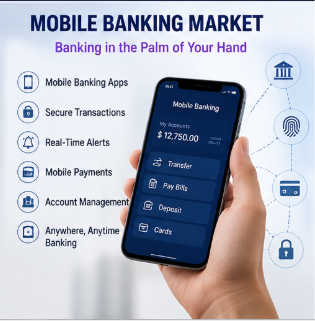
For generations, the financial services industry operated with remarkable stability, built on legacy systems that, while reliable, were inherently resistant to change and innovation. These monolithic core systems, often decades old, were designed for a world of batch processing and physical branches, not the real-time, digital-first expectations of modern consumers. The limitations of these systems have become increasingly apparent as fintech startups and technology companies have demonstrated what is possible when financial services are built on modern, flexible architectures. Banking-as-a-Service (BaaS) has emerged as the solution to this challenge, with Digital Payment Infrastructure serving as a critical component in the modernization journey.
The Legacy System Challenge
Traditional financial institutions face significant challenges in modernizing their operations due to the complexity and age of their core systems. These systems were typically built using programming languages and architectural approaches that are now outdated, making them difficult to integrate with modern technologies. Changes to these systems are expensive and time-consuming, often requiring months or years of development effort. This rigidity prevents banks from responding quickly to changing market conditions or customer expectations, putting them at a competitive disadvantage relative to more agile competitors.
The cost of maintaining legacy systems is another significant challenge for traditional banks. These systems require specialized skills and knowledge that are increasingly difficult to find, and the hardware they run on is often proprietary and expensive to maintain. Resources that could be invested in innovation and new product development are instead consumed by the ongoing costs of legacy system maintenance. The urgency of modernization has been underscored by major infrastructure upgrades such as the migration to ISO 20022 messaging standards, which require significant changes to legacy systems.
The Modernization Imperative
The business case for modernizing financial systems has never been stronger. Modern Digital Payment Infrastructure enables real-time processing, reduces operational costs, and provides the flexibility needed to meet evolving customer expectations. Businesses that successfully modernize their financial infrastructure can launch new products faster, respond more quickly to market changes, and create superior customer experiences that build loyalty and drive revenue growth.
Modernization efforts typically follow a phased approach, starting with the most critical systems and gradually expanding to include additional functionality. Leading organizations are adopting API-first architectures that enable modular development and integration with third-party platforms. This approach reduces the risk and cost of modernization while providing immediate benefits in terms of flexibility and speed to market.
The Role of Digital Payment Infrastructure
Modernized Digital Payment Infrastructure is the foundation upon which successful financial services are built. This infrastructure includes real-time payment systems, secure settlement networks, and robust fraud detection capabilities. The modernization of payment infrastructure enables businesses to process transactions instantly, reduce settlement times, and provide customers with the real-time visibility into their financial position that they have come to expect.
The adoption of ISO 20022 messaging standards represents a significant step forward for Digital Payment Infrastructure. These standards provide rich, structured data that can be used for automated reconciliation, compliance monitoring, and customer analytics. By reducing manual intervention and enabling data-driven decision-making, ISO 20022-compliant payment infrastructure helps businesses improve efficiency and reduce operational risk.
API Banking Services as the Modernization Engine
API Banking Services are a critical enabler of financial modernization, providing the connectivity that allows businesses to access modernized payment infrastructure programmatically. By exposing banking functions through well-documented APIs, financial institutions can enable third-party developers to build innovative applications and services on top of their infrastructure. This approach accelerates innovation, reduces development costs, and enables businesses to focus on their core competencies while leveraging best-in-class financial services.
The adoption of API Banking Services is also enabling financial institutions to adopt cloud-based architectures that provide scalability, flexibility, and cost efficiency. Cloud-based platforms reduce the need for physical infrastructure, enable rapid scaling to meet changing demand, and provide access to advanced capabilities such as artificial intelligence and machine learning. Leading banking API providers are offering comprehensive developer portals, documentation, and tools that make it easy for partners to integrate with their services.
Overcoming Modernization Challenges
Despite the clear benefits of modernization, financial institutions face significant challenges in implementing Digital Payment Infrastructure and API Banking Services. Cultural resistance to change is common in organizations that have operated in the same way for decades. The complexity of legacy systems can make migration difficult and risky. Regulatory compliance adds another layer of complexity, requiring careful attention to ensure that modernization efforts maintain necessary controls and safeguards.
Successful modernization efforts require strong executive sponsorship, a clear vision and strategy, and a culture that embraces change and innovation. Organizations must invest in the skills and capabilities needed to implement and manage modern financial systems, including expertise in API development, cloud computing, and data analytics. Partnerships with fintech companies and technology providers can help organizations accelerate their modernization efforts and access specialized expertise that may not be available internally.
The Future of Financial Services
The modernization of Digital Payment Infrastructure and the adoption of API Banking Services are essential steps for organizations seeking to remain competitive in the digital economy. These technologies provide the foundation for innovation, enabling businesses to create superior customer experiences, reduce operational costs, and develop new revenue streams. As the BaaS market continues to grow and evolve, organizations that embrace modernization will be well-positioned to capitalize on emerging opportunities and build lasting competitive advantages in an increasingly digital financial landscape. The message for business leaders is clear: the time to modernize is now, and the benefits of transformation far outweigh the risks of maintaining the status quo.

 Bangla