

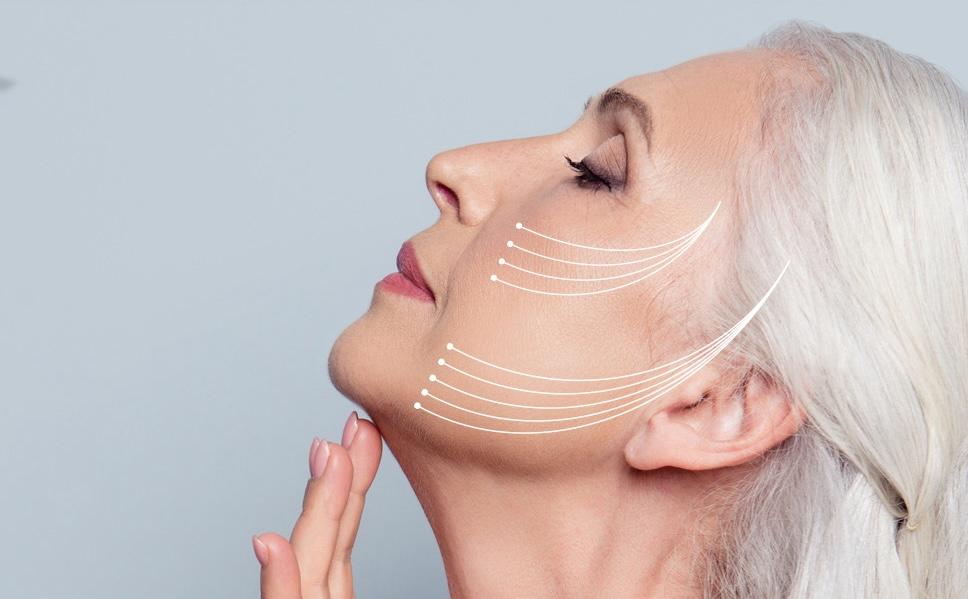

Thread lift in Islamabad has become a popular option for individuals seeking facial rejuvenation without undergoing extensive surgery. This minimally invasive treatment can lift sagging tissues, improve facial contours, and stimulate collagen production, making it an attractive choice for patients who want a refreshed appearance with minimal downtime.
One of the most common questions patients ask during a consultation is: How many threads are needed for effective facial lifting? The answer varies from person to person because every face is unique. Factors such as age, skin quality, treatment goals, facial anatomy, and the degree of skin laxity all influence the number of threads required.
Understanding how thread lift treatments are customized can help patients develop realistic expectations and appreciate the importance of individualized treatment planning.
Understanding Thread Lift Treatment
A thread lift is a non-surgical cosmetic procedure that uses dissolvable medical-grade threads placed beneath the skin to lift and support facial tissues.
These threads provide two primary benefits:
- Immediate lifting and repositioning of sagging skin
- Long-term collagen stimulation
As the threads gradually dissolve, they encourage the body's natural collagen production process, helping improve skin firmness, elasticity, and overall facial contours.
Thread lifts are commonly performed on:
- Cheeks
- Jawline
- Jowls
- Neck
- Brows
- Nasolabial folds
- Marionette lines
The number of threads used depends largely on the treatment area and the desired outcome.
Is There a Standard Number of Threads?
There is no universal number of threads that works for every patient.
Some individuals may require only a few threads for subtle lifting, while others may need a larger number to address multiple areas or achieve more noticeable contouring.
The treatment plan is developed after a detailed facial assessment and consultation with a qualified surgeon.
Rather than focusing solely on the number of threads, surgeons prioritize achieving balanced, natural-looking results that complement the patient's facial structure.
Factors That Determine the Number of Threads Needed
Several important factors influence how many threads may be used during treatment.
Degree of Skin Laxity
The amount of skin sagging plays a major role in treatment planning.
Patients with:
- Mild skin laxity often require fewer threads
- Moderate skin laxity may require additional support
- More significant tissue descent may require a greater number of threads or an alternative treatment approach
The goal is to provide adequate lifting while maintaining natural facial movement.
Treatment Area
Different facial regions require different amounts of support.
For example:
- Brow lifting may need fewer threads
- Jawline contouring often requires additional threads
- Full-face rejuvenation typically involves more comprehensive placement
Each area has unique anatomical considerations that affect thread selection and quantity.
Facial Anatomy
Every patient has a different facial structure.
Factors such as:
- Facial width
- Skin thickness
- Fat distribution
- Bone structure
all influence how many threads are necessary to achieve the desired lifting effect.
Desired Results
Patients seeking subtle enhancement may require fewer threads compared to those hoping for more noticeable facial contouring.
During consultation, the surgeon evaluates aesthetic goals and recommends an appropriate treatment plan based on realistic expectations.
Age and Skin Quality
Collagen levels naturally decrease with age, affecting skin elasticity and support.
Patients with healthier skin and good elasticity may achieve effective results with fewer threads, while those experiencing more pronounced aging changes may require additional support.
Common Treatment Areas and Thread Requirements
Although exact numbers vary, understanding how treatment areas influence thread placement can provide general insight into the planning process.
Cheek Lift
The cheeks are among the most commonly treated areas because they significantly influence overall facial appearance.
Lifting the cheeks can:
- Restore youthful contours
- Improve facial balance
- Reduce lower-face heaviness
- Enhance mid-face volume positioning
The number of threads depends on the amount of lifting required and the patient's facial anatomy.
Jawline Contouring
A defined jawline is often a major treatment goal.
Thread placement along the jawline can help:
- Reduce mild jowling
- Improve contour definition
- Create a more youthful profile
This area frequently requires multiple support points to achieve smooth and symmetrical results.
Jowl Correction
Jowls develop as facial tissues descend with age.
Thread lifts can reposition these tissues and restore a more refined lower-face appearance.
The number of threads used depends on the extent of tissue laxity and desired correction.
Neck Tightening
The neck area often requires specialized planning because of its unique anatomy.
Thread placement can improve mild skin laxity and complement jawline enhancement.
Brow Lift
A thread lift can elevate drooping brows and create a refreshed appearance.
Because the treatment area is smaller, fewer threads may be required compared to full-face rejuvenation procedures.
Why More Threads Do Not Always Mean Better Results
Many patients assume that using more threads automatically produces superior outcomes. However, this is not necessarily true.
Successful thread lift treatment depends on:
- Strategic placement
- Proper tension
- Facial symmetry
- Anatomical precision
Using excessive threads may not improve results and could potentially increase discomfort or unnecessary tissue manipulation.
Experienced surgeons focus on quality and placement rather than simply increasing thread quantity.
The Importance of Customized Treatment Planning
Thread lift procedures are highly individualized.
A thorough consultation allows the surgeon to evaluate:
- Facial proportions
- Skin elasticity
- Areas of concern
- Desired outcome
- Medical history
Based on this assessment, a personalized treatment plan is developed to achieve natural and harmonious results.
Customized planning helps ensure that thread placement supports facial features rather than creating an overcorrected appearance.
Types of Threads Used in Facial Lifting
Different thread types may be selected depending on treatment goals.
PDO Threads
Polydioxanone (PDO) threads are among the most commonly used options.
They provide:
- Tissue support
- Collagen stimulation
- Gradual absorption
PLLA Threads
Poly-L-Lactic Acid (PLLA) threads stimulate collagen production and may provide longer-lasting rejuvenation effects.
PCL Threads
Polycaprolactone (PCL) threads offer extended collagen stimulation and tissue support in selected cases.
The choice of thread material may influence treatment planning and overall results.
What Happens During the Consultation?
A consultation is one of the most important steps in determining the number of threads required.
During the appointment, the surgeon typically:
Evaluates Facial Anatomy
The structure of the face is carefully assessed to identify areas of volume loss, sagging, and asymmetry.
Discusses Treatment Goals
Patients can explain the changes they hope to achieve, allowing realistic treatment expectations to be established.
Creates a Customized Plan
The surgeon determines:
- Treatment areas
- Type of threads
- Placement strategy
- Estimated number of threads needed
This personalized approach ensures the treatment aligns with the patient's unique facial characteristics.
Recovery After Thread Lift Treatment
Recovery is generally straightforward and shorter than surgical facial procedures.
Patients may experience:
- Mild swelling
- Bruising
- Tenderness
- Temporary tightness
These effects usually improve within several days to a few weeks.
Following aftercare instructions helps support healing and optimize results.
Long-Term Results
Thread lift outcomes depend on several factors, including:
- Age
- Skin condition
- Lifestyle habits
- Collagen production
- Type of threads used
While the lifting effect is visible immediately, collagen stimulation continues over time, contributing to ongoing improvements in skin firmness and facial contours.
Many patients enjoy results that last one to two years, although individual experiences vary.
Conclusion
The number of threads needed for effective facial lifting varies significantly from one patient to another. Factors such as facial anatomy, skin laxity, treatment goals, and the areas being treated all influence the final treatment plan.
Rather than focusing solely on thread quantity, successful outcomes depend on strategic placement, proper technique, and personalized planning. An experienced surgeon evaluates each patient's unique needs and develops a customized approach designed to achieve balanced, natural-looking facial rejuvenation.
If you are considering a thread lift, scheduling a professional consultation is the best way to determine the most suitable treatment strategy for your facial structure and aesthetic goals.
FAQs
How many threads are usually used in a thread lift?
The number varies depending on the treatment area, facial anatomy, and desired results. A personalized consultation is necessary to determine the appropriate amount.
Do more threads provide better lifting?
Not necessarily. Strategic placement and proper technique are more important than simply increasing the number of threads.
Can one thread lift treat the entire face?
Some patients may require treatment in multiple areas, while others may focus on a single concern such as the jawline or cheeks.
How does a surgeon determine the number of threads needed?
The surgeon evaluates skin quality, facial structure, treatment goals, and the degree of sagging before creating a customized treatment plan.
