


The Multilayer Standard: How Multilayer Packaging Films and High-Barrier Flexible Packaging Are Defining Product Protection
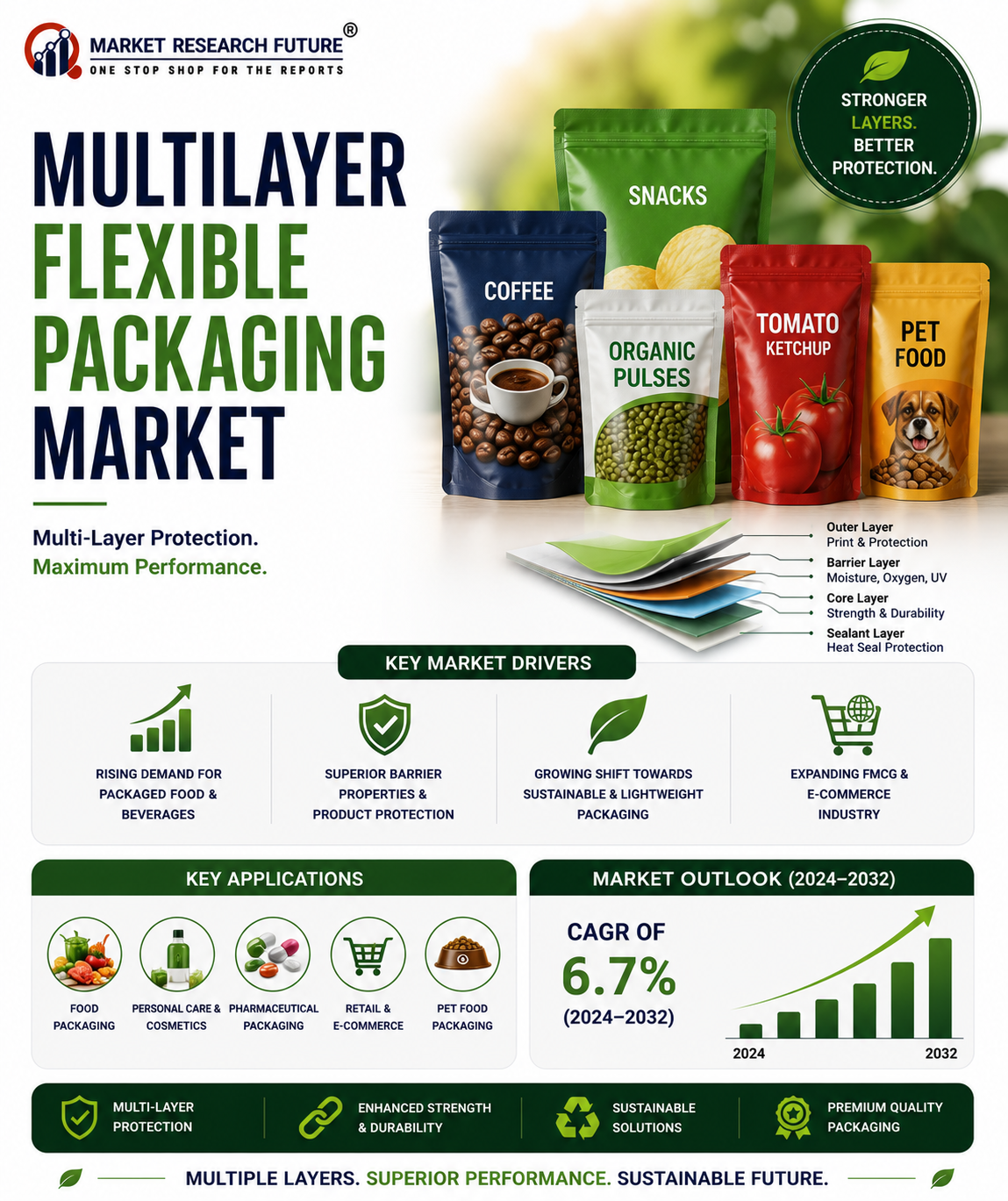
Multilayer flexible packaging has emerged as the gold standard for product protection, offering unparalleled barrier properties that preserve freshness and extend shelf life. These sophisticated packaging solutions, which combine multiple layers of materials such as polyethylene, polypropylene, polyamide, and aluminum foil, are engineered to provide specific protection against moisture, oxygen, light, and contamination. The global multilayer flexible packaging market, valued at USD 268.95 billion in 2024, is projected to reach USD 463.0 billion by 2035, growing at a robust CAGR of 5.06%. This remarkable growth trajectory reflects the increasing demand for advanced packaging solutions that can meet the evolving needs of consumers, manufacturers, and regulatory bodies worldwide. At the forefront of this growth are multilayer packaging films and high-barrier flexible packaging, which together are revolutionizing how products are protected and preserved across food, pharmaceutical, personal care, and industrial applications.
Understanding Multilayer Packaging Films
Multilayer packaging films represent a sophisticated engineering achievement in the packaging industry. These films typically consist of 3 to 7 layers, each serving a distinct functional purpose. The outer layer provides printability, strength, and resistance to external factors. The middle layers, often incorporating materials like polyamide or aluminum foil, deliver critical barrier properties against oxygen, moisture, and light. The inner layer ensures sealability, food contact safety, and compatibility with the packaged product.
The evolution of multilayer packaging films has been driven by the need for enhanced protection, sustainability, and cost-effectiveness. Polyethylene remains the dominant material due to its versatility, affordability, and recyclability. However, polypropylene is emerging as the fastest-growing material type, offering excellent moisture-barrier capabilities and a lightweight profile that appeals to manufacturers seeking sustainable solutions. Technological advancements in co-extrusion and lamination have enabled the development of films with superior barrier properties while using less material, contributing to both performance and environmental goals.
The Strategic Importance of High-Barrier Flexible Packaging
High-barrier flexible packaging represents a critical advancement in product protection, offering superior resistance to environmental factors that can degrade product quality. These packaging solutions are essential for preserving the freshness and integrity of perishable products, extending shelf life, and reducing food waste. The food packaging segment dominates the market, driven by increasing consumer demand for convenience and longer shelf life. Meanwhile, pharmaceutical packaging is emerging as the fastest-growing segment, reflecting heightened health awareness and stringent regulatory requirements for drug safety and efficacy.
The strategic importance of high-barrier flexible packaging is amplified by the need for sustainability and regulatory compliance. Companies are increasingly adopting high-barrier solutions that incorporate recyclable and biodegradable materials, addressing both environmental concerns and consumer preferences for sustainable packaging. The ability to maintain product integrity while reducing environmental impact positions high-barrier flexible packaging as a key enabler of sustainable development goals.
Key Applications Driving Market Growth
Multilayer packaging films and high-barrier flexible packaging find applications across diverse industries, each with unique requirements and challenges. In the food and beverage sector, these packaging solutions preserve freshness, prevent contamination, and extend shelf life for products ranging from snacks and beverages to dairy, meat, and ready-to-eat meals. The convenience food segment, in particular, relies heavily on advanced multilayer packaging to maintain product quality while meeting consumer demands for portability and ease of use.
The healthcare industry represents a significant and growing market for high-barrier packaging. Pharmaceutical products require packaging that ensures sterility, protects against moisture and light, and maintains drug stability throughout the product lifecycle. The increasing prevalence of biologics and sensitive drug formulations has driven demand for packaging solutions that offer exceptional barrier properties while complying with strict regulatory standards.
The personal care and cosmetics sector also benefits from multilayer packaging that preserves product integrity, provides aesthetic appeal, and enhances consumer experience. From lotions and creams to fragrances and hair care products, high-barrier flexible packaging ensures that products remain effective and visually appealing throughout their shelf life.
Benefits of Advanced Barrier Packaging
The benefits of multilayer packaging films and high-barrier flexible packaging extend across product protection, shelf life extension, cost efficiency, and sustainability. Advanced barrier properties ensure product integrity and safety, reducing waste and improving consumer satisfaction. Lightweight design reduces material usage and transportation costs, contributing to both economic and environmental benefits.
The adoption of advanced barrier packaging supports brand differentiation and consumer trust. Products that maintain their quality and freshness throughout their shelf life build consumer confidence and loyalty. The development of new materials and structures with improved performance continues to expand the application range and enhance the value proposition of multilayer packaging.
Future Trends and Opportunities
The future of multilayer packaging films and high-barrier flexible packaging is characterized by continued innovation in materials, technology, and sustainability. The development of mono-material, recyclable structures addresses recycling challenges and supports circular economy principles. Investment in smart packaging technologies, such as digital tracking and freshness indicators, is enhancing consumer engagement and supply chain transparency.
Expansion into emerging markets, particularly in Asia-Pacific, presents significant growth opportunities. The region, identified as the fastest-growing market for multilayer flexible packaging, is driven by rapid urbanization, increasing disposable incomes, and changing consumer lifestyles. Manufacturers that invest in innovative Multilayer packaging films and High-Barrier Flexible Packaging will be well-positioned to lead the packaging industry, delivering the advanced, sustainable solutions demanded by next-generation consumers and industries.

 Bangla