


How to Choose the Right Dining Chairs for an Indian Dining Table
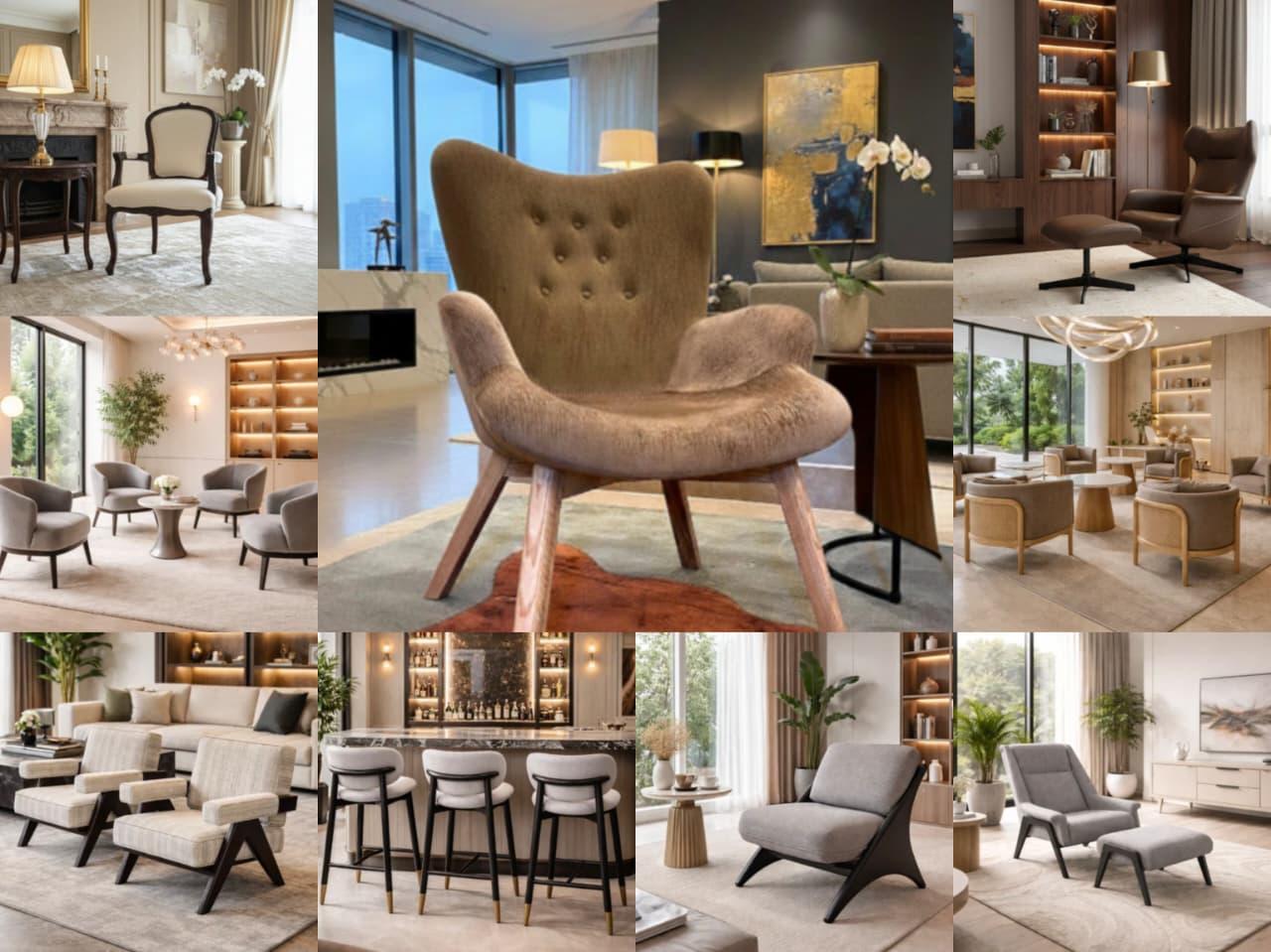
A practical buying guide to wood type, seat height, upholstery, and comfort for Indian dining rooms.
Walk into ten Indian homes, and you will probably see ten different dining tables, but the chairs around them rarely get the same attention. Most people spend weeks picking the table and then grab whatever chairs "match" in the last ten minutes of the order. That is backward, because chairs are what your family and guests actually touch, sit in, and judge comfort by for an hour or more at every meal.
This guide walks through what actually matters when choosing dining chairs, from the wood underneath the polish to the angle of the backrest, so you do not end up with chairs that look good in photos but feel wrong after the first big family dinner.
Start With the Wood, Not the Finish
Most dining chairs sold online fall into one of three categories: solid wood, engineered wood with a veneer, and metal-frame chairs with a wood-look finish. Solid wood, typically sheesham, mango, or teak in the Indian market, costs more upfront but handles daily wear, humidity swings, and the occasional dragged-across-the-floor moment far better than engineered alternatives. If you live in a coastal or high-humidity city, this matters even more, since cheaper composite materials tend to swell or warp over a few monsoons.
A simple way to check quality without a lab test: look at the joints. Dovetail or mortise-and-tenon joints (visible where the legs meet the seat frame) indicate proper carpentry. Chairs held together mostly by screws and brackets tend to wobble within a year or two of regular use.
Get the Proportions Right Before You Order
This is the step almost everyone skips. A dining chair needs to relate to your specific table, not just look nice on its own.
The standard formula that works for most Indian dining setups is a 10- to 12-inch gap between the seat height and the underside of the tabletop. If your table sits at 30 inches, you want chair seats in the 18- to 20-inch range. Too little gap and knees hit the table edge; too much and the table feels like it is floating somewhere near your chest.
Seat width matters just as much when you are buying six or eight chairs for a long table. Allow at least 24 inches of width per person at the table edge so elbows do not constantly bump into each other. If your dining area is on the smaller side, armless chairs let you fit more people in the same footprint, while chairs with arms are nicer for the host or hostess position at the ends.
Upholstered Seat vs Solid Wood Seat
This comes down to climate and how the chairs will actually be used. A fully upholstered seat in linen or velvet looks luxurious and is more comfortable for long meals, but in humid regions, it can hold moisture and odor if not maintained, and it is harder to clean after a toddler's meal goes sideways. A solid wood seat, sometimes with a thin cushion pad, is low-maintenance, ages well, and suits households that eat at the table daily rather than just for special occasions.
A reasonable middle ground that many Indian buyers land on is a wood-frame chair with a removable or wipeable fabric or leatherette cushion — you get cushioning where it counts without the upkeep of full upholstery.
Backrest Angle and Depth
This is the detail that separates a chair you can sit in for twenty minutes from one you can sit in for two hours. A backrest with a slight recline, roughly 95 to 100 degrees from the seat, supports the lower back without forcing you to slouch. Perfectly vertical backrests look architecturally clean but get uncomfortable fast, especially for older family members.
Contoured or slightly curved backrests, like those found on chairs with a shaped lumbar support, distribute weight better than flat slab backs. If chairs are also going to double as desks or work-from-home seating during the day, this becomes even more important.
Matching Style Without Matching Everything
A common myth is that dining chairs must match the table's wood tone and style exactly. In reality, a contrast pairing — for instance, a dark walnut table with lighter cane-back or upholstered chairs — often looks more intentional and current than a perfectly matched set. What you do want to keep consistent is the overall design language: a carved, traditional table generally looks odd next to minimalist Scandinavian chairs, while a clean-lined modern table can handle either modern or transitional chair styles.
If you are mixing chair types (say, two captain chairs with arms at the ends and standard chairs along the sides), keep the seat height and wood tone identical across all of them so the set still reads as one family of furniture.
Practical Checklist Before You Buy
Before finalizing any dining chair set, it helps to physically check or ask for these details from the seller:
-
Confirm the wood species and whether it is solid or engineered.
-
Check seat height against your table height (10–12-inch gap rule)
-
Sit-test the backrest angle if buying in person, or ask for the angle spec online
-
Ask about the upholstery fabric's cleaning instructions, if applicable.
-
Check weight capacity, especially for chairs with thinner tapered legs.
-
Confirm whether the finish is water- and heat-resistant for daily dining use.
A Note on Solid Wood Craftsmanship
If you want chairs that are built to be reupholstered or refinished a decade from now rather than replaced, it is worth looking at brands that manufacture in-house rather than just assembling imported parts. Twigs Direct's dining chair collection is a useful reference point for what solid wood joinery and contoured backrests look like at different price points, even if you end up buying elsewhere — it is a good benchmark for comparing build quality across brands.
Final Thought
Dining chairs are one of those purchases where the cheapest option rarely saves money in the long run, because replacing six or eight chairs after eighteen months of wobbling joints costs more than buying solid ones once. Spend the extra ten minutes checking wood type, joinery, and seat proportions before you order, and the chairs will outlast the table they sit under.

 Bangla