


Emergency Signs Explained Understanding Their Role in Crisis Management
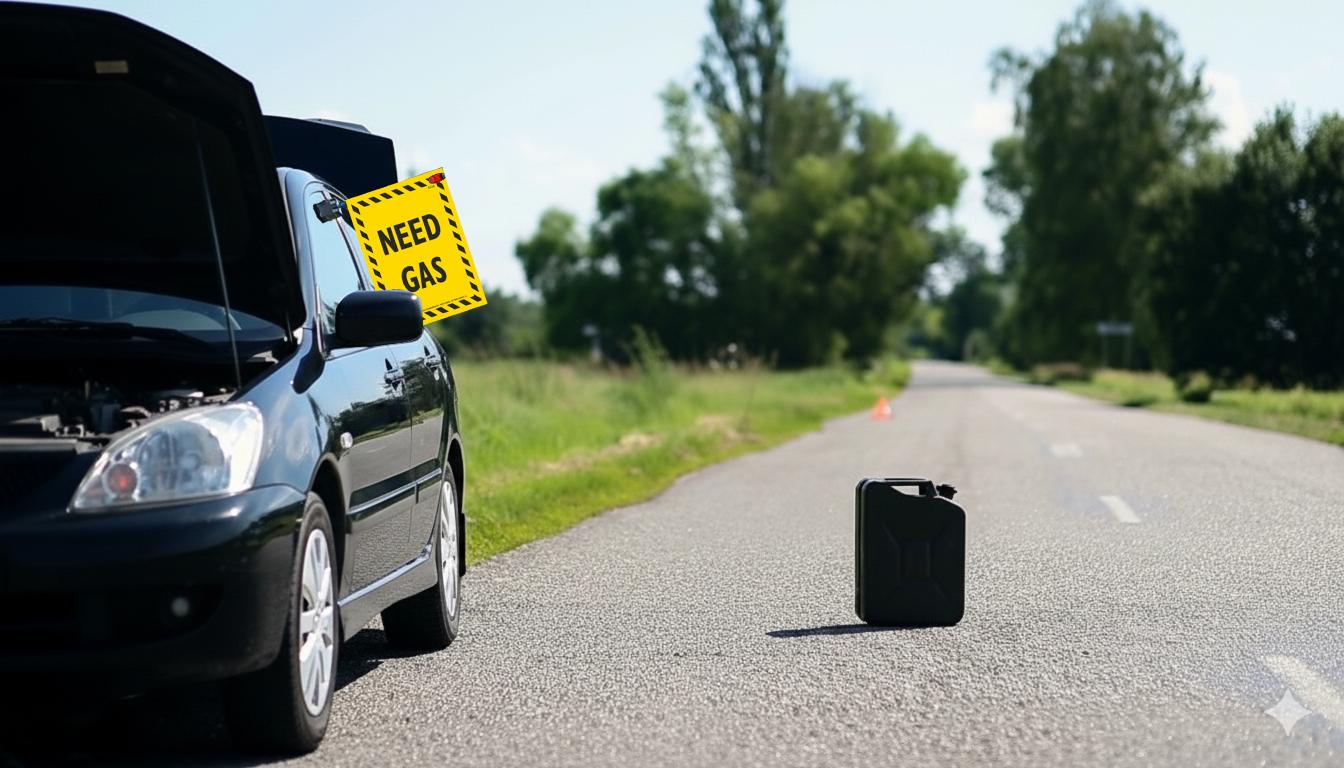
In every public space, workplace, and residential area, emergency signs play a crucial role in alerting individuals to potential hazards. These signs are essential tools used in crisis management to guide people safely through dangerous situations. From flashing alarms to cautionary symbols, these markers ensure that people are informed and can take quick action to mitigate risks.
In this article, we will delve into the significance of emergency signs, focusing on the different types, including danger sign, and why they are indispensable during emergencies. Whether you are in a workplace, at home, or in public spaces, understanding these signs can save lives.
The Importance of Emergency Signs in Crisis Management
When it comes to managing crises, clear and immediate communication is key. Emergency signs, in various forms, provide vital information that can help prevent accidents and direct people to safety. These signs can be anything from bright red hazard markers to flashing lights or even audible alarms. They work as a direct form of communication in moments when time is of the essence.
Whether it's a fire alarm, evacuation sign, or a warning of hazardous chemicals, emergency signs are designed to alert individuals quickly. They minimize confusion and ensure people understand the severity of the situation. Their immediate visibility can make all the difference between life and death, especially in chaotic environments.
Different Types of Emergency Signs: Understanding Their Functions
Emergency signs come in various forms, each designed for specific hazards. Recognizing these signs can help individuals make quick decisions when every second counts. Here are the most common types of emergency signs used in crisis management:
1. Danger Signs
Danger signs are perhaps the most universally recognized type of emergency sign. These signs typically have a bright red or yellow background, coupled with bold black symbols or text, indicating an immediate threat. For instance, "Danger: High Voltage" or "Danger: Flammable Material" are common in industrial and electrical settings. These signs are designed to warn individuals of significant threats that could lead to severe injury or even death.
2. Exit and Evacuation Signs
Exit and evacuation signs are often illuminated or marked with green or white to signify safety routes in case of an emergency. They are vital in buildings where people may need to evacuate quickly during a fire, chemical spill, or other dangerous situations. These signs are typically placed above doorways and along exit paths, providing a clear and safe route out of the premises.
3. Fire Safety Signs
Fire safety signs, which can include both fire alarms and fire extinguisher location signs, help ensure that people can act promptly in case of a fire. Fire exit signs, alarms, and symbols denoting where fire extinguishers and hoses are located, guide people through a potentially chaotic environment to safety. These signs are crucial in maintaining order and facilitating a quick response.
4. First Aid and Medical Signs
In any emergency situation, immediate access to medical assistance can be life-saving. First aid signs direct individuals to medical stations or first aid kits, ensuring that help is quickly available. These signs are often marked with a green background and a white cross, making them easily identifiable during stressful situations.
5. Hazardous Material Signs
In industrial settings or laboratories, hazardous material signs play an essential role in alerting workers to the presence of toxic, corrosive, or flammable substances. These signs are generally triangular or diamond-shaped with symbols that indicate the type of hazard, such as explosive materials, radiation, or chemical exposure. Understanding these signs is critical for preventing accidents and ensuring the safety of workers.
Role of Danger Signs in Hazard Mitigation
Among the various emergency signs, danger signs hold particular significance because they provide a clear and direct warning about immediate threats. Whether it’s a biological hazard, electrical shock risk, or the potential for an explosion, these signs act as a last line of defense for preventing accidents. They often include a symbol or message with a stark contrast in colors to immediately catch attention and ensure that the threat is not overlooked.
In high-risk areas, the presence of multiple danger signs can help mitigate potential hazards. For instance, in a construction zone, workers might encounter danger signs indicating the presence of heavy machinery, exposed wires, or falling debris. By understanding and acting upon these warnings, individuals can take preventive measures and avoid the dangerous consequences that may follow.
Best Practices for Using Emergency Signs
Proper installation, maintenance, and comprehension of emergency signs are essential to their effectiveness. Here are some best practices to ensure that emergency signs are used correctly:
1. Placement is Key
Emergency signs must be installed in locations that are easy to spot, even in low visibility conditions. Placing them near exits, hazardous areas, and high-traffic zones ensures they are noticed quickly. For instance, emergency exit signs should be placed above doors and along evacuation paths to guide people swiftly to safety.
2. Clear and Understandable
The messages on emergency signs should be simple, clear, and to the point. They should use internationally recognized symbols, with minimal text, to ensure that people can understand the sign even if they don’t speak the local language. A sign that says "Flammable Material" with a corresponding flame symbol is universally understood, regardless of linguistic barriers.
3. Regular Inspection and Updates
Regular inspection of emergency signs ensures they are not damaged or obscured. Faded signs, for instance, may not attract attention, rendering them ineffective in an emergency. Additionally, outdated signs should be replaced promptly to reflect current safety standards.
The Impact of Emergency Signs on Public Safety
The role of emergency signs in crisis management cannot be overstated. By quickly conveying critical information, they ensure that people can respond appropriately to dangerous situations. In workplaces, public buildings, and even at home, understanding the significance of emergency signs—especially danger signs—can help individuals act swiftly and effectively to protect themselves and others.
Without emergency signs, there would be confusion during emergencies, and the response time could be delayed. These signs allow people to stay calm, make informed decisions, and avoid making hasty mistakes that could worsen the crisis.
Conclusion
In conclusion, emergency signs, especially danger signs, are vital tools in ensuring safety and effective crisis management. By providing clear and concise warnings, these signs help individuals navigate through emergencies safely, mitigating the risks of injury and fatality. Properly placed, maintained, and understood emergency signs can make all the difference in responding effectively to crises. The importance of these signs cannot be overlooked, as they play a significant role in protecting lives and guiding individuals to safety during critical situations.

 Bangla