


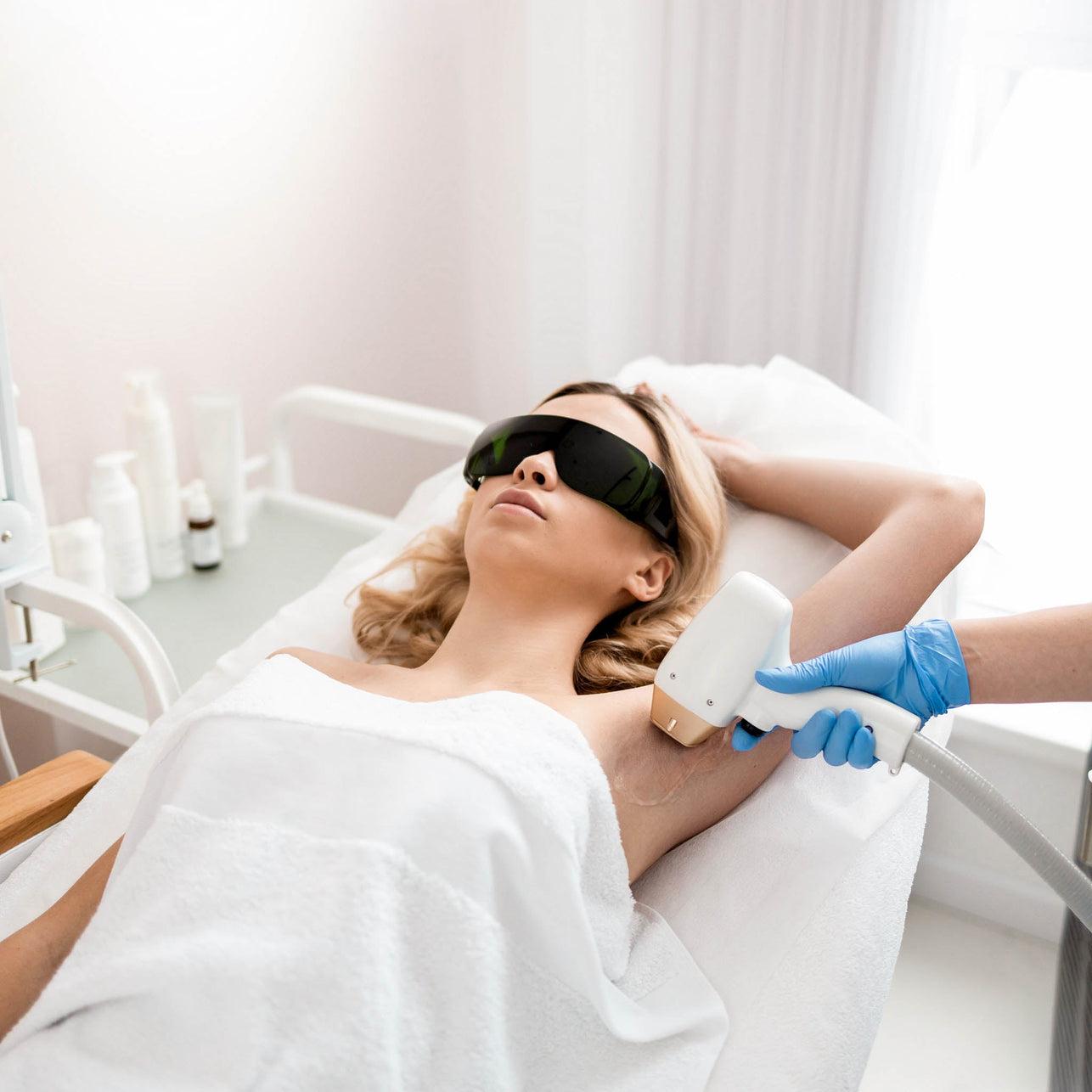
Laser Hair Removal has become a popular solution for long-term hair reduction, offering efficiency, precision, and minimal downtime compared to traditional methods like shaving or waxing. However, not all laser devices are the same, and the type of machine used can significantly impact treatment effectiveness, comfort, and safety. Understanding the differences between available laser technologies helps clients make informed decisions and ensures optimal results tailored to their skin and hair type.
Alexandrite Lasers:
Alexandrite lasers are widely used for hair removal on lighter skin tones due to their high melanin absorption. They operate at a wavelength of 755 nm, making them effective for targeting dark, coarse hair. Advantages and considerations include:
-
Fast treatment speed suitable for large areas
-
High effectiveness for fair to olive skin tones
-
Minimal downtime after sessions
-
Not ideal for darker skin tones due to increased risk of pigmentation changes
This type of laser is commonly chosen for legs, arms, and back, offering efficient results for lighter-complexioned clients.
Nd:YAG Lasers:
Nd:YAG lasers operate at a longer wavelength of 1064 nm, allowing deeper penetration and safer use on darker skin tones. They are less absorbed by epidermal melanin, reducing the risk of burns and pigmentation issues. Key features include:
-
Safe for all skin types, including dark and tanned skin
-
Effective for coarse, stubborn hair
-
Slightly more discomfort due to deeper penetration
-
Longer treatment sessions compared to Alexandrite lasers
Nd:YAG lasers are ideal for clients with higher melanin levels and for areas that require careful treatment, such as the back or bikini line.
Diode Lasers:
Diode lasers are versatile devices that can accommodate a range of skin types and hair textures. Operating at wavelengths between 800–810 nm, they offer a balance between absorption by melanin and depth of penetration. Benefits include:
-
Effective on medium to dark skin tones
-
Suitable for small and large treatment areas
-
Moderate pain levels, often mitigated with cooling technology
-
Adjustable settings for personalized treatment plans
Diode lasers are popular in both medical and cosmetic settings, providing flexibility and reliable outcomes across diverse client profiles.
Ruby Lasers:
Ruby lasers were among the first types of devices developed for hair removal, using a wavelength of 694 nm. They are highly effective for very fine, light hair on fair skin. Key points include:
-
High precision for small areas
-
Limited effectiveness on darker or coarse hair
-
Longer treatment times due to smaller spot sizes
-
Increased risk of skin irritation on tanned or darker skin
While less commonly used today, ruby lasers remain suitable for targeted areas on lighter-complexioned clients.
IPL (Intense Pulsed Light) Systems:
Though technically not a laser, IPL devices are often included in hair removal discussions. They emit broad-spectrum light that targets melanin in hair follicles. IPL offers:
-
Flexibility for various hair and skin types
-
Shorter treatment sessions for small areas
-
Less precise energy delivery compared to true lasers
-
Higher potential for inconsistent results on dark or tanned skin
IPL is often recommended for cosmetic clinics seeking a multi-purpose device, but laser systems are generally preferred for predictable long-term hair reduction.
Factors Affecting Machine Choice:
Choosing the right laser system depends on several client-specific and technical considerations. Providers must evaluate:
-
Skin tone and hair color combination
-
Area size and hair density
-
Pain tolerance and comfort preferences
-
Technology availability and operator experience
Matching the appropriate machine to the client’s characteristics ensures maximum safety, efficiency, and long-term results.
Cooling Systems and Comfort:
Many modern laser machines incorporate cooling technologies to minimize discomfort and protect the skin during treatment. Common methods include contact cooling, cryogen spray, and air-cooling systems. Benefits include:
-
Reduced pain during sessions
-
Minimized redness and swelling
-
Safer treatments for sensitive areas
-
Increased client satisfaction and compliance
Cooling systems are an important factor when comparing machines, especially for larger areas or repeated sessions.
Speed and Treatment Area Coverage:
The speed at which a laser can cover treatment areas influences session duration and client convenience. Some machines are optimized for large areas, while others provide precision for smaller, delicate zones. Considerations include:
-
Large spot sizes for legs, back, or chest
-
Smaller spot sizes for face, bikini line, or underarms
-
Faster repetition rates reduce session time
-
Trade-off between speed and precision
Evaluating the balance between coverage and accuracy helps clients and providers plan efficient treatment schedules.
Maintenance and Cost Considerations:
Laser systems vary in purchase price, maintenance requirements, and consumable costs. These factors can influence both the clinic’s pricing and client experience. Key points include:
-
Upfront investment in device and training
-
Regular maintenance for optimal performance
-
Cost-effectiveness relative to session pricing
-
Availability of support and replacement parts
Understanding the financial implications helps clinics maintain safety standards and clients achieve consistent results.
Combining Machines for Optimal Results:
Some clinics use multiple laser types to address a variety of client needs. For example, combining Nd:YAG for dark skin areas with Alexandrite for lighter regions can maximize overall effectiveness. Benefits of a multi-device approach include:
-
Tailored treatment for each skin type
-
Ability to treat all body areas safely
-
Enhanced flexibility for client scheduling
-
Improved satisfaction through more predictable outcomes
Using the right combination of machines ensures comprehensive coverage and safety.
Final Thoughts:
Not all laser hair removal machines are created equal, and selecting the right system is crucial for safe, effective, and comfortable treatments. Alexandrite, Nd:YAG, diode, and ruby lasers each offer unique advantages depending on skin tone, hair type, and treatment area. IPL devices provide an alternative, though they may be less precise. Factors such as cooling systems, treatment speed, and machine maintenance also play a significant role in overall results. By understanding the differences between machines and consulting with experienced providers, clients can achieve optimal hair reduction while minimizing risk, discomfort, and downtime.

 Bangla