


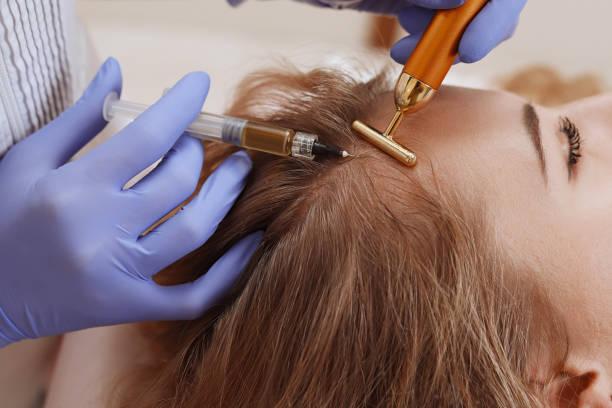
In the world of hair restoration, few treatments have generated as much excitement as exosome hair in Dubai. Unlike traditional approaches that merely mask symptoms or provide modest improvements, exosome therapy offers a scientifically validated method for actually regenerating hair follicles and stimulating new growth. The evidence is compelling: clinical studies demonstrate significant increases in hair density, thickness, and patient satisfaction. This article delves into the robust scientific evidence supporting exosome therapy, exploring the research, mechanisms, and real-world results that make it a game-changer in hair restoration.
The Scientific Foundation of Exosome Therapy
Understanding the Biology
Exosomes are nanoscale extracellular vesicles, typically 30 to 200 nanometers in size, that act as powerful messengers between cells. Think of them as tiny delivery packages packed with growth factors, proteins, lipids, and microRNAs that tell other cells how to heal, regenerate, and function optimally.
Unlike stem cells themselves, exosomes are cell-free entities, which means they pose minimal risks of rejection or immune complications. When used for hair restoration, exosomes are typically derived from mesenchymal stem cells sourced from adipose tissue, placenta, umbilical cord, or bone marrow. These exosomes are then purified and concentrated in accredited laboratories to create a potent therapeutic solution.
Key Mechanisms of Action
When applied to the scalp through fine needle injections, exosomes penetrate deeply to deliver their regenerative signals directly to hair follicles. The key mechanisms include:
-
Activating Hair Follicle Stem Cells: Exosomes deliver microRNAs and growth factors that activate Wnt/β-catenin signaling, the master regulator of anagen (growth phase) induction.
-
Neutralizing Dihydrotestosterone Effects: Exosomes from adipose-derived stem cells carry miR-122-5p, which blocks the TGF-β1/SMAD3 pathway that DHT uses to suppress hair growth.
-
Restoring the Follicular Vascular Niche: Dental pulp stem cell exosomes activate the PI3K/Akt pathway and upregulate VEGFA, reconstructing the blood vessel network around hair follicles.
-
Reducing Inflammation and Oxidative Stress: Exosomes possess potent anti-inflammatory and antioxidant properties that combat scalp inflammation and oxidative damage.
-
Stimulating Dermal Papilla Cell Proliferation: Studies show that adipose stem cell-derived exosomes significantly increase the proliferation of dermal papilla cells and upregulate hair growth-related genes including ALP, VCAN, and β-catenin.
Clinical Evidence: What the Research Shows
Comprehensive Systematic Review
A systematic review published in 2025 analyzed 11 clinical studies on exosome therapy for hair loss, including two randomized controlled trials . The findings were compelling and consistent across multiple exosome sources.
Hair Density Improvements:
| Exosome Source | Study | Sample Size | Hair Density Increase |
|---|---|---|---|
| Placenta-derived | Dehghani et al. (2024) | 12 AGA patients | 96.5 to 163.5 hairs/cm² (70% increase) |
| Adipose-derived | Nadeem et al. (2024) | 85 AGA patients | +35 hairs/cm² (p<0.001) |
| Foreskin-derived | Ersan et al. (2024) | 30 male AGA patients | 149.7 to 157 hairs/cm² |
| Umbilical cord | Shin et al. (2024) | 42 patients | Significant increase in hair density and thickness |
| Dental pulp | Wan et al. (2025) | 16 males | +35 hairs/cm² |
Hair Quality Improvements:
-
A 30-patient study combining exosome therapy with microneedling reported that investigators rated hair-quality improvement in 97% of subjects and hair-growth improvement in 83%.
-
No adverse events were observed in this study.
Patient Satisfaction:
-
A randomized controlled trial with 85 patients reported patient satisfaction rated 8.5/10.
-
The same study demonstrated a significant increase in hair density (by 35 hairs/cm², p=0.001) and hair thickness (by 13.01 µm, p=0.001).
Key Signaling Pathways
Understanding the molecular mechanisms provides insight into why exosome therapy is so effective:
Wnt/β-Catenin Pathway Activation:
-
Exosomes activate this pathway, essential for hair follicle stem cell activation and dermal papilla cell proliferation.
-
Studies show exosomes can activate the Wnt/β-catenin signaling pathway comparable to minoxidil (a 2.5× increase in β-catenin accumulation and 3.6× increase in K15-positive cells in a mouse model).
PI3K/Akt-VEGFA Axis:
-
Dental pulp stem cell exosomes activate this axis, restoring the follicular vascular niche.
-
This reconstruction of the blood vessel network is crucial for delivering nutrients and oxygen to growing hair follicles.
Protection Against DHT:
-
Adipose-derived exosomes demonstrate protection against DHT-induced damage.
-
Effects are comparable to minoxidil, a standard first-line treatment for hair loss.
Exosome Therapy vs. Other Treatments
Comparative Effectiveness
A systematic review comparing exosome therapy, PRP, and minoxidil found that exosome therapy shows the most promising results in terms of hair regrowth and safety, followed by PRP, which offers moderate benefits.
| Treatment | Growth Factors | Sessions Required | Downtime | Evidence Strength |
|---|---|---|---|---|
| Exosome Therapy | 1,000+ types | 2-3 initial, then maintenance | Minimal | Strong (RCTs available) |
| PRP | Moderate | 4-6 initial, ongoing maintenance | Minimal | Moderate |
| Minoxidil | N/A | Daily application, ongoing | None | Strong for maintenance |
| Hair Transplant | N/A | Single procedure | 1-2 weeks | Strong for advanced loss |
Synergistic Combinations
Many clinics now recommend combination approaches:
-
Exosomes + PRP: Some patients benefit from starting with exosomes for a stronger regenerative kick, then maintaining with PRP.
-
Exosomes + Microneedling: Microneedling enhances exosome penetration and efficacy.
-
Exosomes + Laser Therapy: Low-level laser therapy can complement exosome effects by improving perfusion.
Breakthrough Results for Alopecia Areata
A Remarkable Case Report
One of the most remarkable developments in exosome therapy has been its success in treating alopecia areata, an autoimmune condition that causes patchy hair loss. A 2025 case report published in the Journal of Advances in Medical Sciences documented a 49-year-old woman with alopecia totalis who had not responded to conventional treatments.
After five biweekly sessions of ASCE HRLV-E exosome therapy:
-
The patient developed substantial long, densely distributed terminal hair.
-
Regrowth was maintained at the one-year follow-up without further treatment.
-
Patient satisfaction was rated 10 out of 10.
-
Marked improvement in psychological wellbeing was noted.
This represents a significant breakthrough for a condition that has historically been extremely difficult to treat.
The Safety Profile
Clinical Safety Evidence
Across all 11 clinical studies reviewed in the systematic review, no serious adverse events were reported. Side effects were limited to mild, transient local reactions with no severe systemic issues.
Common Side Effects:
-
Mild redness at injection sites
-
Temporary tenderness
-
Pinpoint bruising
-
Slight swelling
Safety Features:
-
Cell-free nature eliminates risk of rejection
-
No immune complications
-
Strict laboratory quality control and purification
-
DHA-regulated procedures ensure high safety standards
Contraindications
While exosome therapy is generally safe, certain patients may not be suitable candidates:
-
Pregnant or breastfeeding women
-
Individuals with active scalp infections
-
Those with severe autoimmune conditions
-
Patients with blood clotting disorders
Why Evidence Matters
Making Informed Decisions
The robust scientific evidence for exosome therapy empowers patients to make informed decisions about their hair restoration journey. Unlike treatments that rely on anecdotal evidence or marketing claims, exosome therapy is backed by:
-
Randomized controlled trials
-
Systematic reviews
-
Multiple independent studies
-
Consistent results across different exosome sources
-
Published case reports
The Importance of Quality
Not all exosome products are created equal. The quality of exosomes depends on:
-
Source of stem cells
-
Laboratory purification methods
-
Concentration and potency
-
Storage and handling
Choosing a clinic that uses high-quality exosome products from accredited laboratories is essential for achieving the results demonstrated in clinical studies.
Frequently Asked Questions
1. What is the strongest evidence for exosome hair therapy?
A 2025 systematic review of 11 clinical studies, including randomized controlled trials, demonstrated significant improvements in hair density, thickness, and patient satisfaction across multiple exosome sources.
2. How much hair regrowth can I expect from exosome therapy?
Studies show average increases of 35 hairs/cm² in density and 13.01 µm in thickness. Some studies reported up to 70% increase in hair density.
3. Is exosome therapy better than PRP based on evidence?
Yes, systematic reviews show exosome therapy demonstrates more promising results than PRP and minoxidil, with higher growth factor concentration and more consistent outcomes.
4. Has exosome therapy been studied for alopecia areata?
Yes, a 2025 case report documented complete hair regrowth in a patient with alopecia totalis who had not responded to conventional treatments.
5. What are the side effects of exosome therapy based on clinical studies?
Across all 11 clinical studies reviewed, side effects were limited to mild, transient local reactions such as redness and tenderness. No serious adverse events were reported.
6. How does exosome therapy work at the molecular level?
Exosomes activate Wnt/β-catenin signaling, neutralize DHT effects via miR-122-5p, restore the follicular vascular niche through PI3K/Akt-VEGFA activation, and reduce inflammation.
7. Is exosome therapy FDA approved?
Exosome therapy for hair loss is regulated as a biologic therapy. In Dubai, it is regulated by the Dubai Health Authority (DHA) to ensure safety and quality standards.
8. Can exosome therapy be combined with other treatments?
Yes, evidence supports combining exosome therapy with microneedling for enhanced penetration, and it can work synergistically with PRP and laser therapy.
Conclusion
The scientific evidence for exosome hair therapy in Dubai is robust and growing. From clinical studies demonstrating significant increases in hair density and thickness to breakthrough results in challenging conditions like alopecia areata, the research supports exosome therapy as a leading non-surgical solution for hair restoration. The safety profile is excellent, with no serious adverse events reported across multiple studies. For patients seeking a scientifically validated approach to hair regrowth, exosome therapy represents a compelling option.
If you are ready to experience the science-backed results of exosome therapy, our expert team at Tajmeels Clinic is here to guide you. We offer personalized consultations and advanced treatment plans tailored to your unique hair restoration needs. Contact us today to schedule your consultation and take the first step toward fuller, healthier hair.

 Bangla