


Professional Ikea Kitchen Planning Guide for Every Home
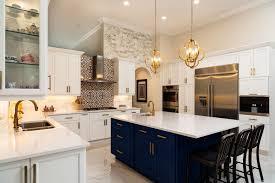
A kitchen is more than a place to prepare meals—it's where families gather, conversations happen, and memories are created. Whether you're remodeling an outdated space or designing a brand-new kitchen, Ikea kitchen planning offers an affordable and flexible way to achieve a modern, practical layout without compromising on quality.
IKEA is known for its modular cabinet systems, customizable storage options, and sleek Scandinavian designs. However, creating the perfect kitchen requires more than simply selecting cabinets. Proper planning helps maximize every inch of available space, improves workflow, and ensures your investment delivers long-term value.
This guide explains everything you need to know about professional Ikea kitchen planning, from measuring your space to selecting cabinets, layouts, storage solutions, and installation options. You'll also discover expert tips that can help you avoid common mistakes while making your kitchen both beautiful and highly functional.
Why Ikea Kitchen Planning Matters
Many homeowners focus on cabinet styles and colors before considering the actual layout. In reality, planning is the foundation of every successful kitchen project.
Professional planning helps you:
- Make better use of available space
- Improve cooking efficiency
- Reduce unnecessary renovation costs
- Choose storage that matches your lifestyle
- Avoid installation problems
- Create a balanced and attractive design
Without a clear plan, even expensive materials may not produce the results you expect.
Understanding the Ikea Kitchen System
One reason IKEA kitchens have become so popular is their modular design. Instead of custom-built cabinets, IKEA offers standardized cabinet frames that can be combined in countless ways.
This system allows homeowners to create kitchens suitable for:
- Small apartments
- Family homes
- Open-plan living spaces
- Luxury modern kitchens
- Rental properties
Because components are modular, they can often be upgraded or modified later if your needs change.
Step 1: Measure Your Kitchen Carefully
Every successful Ikea kitchen planning project begins with accurate measurements.
Before selecting cabinets, record:
- Wall lengths
- Ceiling height
- Window dimensions
- Door locations
- Plumbing connections
- Electrical outlets
- Gas lines
- Ventilation points
Double-check every measurement. Even small errors can affect cabinet placement and appliance installation.
Professional designers often recommend measuring twice before making any purchasing decisions.
Step 2: Choose the Best Kitchen Layout
The layout determines how comfortable and efficient your kitchen will be.
L-Shaped Kitchen
Ideal for small and medium-sized homes.
Advantages include:
- Open floor space
- Easy movement
- Flexible dining area
- Excellent storage potential
U-Shaped Kitchen
Perfect for larger kitchens where storage is a priority.
Benefits include:
- More countertop space
- Additional cabinets
- Excellent workflow
- Separate cooking zones
Galley Kitchen
Designed for compact homes and apartments.
Advantages:
- Efficient workflow
- Lower renovation cost
- Easy organization
- Minimal wasted space
Island Kitchen
An island creates extra workspace while becoming the centerpiece of the room.
It can include:
- Sink
- Seating area
- Storage cabinets
- Preparation space
- Cooktop installation
Step 3: Apply the Kitchen Work Triangle
Professional designers often follow the kitchen work triangle concept.
The triangle connects three main areas:
- Refrigerator
- Sink
- Cooktop
Keeping these areas within comfortable walking distance reduces unnecessary movement and makes cooking faster and more convenient.
Selecting the Right Cabinets
Cabinets represent one of the largest investments in any kitchen project.
During Ikea kitchen planning, consider:
- Family size
- Cooking habits
- Storage needs
- Future expansion
- Maintenance requirements
Modern IKEA cabinets are available in numerous finishes, allowing homeowners to create both contemporary and traditional interiors.
Smart Storage Makes a Big Difference
A well-designed kitchen isn't necessarily larger—it simply uses space more efficiently.
Popular storage features include:
- Deep drawers
- Pull-out pantry units
- Corner storage systems
- Cutlery organizers
- Hidden recycling bins
- Vertical tray storage
- Spice pull-outs
These features reduce clutter while making everyday cooking more convenient.
Countertops: Finding the Right Balance
Countertops affect both appearance and functionality.
Popular options include:
Laminate
- Budget-friendly
- Easy maintenance
- Wide variety of colors
Quartz
- Durable
- Scratch resistant
- Low maintenance
- Premium appearance
Wood
- Warm natural look
- Excellent for traditional kitchens
- Requires regular care
Choosing the right countertop depends on your cooking habits, maintenance preferences, and overall budget.
Lighting Should Never Be an Afterthought
Lighting transforms both the appearance and usability of a kitchen.
A balanced lighting plan usually combines:
Ambient Lighting
Provides general room illumination.
Task Lighting
Installed beneath cabinets for food preparation.
Accent Lighting
Highlights shelves, display cabinets, and decorative elements.
Good lighting improves safety while creating a welcoming atmosphere.
Selecting Appliances That Fit Your Layout
Appliances should complement your kitchen design rather than limit it.
Consider:
- Refrigerator size
- Built-in oven
- Cooktop
- Microwave placement
- Dishwasher location
- Range hood ventilation
Ensure each appliance fits comfortably within the cabinet layout before finalizing your design.
When Should You Consider an IKEA Kitchen Remodeling Service?
If your existing kitchen has outdated cabinets, inefficient storage, or poor workflow, hiring an IKEA kitchen remodeling service can simplify the renovation process.
Professional remodelers help with:
- Space planning
- Cabinet configuration
- Appliance integration
- Installation
- Project management
Budgeting for Your Ikea Kitchen Planning Project
One of the biggest advantages of Ikea kitchen planning is the ability to create a beautiful kitchen that suits a variety of budgets. Whether you're refreshing a small apartment kitchen or completing a full home renovation, having a realistic budget helps you make informed decisions.
Your budget should include:
- Cabinets and drawer systems
- Countertops
- Kitchen appliances
- Sink and faucet
- Flooring
- Lighting fixtures
- Backsplash materials
- Delivery charges
- Installation costs
- A contingency fund for unexpected expenses
Setting aside an additional 10–15% of your budget can help cover unforeseen costs that may arise during the renovation process.
Choosing the Right Colors and Finishes
The colors and finishes you choose have a major impact on the overall look and feel of your kitchen.
White Kitchens
White cabinets remain a popular choice because they create a bright, clean, and spacious appearance. They work especially well in smaller kitchens by reflecting natural light.
Wood Finishes
Natural wood tones add warmth and character, making the kitchen feel inviting and timeless.
Matte Finishes
Matte cabinet doors offer a modern, elegant appearance while helping reduce visible fingerprints and smudges.
Two-Tone Designs
Combining light upper cabinets with darker lower cabinets creates visual interest without overwhelming the space.
Whatever style you choose, aim for a cohesive design that complements the rest of your home's interior.
Why Consider an IKEA Kitchen Renovation?
An IKEA kitchen renovation is an excellent option if your current kitchen no longer meets your family's needs. Renovating doesn't always mean starting from scratch—it can involve updating cabinets, improving storage, replacing countertops, or upgrading appliances.
Benefits of renovating include:
- Better functionality
- Increased home value
- Improved energy efficiency
- Enhanced storage capacity
- A fresh, modern appearance
Thoughtful planning ensures every upgrade contributes to a kitchen that's both practical and visually appealing.
Custom IKEA Kitchen Solutions for Unique Spaces
Every home is different, and some kitchens require creative design solutions. Fortunately, Custom IKEA kitchen solutions allow homeowners to personalize standard IKEA components to fit their specific space and style.
Examples include:
- Floor-to-ceiling pantry cabinets
- Built-in breakfast stations
- Hidden appliance storage
- Open shelving for decorative displays
- Custom cabinet fronts
- Integrated seating and storage
These personalized features help maximize space while giving your kitchen a distinctive look.
Tips for a Smooth IKEA Cabinet Installation
Proper IKEA cabinet installation is essential for a professional finish. Whether you install the cabinets yourself or hire professionals, careful preparation makes the process easier.
Keep these tips in mind:
- Ensure walls and floors are level before installation.
- Assemble cabinets according to the instructions.
- Install wall cabinets before base cabinets.
- Double-check measurements before drilling.
- Leave adequate space for appliances and plumbing.
- Secure cabinets firmly for long-term stability.
- Adjust doors and drawers after installation for proper alignment.
A well-installed kitchen not only looks better but also performs reliably for years.
Common Ikea Kitchen Planning Mistakes to Avoid
Even with quality products, poor planning can affect the final outcome. Avoid these common mistakes:
Ignoring Storage Needs
Think about your daily cooking habits and choose storage solutions that match your lifestyle.
Choosing Style Over Function
A beautiful kitchen should also be practical and comfortable to use.
Incorrect Measurements
Always verify room dimensions before ordering cabinets or appliances.
Poor Lighting Design
Insufficient lighting can make food preparation difficult and reduce the kitchen's appeal.
Overlooking Future Needs
Plan for changes in your household, additional appliances, or evolving storage requirements.
Avoiding these mistakes can save both time and money.
Expert Tips for Successful Ikea Kitchen Planning
Professional designers recommend the following best practices:
- Prioritize workflow before selecting finishes.
- Maximize vertical storage with tall cabinets.
- Include deep drawers for pots and pans.
- Select durable materials for frequently used surfaces.
- Keep countertops as clutter-free as possible.
- Plan electrical outlets for small appliances.
- Incorporate a mix of open and closed storage.
- Choose energy-efficient appliances whenever possible.
Small design decisions often have the greatest impact on everyday convenience.
Frequently Asked Questions
Is Ikea kitchen planning suitable for small kitchens?
Yes. IKEA's modular cabinet system is ideal for compact kitchens because it offers flexible layouts and space-saving storage solutions.
How long does an IKEA kitchen renovation take?
The timeline depends on the size and complexity of the project. A typical renovation can take anywhere from a few weeks to a couple of months, including planning, ordering, and installation.
Can I install IKEA cabinets myself?
Many homeowners successfully install IKEA cabinets on their own. However, professional installation is recommended for larger or more complex kitchens.
Are IKEA kitchens durable?
Yes. With proper installation and regular maintenance, IKEA kitchens are designed to provide years of reliable performance.
Is professional planning worth it?
Absolutely. Professional planning helps avoid costly mistakes, improves functionality, and ensures your kitchen is tailored to your lifestyle
Conclusion
A successful Ikea kitchen planning project begins with thoughtful preparation and informed decisions. From selecting the ideal layout and storage solutions to choosing quality finishes and ensuring accurate installation, every step contributes to a kitchen that is both beautiful and functional.
Whether you're planning a simple upgrade or a complete renovation, investing time in the planning process will help you achieve a space that supports your daily routine while adding long-term value to your home. By combining smart design principles with flexible IKEA products, you can create a kitchen that reflects your style, meets your practical needs, and stays within your budget.

 Bangla