


Why Synthetic Lubricants Are Gaining Momentum in Saudi Arabia
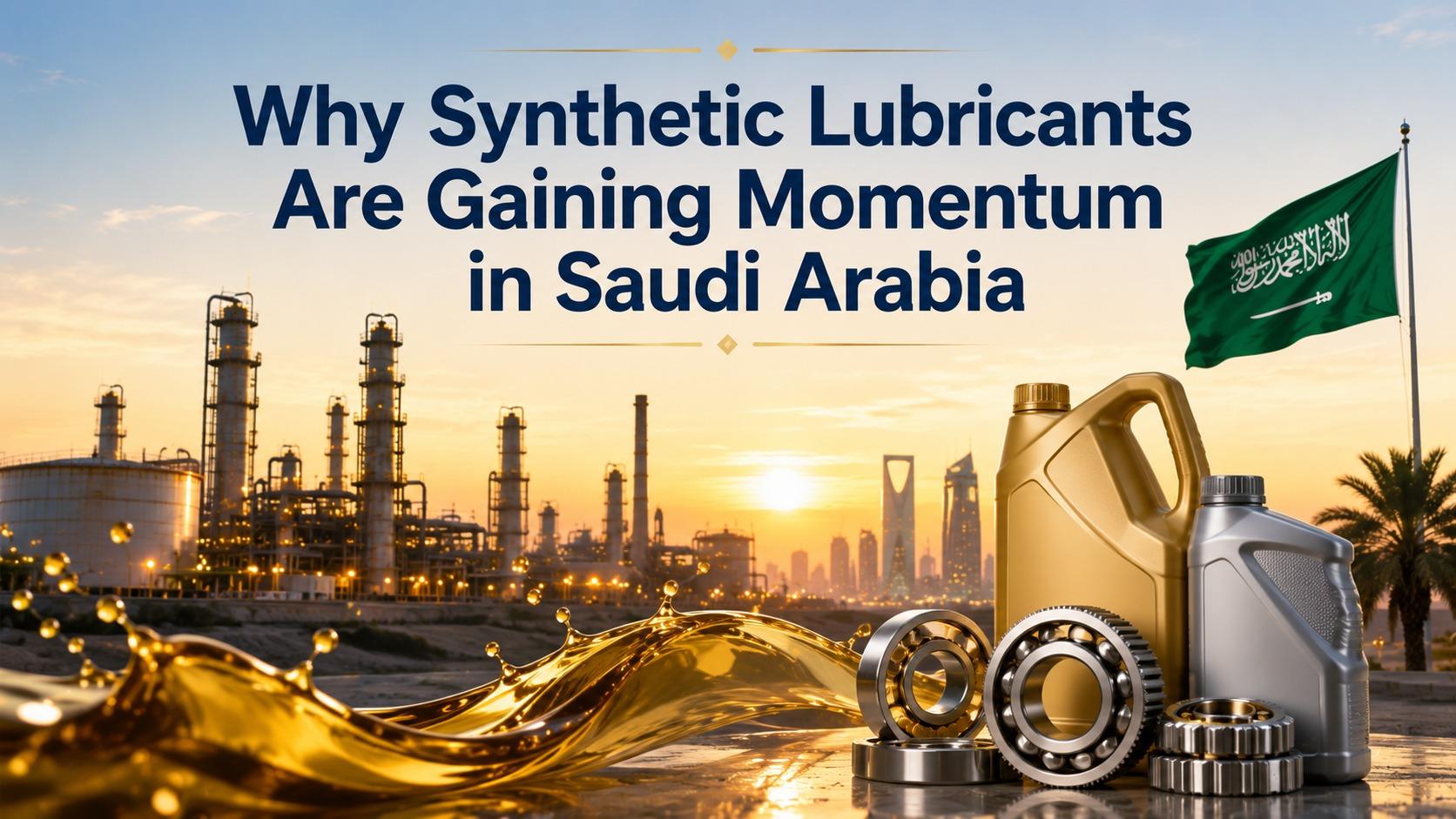
Synthetic lubricants are becoming an increasingly important part of Saudi Arabia’s industrial and automotive landscape. As the country continues to modernize its manufacturing capabilities, transportation infrastructure, and industrial operations, demand is growing for lubricants that offer higher performance, greater reliability, and improved equipment protection. Unlike conventional mineral-based lubricants, synthetic formulations are engineered to perform efficiently under challenging operating conditions, making them suitable for a wide range of applications.
The country's focus on industrial diversification and infrastructure development has created favorable conditions for advanced lubrication technologies. Businesses seeking deeper insights into evolving high-performance lubricant applications in Saudi Arabia are increasingly monitoring industry developments, technology adoption, and changing customer requirements. These trends continue to shape purchasing decisions across multiple end-user industries.
Growing investments in manufacturing, construction, logistics, and transportation are encouraging organizations to prioritize operational efficiency and equipment longevity. As machinery becomes more sophisticated, lubricant performance plays a greater role in reducing maintenance requirements and supporting uninterrupted industrial operations. This shift has positioned synthetic lubricants as a preferred option for many businesses seeking long-term operational benefits.
What Makes Synthetic Lubricants Different?
Synthetic lubricants are chemically engineered to provide consistent performance across a broader temperature range than conventional lubricants. Their molecular structure allows them to resist oxidation, minimize sludge formation, and maintain viscosity under demanding operating conditions. These characteristics contribute to smoother equipment performance and improved component protection throughout extended operating cycles. According to the American Petroleum Institute, lubricant quality remains a critical factor in maintaining engine and machinery efficiency across industrial applications.
Growing Industrial Demand
Saudi Arabia's industrial sector continues to diversify across manufacturing, petrochemicals, mining, construction, and energy. Equipment operating within these industries often functions under high temperatures, heavy loads, and dusty environments. Synthetic lubricants help reduce wear, improve thermal stability, and support continuous operations where equipment reliability is essential.
Industrial facilities increasingly recognize that lubrication strategies influence maintenance planning, equipment lifespan, and overall productivity. Selecting premium lubrication products has become part of broader asset management initiatives designed to improve operational performance while reducing unexpected downtime.
Automotive Sector Continues to Influence Demand
The automotive sector remains one of the largest users of synthetic lubricants. Passenger vehicles, commercial fleets, heavy trucks, and specialized transport equipment require advanced engine oils and transmission fluids capable of supporting modern engine technologies. As vehicle owners become more aware of maintenance practices, demand for premium lubricants continues to strengthen.
Fleet operators also benefit from synthetic lubricants because they can help maintain engine cleanliness and consistent performance over extended operating periods. These operational advantages are particularly valuable for logistics companies that depend on reliable vehicle availability.
Technology Is Driving Product Innovation
Lubricant manufacturers continue investing in research to improve formulation technologies. Advanced additive packages, improved base oils, and enhanced performance characteristics are helping synthetic lubricants meet the requirements of modern engines and industrial machinery. Manufacturers are also developing products designed to improve fuel efficiency, reduce component wear, and perform effectively under increasingly demanding operating conditions.
Innovation is extending beyond performance improvements. Companies are exploring environmentally responsible formulations, production methods, and packaging solutions that align with broader sustainability initiatives across global industrial markets.
Supporting Equipment Reliability
Equipment reliability remains a top priority for organizations operating large industrial assets. Unexpected machinery failures can disrupt production schedules, increase maintenance expenses, and reduce operational efficiency. High-quality lubrication plays a preventive role by minimizing friction, protecting moving components, and reducing heat generation during operation.
Maintenance teams increasingly view lubrication as an essential component of predictive maintenance programs. By combining premium lubricants with regular monitoring and scheduled servicing, organizations can improve equipment performance while reducing the likelihood of unexpected breakdowns.
Importance Across Multiple Industries
Synthetic lubricants support numerous sectors beyond automotive applications. Aviation, marine transportation, power generation, manufacturing, mining, and construction all rely on specialized lubricant formulations tailored to their operating environments. Each industry requires products capable of meeting specific technical requirements while maintaining consistent performance throughout demanding operating cycles.
The versatility of synthetic lubricants enables manufacturers to develop solutions for specialized machinery, hydraulic systems, compressors, gearboxes, and industrial engines. This broad application range continues to expand their importance across Saudi Arabia's evolving industrial economy.
Looking Ahead
As Saudi Arabia continues strengthening its industrial capabilities and modernizing key economic sectors, demand for advanced lubrication technologies is expected to remain an important area of focus. Organizations are increasingly prioritizing equipment efficiency, operational reliability, and maintenance optimization when selecting lubrication products.
Ongoing technological advancements, industrial expansion, and greater awareness of lifecycle equipment management are expected to encourage wider adoption of synthetic lubricants across multiple industries. Businesses that monitor emerging trends, evolving technologies, and changing industrial requirements will be better positioned to adapt as the country's lubrication landscape continues to evolve.

 Bangla