


The Blueprint for Event Safety
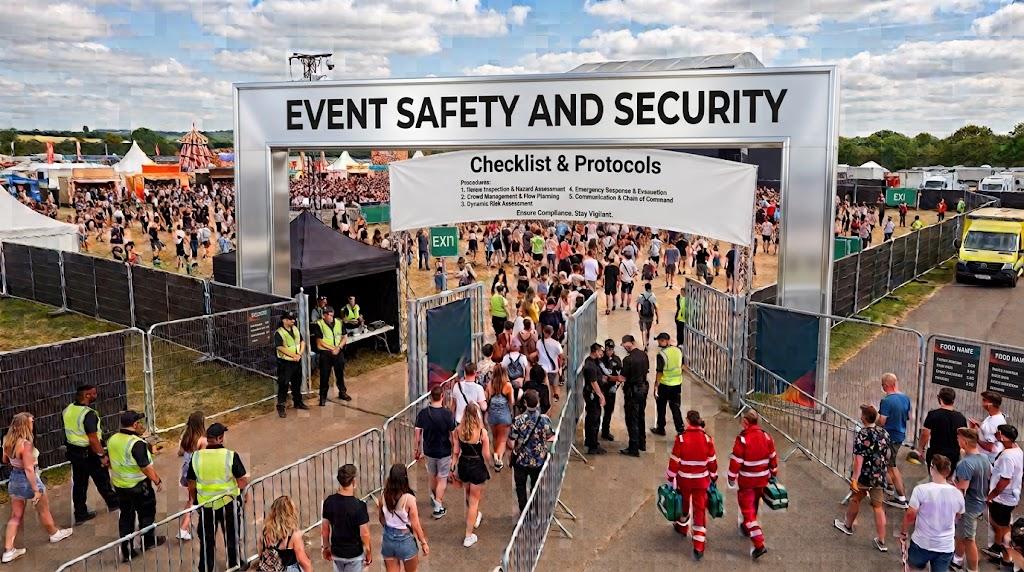
A single unanchored stage speaker, an unexpected flash flood, or an overcrowded exit bottleneck can transform a highly anticipated event into a massive liability overnight. When hosting an audience, the line between a successful gathering and a public relations disaster rests entirely on preparation. Managing a venue demands a proactive approach to identifying hazards before the first attendee arrives.
Securing a venue requires analyzing every moving part, from temporary electrical grids to crowd dynamics. A structured evaluation helps organizers anticipate chaos, protect human lives, and shield themselves from devastating litigation.
The Pillars of Event Safety and Security
A comprehensive approach to safeguarding an environment coordinates physical logistics, crowd management, and emergency protocols. True security is invisible to the attendee but foundational to the operation.
Identifying Asset Vulnerabilities
Every venue possesses distinct vulnerabilities. An outdoor music festival faces severe weather risks and perimeter breaches, while a corporate convention in a high-rise faces elevator bottlenecks and complex evacuation routes.
Organizers must map the physical layout to pinpoint high-risk zones. Key areas include loading docks, temporary staging, heavy machinery paths, and high-foot-traffic corridors near concession areas.
Managing Crowd Dynamics
Crowd behavior shifts rapidly based on density, alcohol consumption, and environmental stressors like heat or long wait times.
-
Flow control: Establish clear directional signage and physical barriers to prevent cross-traffic congestion.
-
Capacity limits: Strictly enforce local fire codes regarding maximum room occupancy.
-
Ingress and egress: Design entrances and exits to handle peak volume without causing dangerous surges.
Vendor and Contractor Compliance
Third-party contractors introduce variable risks onto a site. Food trucks bring combustible gas tanks, AV teams hang heavy rigging overhead, and security personnel require clear rules of engagement.
Every vendor must submit valid certificates of insurance, proof of equipment testing, and specialized certifications before setting foot on the property.
Deploying a Practical Risk Assessment Framework
Mitigating hazards requires moving away from guesswork and adopting a repeatable system. Relying on a standardized risk assessment form for events ensures that no critical vulnerability is overlooked during the frantic buildup to opening day.
For teams looking to streamline their paperwork with vetted, industry-compliant templates, utilizing professional resources like Safety Docs provides an immediate operational advantage. Having a pre-structured document allows managers to focus on finding hazards rather than formatting spreadsheets.
Step 1: Hazard Identification
Walk the venue to spot anything with the potential to cause harm. Divide hazards into distinct categories to maintain organization:
-
Physical hazards: Trip hazards from exposed cabling, unstable scaffolding, or poorly lit stairwells.
-
Technological hazards: Power grid failures, structural AV collapse, or cyber-disruptions to digital ticketing systems.
-
Environmental hazards: Extreme heat index, lightning strikes, or sudden gale-force winds affecting temporary outdoor structures.
Step 2: Evaluation of Risk Levels
Not every hazard carries the same weight. Evaluate each identified risk by crossing its probability of occurrence against the severity of its potential impact.
A high-probability, high-severity item such as an indoor pyrotechnic display without an automated suppression system demands immediate elimination or alternative planning. A low-probability, low-severity item can simply be monitored.
Step 3: Implementing Control Measures
Apply the hierarchy of controls to reduce risk to an acceptable level. Elimination is the goal, but mitigation is often the practical reality.
-
Substitution: Replace open-flame heaters with electric radiant heaters in enclosed tents.
-
Engineering controls: Install heavy-duty cable ramps over all pedestrian walkways.
-
Administrative controls: Train staff on specific radio channels for medical emergencies and deploy clear exit lighting.
Integrating Medical and Emergency Response Plans
A risk matrix is only half the battle. When an incident occurs, response times dictate the outcome. A chaotic scene can be managed effectively if a clear chain of command exists.
Medical Triaging and Layout
Large crowds require on-site medical infrastructure. Small events might rely on designated first-aid rooms, whereas major festivals require dedicated field hospitals.
-
Ambulance corridors: Keep designated vehicle lanes completely clear of pedestrian traffic and vendor parking.
-
Egress mapping: Ensure local emergency services have up-to-date digital layouts of the venue prior to the event.
-
Staff training: Every worker must know the exact location of automated external defibrillators (AEDs) and trauma kits.
Weather Contingency Triggers
Outdoor gatherings require clear, non-negotiable thresholds for suspension or cancellation. Waiting for a storm to hit before making a decision leads to panic.
-
Wind thresholds: Define the exact wind speed (e.g., 35 mph) at which temporary stages must be cleared and lowered.
-
Lightning radius: Establish a rule where any strike within an 8-mile radius triggers an immediate evacuation to hard-sided structures or vehicles.
Preserving the Safety Legacy
The work does not end when the crowd disperses. True operational resilience is built on post-event analysis. Documenting incidents, near-misses, and crowd friction points provides the empirical data needed to improve future planning. Reviewing security footage and staff feedback creates a continuous loop of operational refinement.
Prioritizing event safety and security protects your brand, preserves your financial margins, and ensures that attendees return home safely. Dedicating time to comprehensive risk profiling distinguishes amateur organizers from industry leaders.
Frequently Asked Questions
Q1: Who is legally responsible for filling out the event risk assessment?
The primary event organizer holds legal responsibility, though they frequently collaborate with venue managers and specialized safety officers to complete it.
Q2: How far in advance should a risk assessment be completed?
Initial assessments should occur during initial planning phases, with a final dynamic review completed on-site 24 to 48 hours before doors open.
Q3: Do small corporate meetings require a formal safety assessment?
Yes. Any gathering presents risks like medical emergencies or fire evacuations, though the scale of the document will be smaller than a public festival.
Q4: What is a "near-miss" and why should it be documented?
A near-miss is an incident that did not cause injury or damage but had the potential to do so. Documenting them prevents future accidents.
Q5: How often should event staff be briefed on emergency protocols?
Staff must receive a dedicated safety briefing immediately before their shift on the day of the event, ensuring the details remain fresh.

 Bangla