


Accessibility Testing Examples with Real Case Studies
With more than one billion people worldwide living with disabilities, making digital experiences inclusive is no longer a nice-to-have—it’s a fundamental requirement. Unfortunately, many companies still overlook accessibility testing until they face legal action or watch potential customers walk away. This in-depth article explores practical accessibility testing examples, proven strategies, and insightful real-world case studies that highlight both expensive mistakes and impressive wins.
Whether you’re a developer, quality assurance specialist, product owner, or executive, you’ll gain clear, actionable knowledge to strengthen accessibility testing practices in your organization and create truly inclusive digital products.
Understanding Accessibility Testing and Its Growing Importance
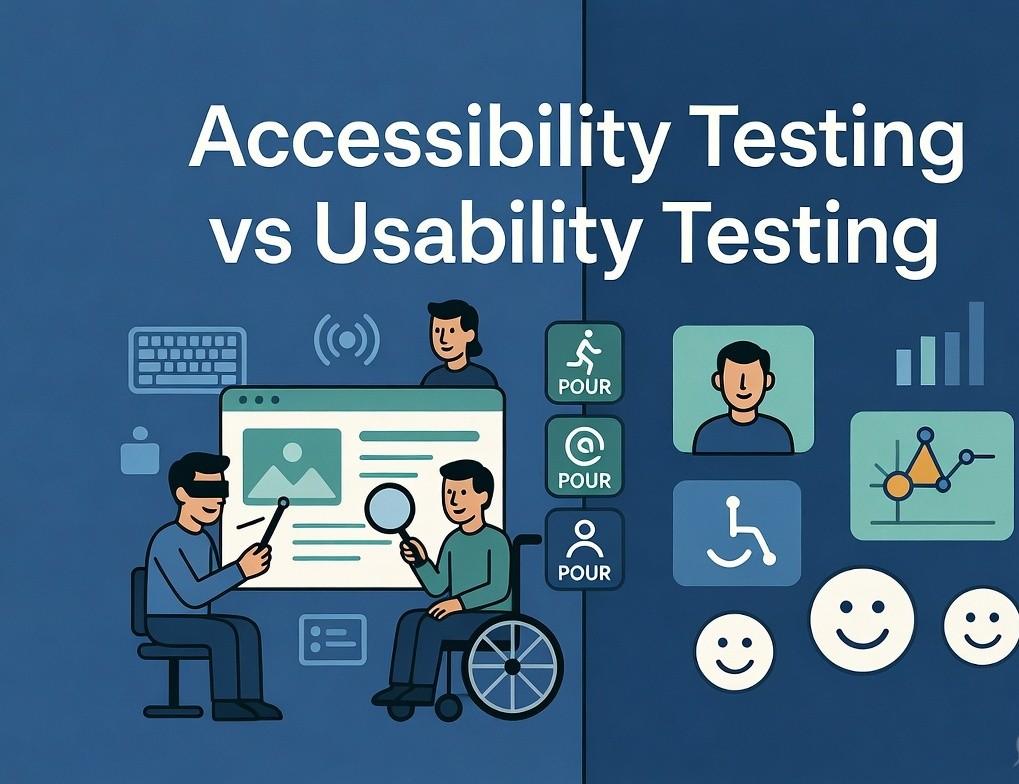
Accessibility testing is the process of evaluating websites, mobile apps, software, and digital content to ensure they can be used comfortably by individuals with visual, auditory, motor, or cognitive impairments. It follows the internationally recognized Web Content Accessibility Guidelines (WCAG) 2.2, built around four core principles: Perceivable, Operable, Understandable, and Robust—commonly known as POUR.
The advantages of investing in strong performance testing go far beyond compliance. Organizations see improved SEO rankings, better user engagement, higher conversion rates, lower long-term maintenance costs, and significantly reduced legal risks. In many countries, laws such as the Americans with Disabilities Act (ADA) in the US, the European Accessibility Act, and India’s Rights of Persons with Disabilities Act make accessibility testing essential for avoiding penalties.
Moreover, people with disabilities and their networks represent a massive economic force, controlling roughly $7 trillion in global disposable income. Neglecting accessibility testing means missing out on this vast audience and damaging brand trust in the process.
Everyday Accessibility Issues and How to Test Them
Effective accessibility testing reveals problems that automated tools alone often miss. Here are some of the most common barriers along with straightforward testing examples:
- Poor or Missing Alternative Text for Images Screen readers rely on alt text to describe visuals to blind or low-vision users. Testing example: Navigate a product gallery using NVDA or JAWS. If images are announced simply as “graphic” or skipped entirely, it violates WCAG Success Criterion 1.1.1. Solution: Write meaningful descriptions such as “Black wireless headphones with noise-cancelling features placed on a desk.”
- Low Color Contrast Text that doesn’t meet minimum contrast ratios becomes difficult or impossible to read for many users. Testing example: Use the WebAIM Contrast Checker or built-in browser developer tools. Light text on a light background frequently fails the 4.5:1 ratio requirement. Fix involves adjusting colors to achieve at least 4.5:1 (or 7:1 for enhanced accessibility).
- Keyboard-Only Navigation Problems Users with motor disabilities often rely solely on keyboards or switches. Testing example: Try tabbing through every page and interactive element without using a mouse. Disappearing focus indicators or trapped focus states break WCAG 2.1.1 and 2.4.3. Add clear focus styles and ensure logical tab order.
- Incorrect or Missing ARIA Attributes Custom-built components like menus, sliders, or modals confuse assistive technologies without proper roles and labels. Testing example: Run axe DevTools and look for missing role or aria-label attributes on non-semantic elements.
- Unclear Form Labels and Error Messages Forms without proper associations or helpful feedback create frustration. Testing example: Complete a form using VoiceOver on iOS and check whether error alerts are properly announced.
- Lack of Captions and Transcripts for Media Videos and audio content without accurate captions exclude deaf and hard-of-hearing users. Testing example: Review auto-generated captions for accuracy and completeness, then verify against WCAG 1.2.2 requirements.
These examples underscore why comprehensive accessibility testing should blend automated scanning, manual checks, and testing with real assistive technologies.
Lessons from Failure: Notable Accessibility Lawsuits
Several high-profile cases demonstrate the heavy cost of skipping thorough accessibility testing:
Domino’s Pizza Lawsuit (2016–2022) Blind customer Guillermo Robles was unable to order food through Domino’s website and mobile app using screen-reading software. The platform suffered from missing labels, poor keyboard support, and inadequate alt text. After years of court battles, Domino’s faced significant legal expenses and was required to achieve WCAG compliance.
Netflix Captioning Lawsuit (2012) The National Association of the Deaf sued Netflix for failing to provide closed captions on its streaming library. The settlement mandated full captioning and included a substantial payment. Today, Netflix is recognized for its strong commitment to accessible media.
Target Corporation Case (2006) A blind shopper sued Target after being unable to complete purchases online. The company eventually settled for $6 million and invested heavily in site-wide improvements, including better keyboard navigation and screen-reader compatibility.
Winn-Dixie Supermarket (2017) In the first ADA website accessibility trial to reach verdict, blind plaintiff Juan Carlos Gil successfully argued that the grocery chain’s inaccessible website blocked access to essential services like coupons and prescriptions.
These cases serve as powerful reminders that inadequate accessibility testing can lead to costly litigation, negative publicity, and long-term brand damage.
Inspiring Success Stories: The Rewards of Strong Accessibility Testing
Fortunately, many organizations have turned accessibility testing into a strategic advantage:
Reverie Retreat (Luxury Wellness Brand) After conducting thorough accessibility testing aligned with WCAG 2.2 AA standards—including keyboard navigation, contrast audits, and screen-reader reviews—the retreat saw website traffic increase dramatically. Direct bookings rose sharply, reducing reliance on booking platforms and delivering strong business growth while ensuring legal protection.
Legal & General (UK Financial Services) Following a detailed accessibility audit and remediation, the company experienced a 25% jump in organic search traffic within the first day, eventually reaching 50% growth. Conversion rates doubled within three months, delivering a full return on investment in under a year. Maintenance costs fell by 66%, and accessibility-related customer complaints vanished.
Tesco (UK Retail Giant) By partnering with the Royal National Institute of Blind People (RNIB) and performing in-depth accessibility testing, Tesco significantly improved its online grocery platform. Enhancements in form labeling, navigation, and screen-reader support led to greater customer satisfaction and a stronger competitive position in e-commerce.
Georgia State Digital Platform In 2015, Georgia’s government websites underwent comprehensive accessibility testing against WCAG 2.0 AA. Improvements to contrast, typography, semantic structure, and keyboard functionality helped bring all public agency sites into compliance, creating a model for government digital services.
Additional positive examples include Apple’s continued enhancements to VoiceOver, Microsoft’s inclusive hardware solutions like the Xbox Adaptive Controller, and retailers such as John Lewis that regularly involve disabled users in testing through specialized platforms.
Recommended Tools and Proven Best Practices for Accessibility Testing
To perform effective accessibility testing, organizations should use a combination of tools and follow structured practices:
Key Tools
- Automated scanners: axe DevTools, WAVE, Google Lighthouse
- Screen readers: NVDA, JAWS, VoiceOver, TalkBack
- Color contrast checkers: WebAIM Contrast Checker, Stark for design tools
- User testing services: Fable, UserTesting with disabled testers
Best Practices
- Integrate accessibility testing early in the design and development process (“shift left”).
- Use a balanced approach: roughly 30% automated checks and 70% manual plus user validation.
- Always test on actual devices with real assistive technologies.
- Publish clear accessibility statements on your website.
- Provide regular training for designers, developers, and content teams.
- Conduct full audits at least quarterly.
- Focus first on high-impact fixes such as keyboard access, color contrast, and proper labeling.
Final Thoughts: Turn Accessibility Testing into a Business Strength
Accessibility testing goes well beyond meeting legal standards—it’s about designing superior digital experiences that work for all users. The case studies shared here clearly show that companies ignoring accessibility testing risk expensive consequences, while those who prioritize it enjoy measurable gains in traffic, conversions, customer loyalty, and market reach.
Begin your journey today: Run an automated scan on your site, test keyboard navigation manually, and consider a professional accessibility audit. The effort invested in accessibility testing delivers returns that benefit your users, your reputation, and your bottom line for years to come.

 Bangla